

Japan Hip-Hop in Tokyo: Culture, Music & Street Influence
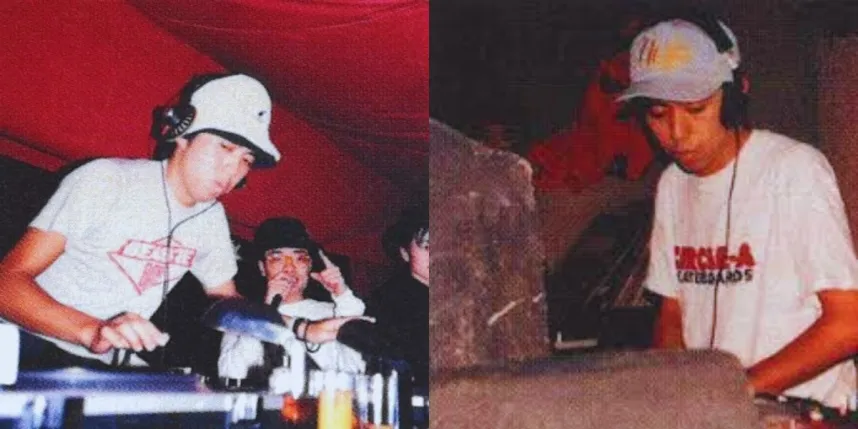
The first week of January marked an exciting beginning for the Tokyo hip-hop scene. As 2026 kicked off, Japanese hip-hop fans were treated to live performances, underground events, new music releases, and rising artist moments that showed the culture is stronger than ever. From Shibuya to Shinjuku, Tokyo hip-hop proved it’s not slowing down anytime soon.
Tokyo has always been a unique hub for hip-hop in Asia. While the sound is influenced by American rap, local artists bring their own flavor through Japanese language, fashion, and cultural references. Week 1 of January highlighted how Tokyo hip-hop continues to evolve while staying connected to its roots.
Live Performances Set the Tone
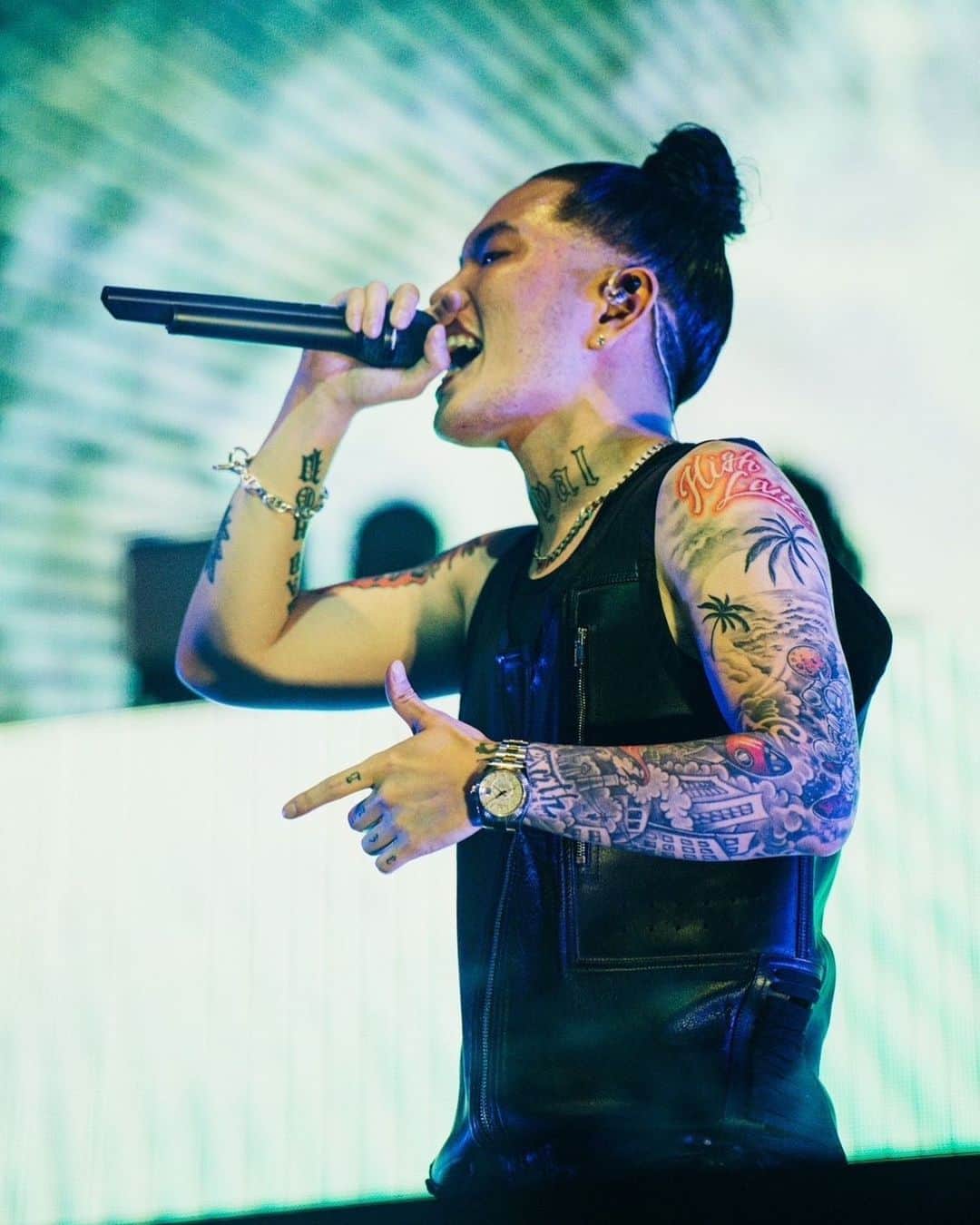
Small venues across the city hosted packed shows during the first week of the year. Local rappers performed for loyal fans who came out despite the cold weather. These shows weren’t about flashy visuals or big budgets — they were about bars, energy, and real connection.
In Shibuya, a late-night rap showcase featured multiple underground artists delivering sharp verses and crowd-hyping performances. The atmosphere felt raw and authentic, reminding everyone why Tokyo hip-hop thrives in intimate spaces.
Underground Cyphers & Freestyles
Street cyphers were another major highlight of Week 1. Groups of MCs gathered in popular spots like Harajuku and near Shibuya Crossing to freestyle and test their skills. These sessions attracted both curious passersby and hardcore hip-hop fans.
Freestyle culture is an important part of Tokyo hip-hop. It allows artists to earn respect through talent rather than social media popularity. Some of the best moments from these cyphers were recorded and shared online, helping Japanese hip-hop reach a wider audience.
New Music Drops
Several Tokyo rappers started the year with fresh releases. From trap-inspired tracks to boom-bap joints, the variety showed how diverse Japanese hip-hop has become.
Some artists focused on motivational themes, while others explored personal struggles, ambition, and city life. These songs reflected what it means to chase dreams in one of the world’s busiest cities.
Streaming numbers for local Japanese hip-hop tracks also saw a boost in the first week, proving fans were ready for new music.
Fashion & Street Culture
Tokyo hip-hop isn’t just about music — fashion plays a huge role. During Week 1, artists and fans showed up in bold streetwear fits, blending hip-hop style with Japanese trends.
Oversized hoodies, graphic tees, vintage sneakers, and custom accessories dominated the scene. This mix of global hip-hop fashion and Tokyo street culture gives Japanese hip-hop its own identity.
Dance, DJing & Graffiti
Hip-hop in Tokyo still respects the culture’s original elements. Breakdancers performed in public spaces, DJs spun vinyl at underground events, and graffiti art popped up around the city.
These creative expressions remind everyone that Tokyo hip-hop is more than just rap music — it’s a full cultural movement.
Rising Artists Gaining Attention
Week 1 also introduced fans to new names. Emerging rappers gained attention through live shows, social media freestyles, and collaborations.
Many of these artists represent the next generation of Tokyo hip-hop — confident, creative, and unafraid to experiment with sound. Their rise shows how Japanese hip-hop continues to grow with fresh voices.
Social Media Impact
TikTok, Instagram, and YouTube played a major role in spreading Tokyo hip-hop energy during the first week of the year. Short performance clips, behind-the-scenes content, and freestyle videos helped artists reach global audiences.
Some clips from Tokyo rap sessions went viral, bringing international attention to the city’s underground scene.
What Week 1 Tells Us About 2026
The first week of January proved that Tokyo hip-hop is entering 2026 with strong momentum. Artists are staying true to the culture while embracing new sounds, styles, and platforms.
Fans can expect more music, more events, and more creative expression as the year continues.
Tokyo hip-hop remains one of the most exciting scenes in Asia — full of passion, diversity, and originality.