

MAJ Week Aftershock: Tokyo Hip-Hop Between Recognition and Resistance
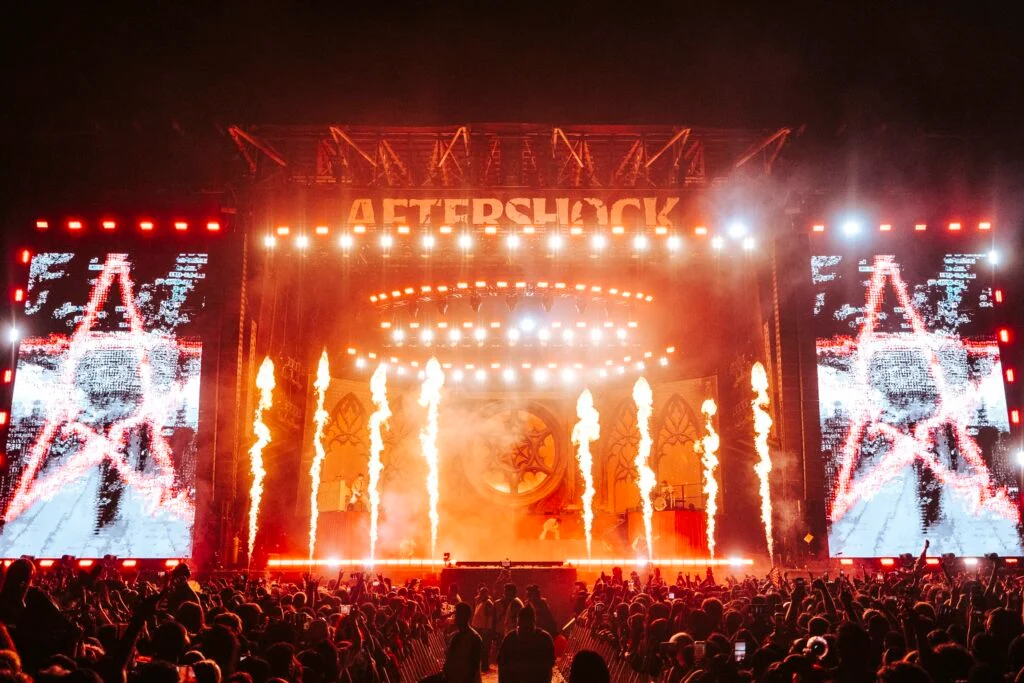
It seems that at the current moment the Tokyo hip-hop scene is undergoing a profound transformation following the MAJ Week schedule and the “THE SUCCESSOR” hip-hop awards ceremony. While it is clear that this event is aimed at promoting Japanese rap culture, it also raised a question about the role of hip-hop in today’s world and what effect it has on the identity of the movement.
At first glance, these transformations seem to be beneficial for the scene. There is no denying the fact that hip-hop receives increasing attention from record labels, gets funding, and starts getting the status of an officially recognized cultural movement.
Hip-Hop Goes Mainstream
After MAJ Week and such events like “THE SUCCESSOR,” there is an obvious trend which can be seen in Japan’s music life – hip-hop is becoming a core element of official music industry structures.
The record labels, organizers, and media start perceiving the movement as:
An essential part of national music programming
A cultural movement in the structure of various awards ceremonies
A musical genre appropriate for big performances
However, record labels, concert organizers, and media outlets are now treating hip-hop as:
A key element in national music programs
A formalized cultural category in award ceremonies
A musical genre that can be featured at high-profile concerts
In turn, the trend has generated an opening for more collaborations and performances for the representatives of this genre. It allows more and more rappers to perform on bigger stages with increased budget support and intergenerational collaborations.
This development has been highly anticipated by many professionals within the industry as the culture in question started to form in underground scenes and clubs for many years before gaining formal recognition in the country.
At the same time, the emergence of such trends brings certain downsides.
Cross-Generational Collaboration in Hip-Hop Music Industry
One of the characteristic tendencies observed in this period includes the collaboration between veteran performers of the genre and young artists. MAJ Week, in particular, included several collaborations and performances intended to show the continuity of the Japanese rap history.
The collaborations include:
Performances of veteran MCs together with new wave of trap and drill artists
The work of producers that incorporates the influences of classic boom-bap culture in their tracks
Concerts that combine legacy and popular performers
Nevertheless, the representatives of hip-hop are treated by record labels, concert organizations, and media as:
An important part of national music program
A proper cultural genre in award ceremonies
A musical genre that may be presented during prestigious concerts
Therefore, this tendency opens up some opportunities for the performers of this culture in terms of more cooperation and performance events. Now, more and more rappers have a chance to appear on larger stages with larger budget support and intergenerational cooperation.
Such trend was expected by many professionals in the field since the culture itself originated from underground scenes for many years prior to becoming officially recognized in Japan.
Meanwhile, there are certain disadvantages to these trends.
Collaboration in Cross-Generational Rap Music in Japan
Among the tendencies worth mentioning is the collaboration between experienced artists of hip-hop and younger performers. For example, at MAJ Week there were some examples of performance aimed at demonstrating the historical continuity of rap culture in Japan.
These performances included:
Collaborations of older MCs with newer generations of trap and drill artists
Producers that create tracks combining classical boom-bap influences
Concert performances that unite legacy artists and popular performers
Two Hip-Hop Worlds in Tokyo
The end of the era described above resulted in a growing rift between two parallel and increasingly separate hip-hop communities in Tokyo.
Official Hip-Hop
This type of hip-hop can be found in official settings:
Performances during MAJ Week ceremonies
Concerts at big venues such as Zepp DiverCity
Collaborations supported by record labels
Stories about the “history of Japanese hip-hop” told through media
These manifestations are highly professional, aimed at large audiences and geared towards giving artists visibility and security.
Street Hip-Hop
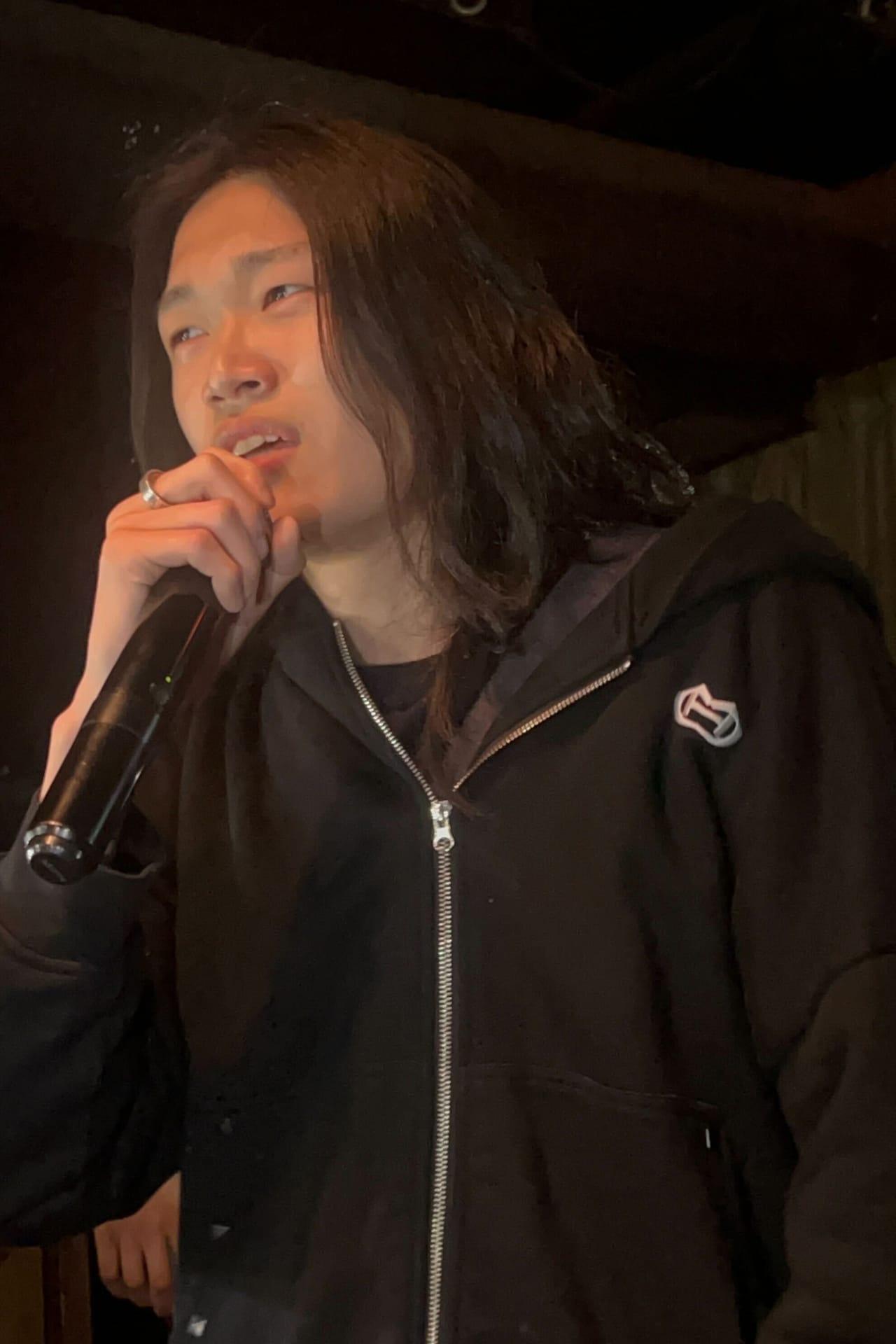
In contrast, street hip-hop is prevalent in alternative venues:
Small clubs in Shibuya and Shinjuku districts
Freestyle sessions and rap battles
Experimentation with trap, drill, rage music, etc.
Independent production and promotion
This kind of hip-hop puts emphasis on energy and creativity over legacy.
Both styles of hip-hop thrive today. Both are becoming more popular. Yet they are evolving along their own trajectories now.