Japanese Hip-Hop Celebrates More Than 40 Years of Culture at THE SUCCESSOR in Tokyo
By Eli Jesse
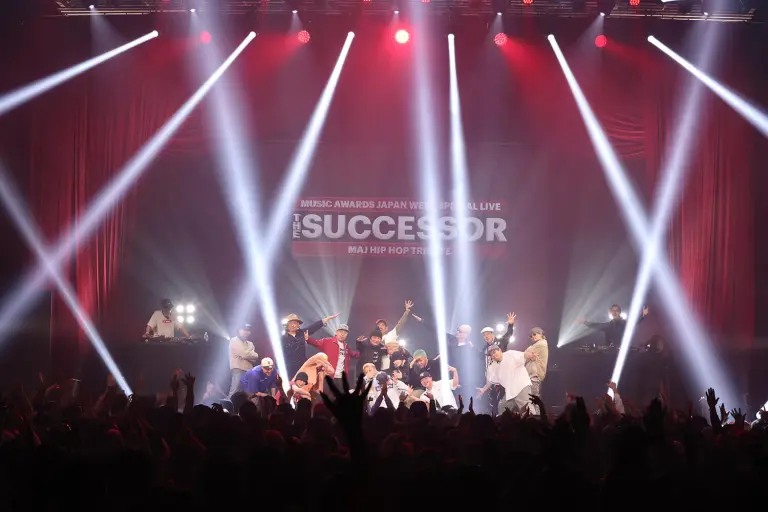
For one night, the story of Japanese hip-hop unfolded on a single stage.
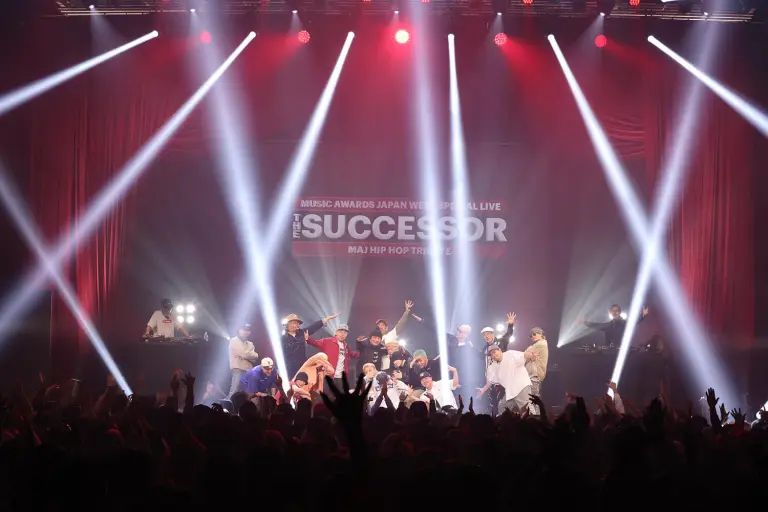
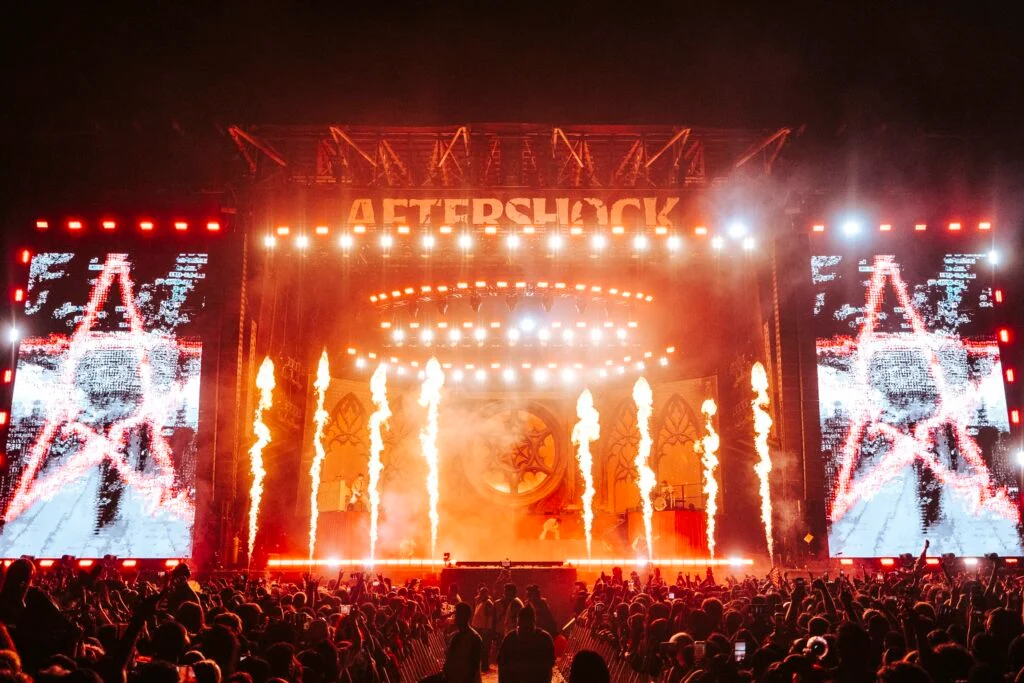
Inside Zepp DiverCity in Tokyo, artists, DJs, dancers, graffiti creators, and fans gathered for THE SUCCESSOR – MAJ HIP HOP TRIBUTE, a special event dedicated to celebrating more than four decades of hip-hop culture in Japan. While concerts happen every week in Tokyo, this felt different. It wasn’t simply about promoting new music or selling tickets. It was about recognizing a movement that has spent over 40 years shaping lives, influencing fashion, inspiring creativity, and building communities across the country.
The atmosphere reflected that purpose. Fans from different generations filled the venue, some having witnessed the early days of Japanese hip-hop and others discovering the culture through today’s streaming era. Together, they celebrated a genre that has transformed from a niche underground movement into one of Japan’s most influential cultural forces.
From Imported Culture to Japanese Identity
When hip-hop first arrived in Japan during the early 1980s, few could have predicted what it would become.
Inspired by music, dance, and street culture emerging from New York City, Japanese artists began experimenting with rap, DJing, breakdancing, and graffiti. What started as admiration quickly evolved into something uniquely Japanese.
Over the decades, local artists developed their own sounds, stories, and styles. Instead of simply copying American trends, they built a scene that reflected Japanese experiences and perspectives. The result is a thriving culture that now stands on its own while remaining connected to hip-hop’s global roots.
That journey was a central theme throughout THE SUCCESSOR. Organizers used the event not only to entertain but also to remind audiences how much work and dedication went into building the culture they enjoy today.
A Rare Gathering of Generations
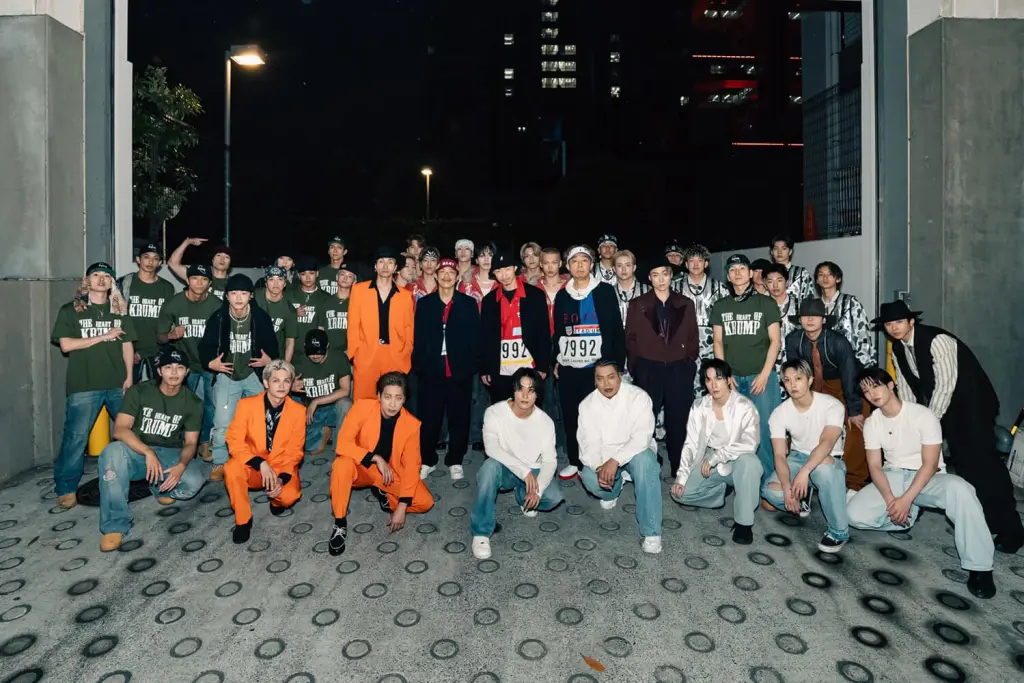
One of the most memorable aspects of the event was seeing multiple generations of artists share the same platform.
Veteran names that helped define Japanese hip-hop stood alongside modern stars currently pushing the genre forward. In many music scenes, there can be tension between older and younger generations. At THE SUCCESSOR, the relationship felt more like a passing of knowledge than a competition.
The event’s title carried symbolic meaning. A successor doesn’t erase the past. A successor builds upon it.
That idea was visible throughout the evening as pioneers and rising talents celebrated together. Fans were reminded that today’s success stories exist because previous generations spent years developing the foundations of the scene.
For younger attendees, it was an opportunity to learn about the artists and innovators who helped create the Japanese hip-hop landscape they now take part in.
More Than Just Rap Music
One of the strongest messages from THE SUCCESSOR was that hip-hop is much bigger than rap.
The event highlighted all four traditional pillars of hip-hop culture: MCing, DJing, breakdancing, and graffiti art. Each element received attention, reminding audiences that hip-hop has always been a complete cultural movement rather than a single style of music.
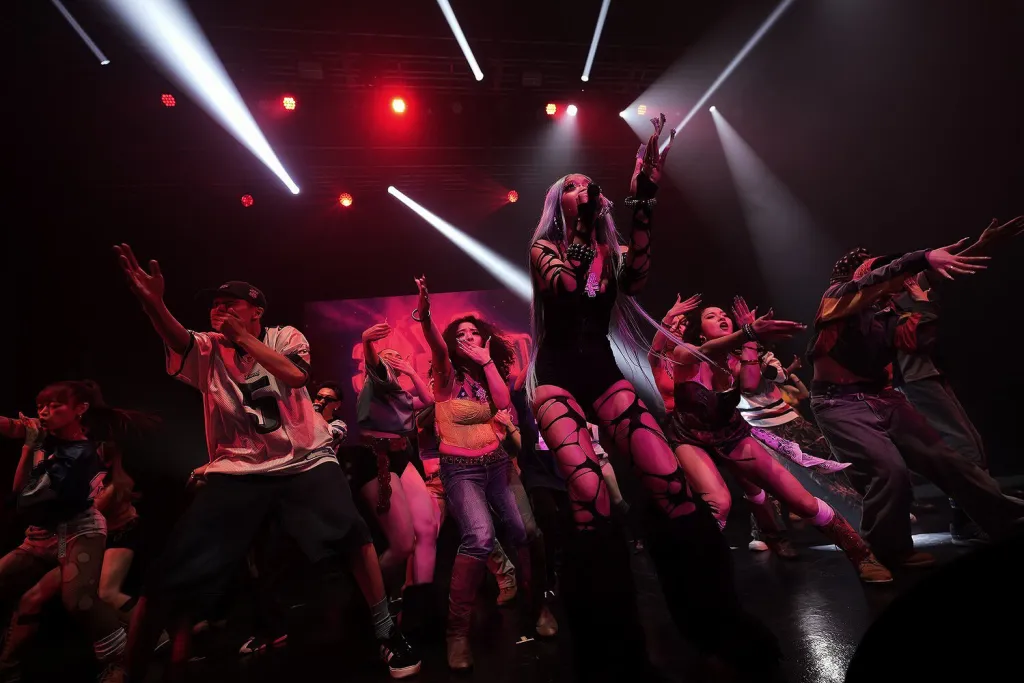
Dancers brought energy and athleticism to the stage, demonstrating why Japanese breaking culture has earned international respect. DJs showcased technical skills that have made Japan home to some of the world’s most admired turntablists. Graffiti artists displayed work that reflected decades of visual creativity within the culture.
Together, these elements painted a complete picture of what hip-hop represents.
For many younger fans who primarily experience hip-hop through streaming platforms, the event served as a reminder of the culture’s deeper roots and broader identity.
Why This Moment Matters
The timing of THE SUCCESSOR feels significant.
Japanese hip-hop is currently experiencing one of its most visible and internationally connected periods. Streaming services have made local artists accessible to listeners around the world. International collaborations are becoming more common. Social media has allowed emerging artists to build audiences far beyond their hometowns.
At the same time, conversations about preserving hip-hop’s history have become increasingly important.
As the genre grows, many artists and industry figures believe it is essential to document the contributions of pioneers who helped establish the culture. Events like THE SUCCESSOR help ensure that those stories are not forgotten.
The celebration demonstrated that honoring history and embracing innovation do not have to be opposing ideas. In fact, they often strengthen one another.
The Future Looks Bright
Perhaps the most encouraging takeaway from the event was the sense of optimism surrounding Japanese hip-hop’s future.
The culture continues to evolve while maintaining the values that helped it grow in the first place: creativity, authenticity, community, and self-expression.
New artists are experimenting with fresh sounds. Producers are blending influences from around the world. Independent creators are finding audiences without relying solely on traditional industry pathways.
Yet despite all the changes, the core spirit of hip-hop remains recognizable.
That balance between tradition and innovation was visible throughout THE SUCCESSOR. Every performance, story, and tribute pointed toward the same conclusion: Japanese hip-hop is not standing still.
More than 40 years after its arrival in Japan, the culture continues to inspire new generations while honoring those who came before.
For a few hours inside a packed Tokyo venue, the past, present, and future of Japanese hip-hop shared the same space. Judging by the energy in the room, the next chapter may be just as exciting as the first.