



Japanese Hip-Hop Legends Unite With a New Generation: The Movement Connecting Rap’s Past and Future
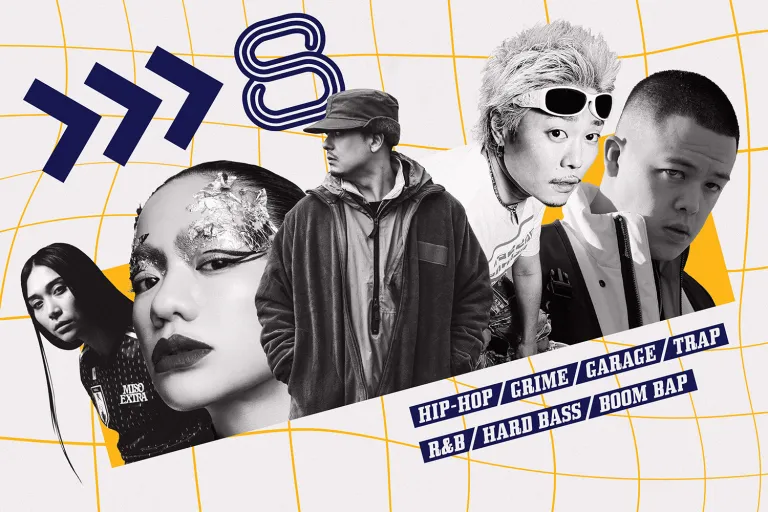
Japanese hip-hop has never been stronger. From sold-out festivals and streaming success to global recognition and viral social media moments, the genre is experiencing one of the most exciting periods in its history. Yet while much attention is focused on rising stars and chart-topping newcomers, another important story is unfolding behind the scenes.
Veteran artists who helped build Japanese rap culture are increasingly working alongside a younger generation of performers, creating a bridge between hip-hop’s roots and its future.
Recent industry events and collaborative initiatives featuring pioneering groups such as RHYMESTER and King Giddra alongside modern artists have sparked widespread discussion across the Japanese rap community. Fans and industry observers alike see these efforts as crucial for preserving hip-hop’s history while ensuring the next generation understands the culture’s foundations.
At a time when music trends move faster than ever, Japan’s hip-hop scene is demonstrating that progress and tradition can coexist.
The Pioneers Who Built Japanese Hip-Hop
Before Japanese rap became a mainstream force, artists such as RHYMESTER and King Giddra were laying the groundwork for what would eventually become one of Asia’s most influential hip-hop movements.
During the 1990s and early 2000s, Japanese rap was still fighting for legitimacy. Mainstream media often misunderstood the culture, and many artists struggled to gain widespread recognition. Despite these challenges, pioneering groups continued creating music that reflected the realities of Japanese life while embracing hip-hop’s global spirit.
King Giddra became known for politically conscious lyrics, social commentary, and an uncompromising commitment to authenticity. Their work demonstrated that Japanese rap could be both culturally relevant and artistically powerful.
RHYMESTER, meanwhile, established themselves as masters of lyricism, performance, and longevity. Their influence extends far beyond music, helping shape discussions about hip-hop culture, artistic integrity, and creative independence.
Without these pioneers, today’s thriving Japanese rap scene might not exist.
A New Generation Takes Center Stage
Fast forward to 2026, and Japanese hip-hop looks dramatically different.
Artists such as Kaneee, LANA, Awich, Yuki Chiba, Watson, and other rising stars are reaching audiences that previous generations could only dream about. Streaming platforms, social media, and international exposure have transformed the landscape.
Many younger artists are now able to build large fanbases quickly, release music independently, and connect directly with listeners across Japan and beyond.
This new environment has created enormous opportunities.
However, it has also raised important questions about cultural preservation.
As younger fans enter the scene through viral songs and festival performances, some worry that the history of Japanese hip-hop could be overlooked.
That concern has helped fuel efforts to bring veteran artists and emerging stars together.
Why The Connection Matters
Hip-hop has always been more than music.
From its origins in the Bronx to its expansion across the globe, hip-hop culture has emphasized community, storytelling, and respect for those who came before.
In Japan, many industry leaders believe maintaining those values is essential for the genre’s long-term health.
When younger artists share stages with veteran performers, audiences gain an opportunity to understand the lineage of the culture. They begin to see how today’s sounds evolved from earlier movements and how modern success was built upon decades of work by previous generations.
These connections help prevent hip-hop from becoming disconnected from its roots.
They also encourage younger artists to view themselves as part of a larger story rather than isolated individuals chasing success.
Learning Beyond Music
One of the most valuable aspects of these cross-generational relationships is the transfer of knowledge.
Veteran artists possess decades of experience navigating the music industry, maintaining careers, and adapting to changing trends.
Many younger artists are talented performers but face challenges that previous generations have already encountered.
By interacting with pioneers, they gain insights into longevity, professionalism, and artistic growth.
This mentorship extends beyond recording music.
Topics such as touring, branding, business management, media relations, and creative independence become part of the conversation.
As Japanese hip-hop becomes increasingly commercialized, this guidance is becoming more important than ever.
Festivals Are Creating New Opportunities
Major festivals have become one of the most effective spaces for connecting generations.
Events across Japan are increasingly featuring lineups that combine legendary acts with emerging performers. These festivals allow longtime fans and younger listeners to share the same experience while celebrating different eras of Japanese rap.
For younger audiences, seeing RHYMESTER perform alongside contemporary stars provides context that streaming playlists alone cannot offer.
For veteran fans, these events showcase the evolution of the culture while proving that Japanese hip-hop remains vibrant and innovative.
The result is a stronger sense of community across age groups.
Instead of competing for attention, different generations are contributing to a shared cultural moment.
Preserving Hip-Hop History
One challenge facing every music genre is preserving its history.
As technology changes and new trends emerge, important stories can easily be forgotten.
Japanese hip-hop is now old enough to have multiple generations of artists, fans, and cultural milestones. This creates a responsibility to document and celebrate the achievements that helped shape the scene.
Industry initiatives focused on education, historical exhibitions, panel discussions, and collaborative performances are helping address this issue.
These efforts ensure that younger audiences understand the significance of foundational artists while encouraging continued respect for the culture’s origins.
Preservation is not about living in the past.
It is about understanding the journey that made the present possible.
The Influence on Today’s Artists
Many of Japan’s current stars openly acknowledge the impact of older generations.
Artists frequently reference classic albums, legendary performances, and influential pioneers when discussing their inspirations.
This respect demonstrates the continuing relevance of veteran artists.
Even as musical styles evolve, the values that helped establish Japanese hip-hop remain influential.
Authenticity, lyrical skill, cultural awareness, and community engagement continue to shape the expectations of fans and artists alike.
The strongest contemporary performers are often those who successfully balance innovation with respect for tradition.
Building a Stronger Future
The relationship between old-school and new-school artists is ultimately about sustainability.
Genres remain healthy when knowledge is passed from one generation to the next.
Japanese hip-hop has reached a point where it can benefit from decades of accumulated experience while embracing fresh ideas and new perspectives.
Veteran artists bring wisdom, history, and cultural credibility.
Younger artists bring energy, innovation, and access to new audiences.
Together, they create an ecosystem that is stronger than either group could achieve alone.
This collaboration is helping ensure that Japanese hip-hop continues to grow without losing its identity.
Global Lessons From Japan’s Hip-Hop Scene
Around the world, many hip-hop communities struggle with tensions between generations.
Debates about authenticity, commercial success, and artistic direction often create divisions between older and younger artists.
Japan’s approach offers an alternative model.
Rather than framing different generations as competitors, the scene is increasingly treating them as partners in the same cultural movement.
This mindset encourages mutual respect while creating opportunities for collaboration and growth.
As Japanese hip-hop gains greater international recognition, this balance between heritage and innovation may become one of its defining strengths.
Final Thoughts
The recent efforts bringing together RHYMESTER, King Giddra, and a new generation of Japanese rap artists represent far more than simple collaborations.
They symbolize a commitment to preserving culture while embracing progress.
Japanese hip-hop’s future will undoubtedly be shaped by emerging stars, new sounds, and evolving technologies. Yet that future becomes stronger when connected to the pioneers who helped build the foundation.
By creating meaningful connections between generations, Japan’s rap community is demonstrating that honoring history does not limit innovation—it strengthens it.
As the genre continues expanding both domestically and internationally, the bridge between old-school and new-school artists may prove to be one of the most important developments in Japanese hip-hop today.