

Tokyo Hip-Hop Rising MCs and Underground Freestyle Culture

Tokyo’s hip-hop scene is undergoing a quiet but powerful transformation driven by a new generation of MCs emerging from cyphers, underground venues, and digital platforms. While mainstream Japanese hip-hop continues to thrive in clubs and streaming charts, the real creative evolution is happening in freestyle spaces where raw talent is tested in real time.
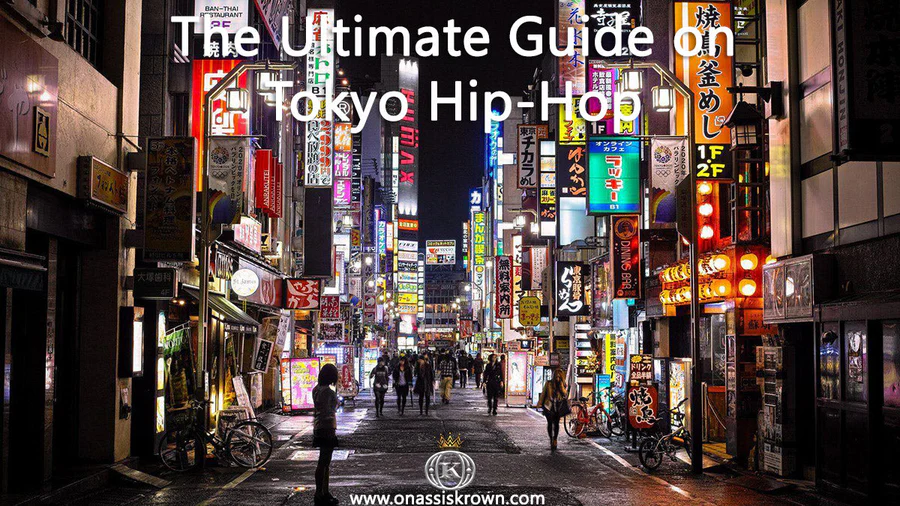
Across Shibuya, Shinjuku, and hidden street locations, rising MCs are reshaping the future of Japanese rap.
A New Generation Built on Cyphers
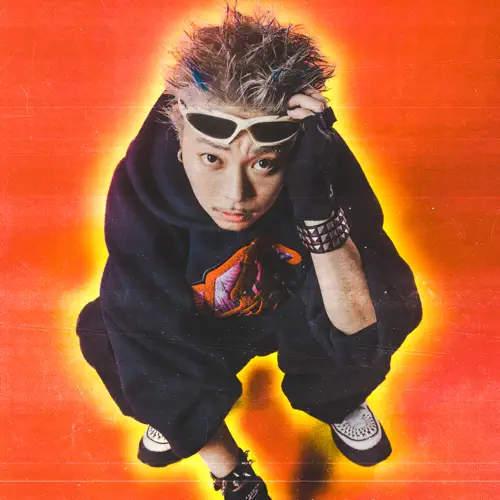
Unlike earlier generations that relied heavily on record deals and studio albums, today’s rising MCs in Tokyo are building their identities through cyphers and live freestyle battles.
These MCs are defined by:
- Rapid-fire freestyle ability
- Strong bilingual flow (Japanese and English switching)
- Heavy influence from global drill and trap sounds
- Focus on live performance over recorded perfection
Cyphers have become the primary training ground. Instead of waiting for studio exposure, artists now gain recognition through viral freestyle clips shared across social media platforms.
This shift has made talent discovery faster, more competitive, and more community-driven.
Underground Spaces Driving Innovation
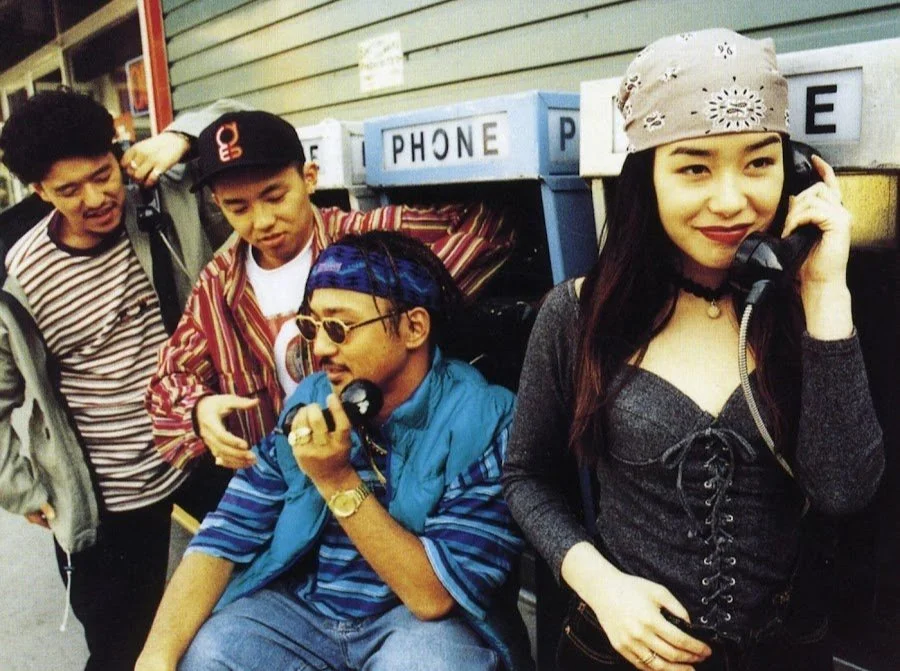
Tokyo’s underground hip-hop culture thrives in small, often hidden spaces. These include basements, studio rooms, abandoned venues, and street corners where MCs gather for spontaneous rap battles.
These environments encourage:
- Raw lyrical experimentation
- Immediate crowd feedback
- Competitive freestyle battles
- Collaboration between unknown artists
Unlike structured concerts, these spaces are unpredictable. A single strong performance can instantly elevate an unknown MC into local recognition.
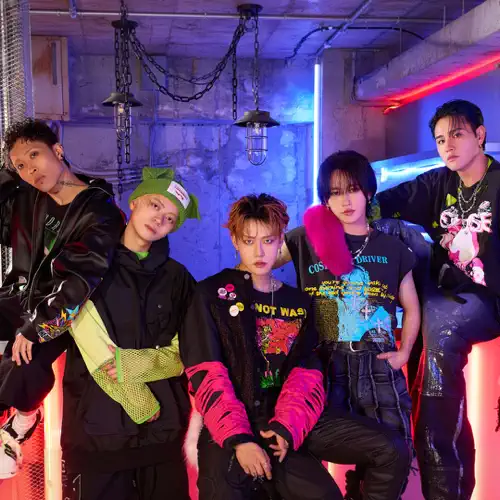
The underground scene is where Tokyo hip-hop is currently evolving the fastest.
Shibuya Influence: Bridging Underground and Mainstream
Shibuya continues to act as the bridge between underground talent and mainstream exposure. Many rising MCs eventually move from cyphers into club performances in this district.
Shibuya clubs offer:
- Large audiences for new performers
- DJ support for freestyle segments
- Exposure to industry scouts and influencers
- High-energy trap-driven environments
This creates a pathway where underground MCs can transition into professional careers without losing their raw identity.
However, the pressure to adapt to commercial sound is also high, forcing artists to balance authenticity with market appeal.
Shinjuku: Experimental Freedom for MCs
Shinjuku plays a different role in Tokyo hip-hop. It provides space for experimentation rather than commercial exposure.
Here, MCs often perform in:
- Lo-fi rap sessions
- Experimental beat cyphers
- Hybrid electronic-rap environments
- Improvised freestyle gatherings
This district allows artists to explore their creativity without strict expectations. Many MCs use Shinjuku as a testing ground for new flows, storytelling techniques, and unconventional rhythms.
Global Drill and Trap Influence
The sound shaping Tokyo’s rising MC generation is heavily influenced by global drill and trap movements. However, Japanese MCs are not simply copying these styles—they are transforming them.
Key adaptations include:
- Faster lyrical delivery to match Japanese syllable structure
- Emotional storytelling embedded in street narratives
- Softer melodic transitions within aggressive beats
- Integration of cultural references unique to Tokyo life
This hybrid sound is becoming a defining feature of the new generation.
The Role of Viral Cypher Culture
Social media has completely changed how MCs gain recognition in Tokyo. A single freestyle clip can circulate widely within hours, giving unknown artists sudden visibility.
Cypher highlights are often:
- Filmed in low-production environments
- Shared on short-form video platforms
- Ranked by audience reaction rather than formal judging
- Used as portfolio material for future bookings
This has created a merit-based system where skill is immediately visible and rewarded.
Cultural Identity and Expression
Tokyo MCs are increasingly blending personal identity with hip-hop expression. Lyrics often reflect:
- Urban isolation and city life experiences
- Youth struggles in competitive environments
- Digital-age relationships and identity
- Aspirations for global recognition
Even in aggressive drill-influenced performances, there is often emotional depth and introspection.
Final Takeaway
Tokyo’s rising MC scene represents the most dynamic part of Japanese hip-hop today. Built on cyphers, underground venues, and viral culture, this new generation is redefining what it means to be a rapper in Japan.
As the line between underground and mainstream continues to blur, Tokyo is shaping a unique hip-hop ecosystem where talent is discovered in real time and culture evolves through live performance rather than traditional industry systems.
The future of Tokyo hip-hop will likely be led not by established stars, but by the MCs currently battling in cyphers across the city.