
Tokyo Hip-Hop Drops: Artists Driving the Sound, Club Hits, and Underground Movement
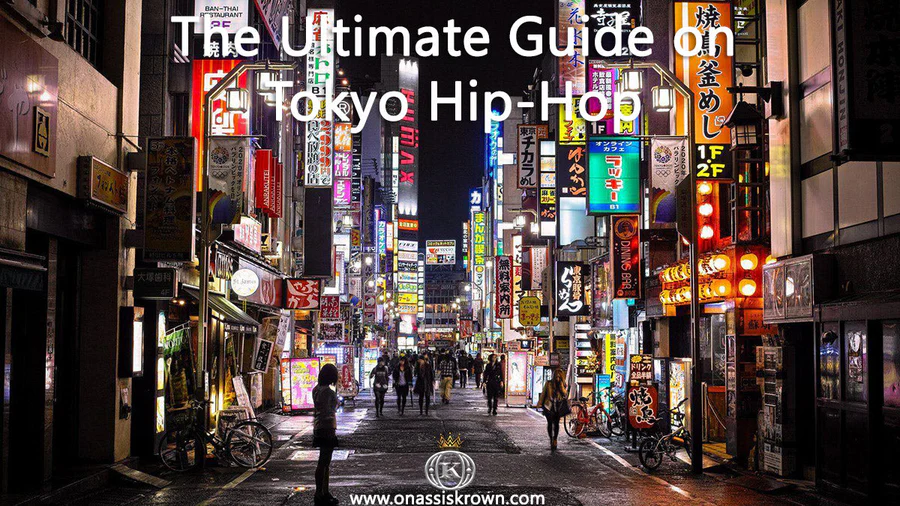
Tokyo hip-hop in Week 3 is no longer just about what’s dropping—it’s about who is shaping the sound. The city’s rap ecosystem is being driven by a mix of established icons, rising underground MCs, and globally influenced artists who are redefining how Japanese hip-hop moves.
From Shibuya clubs to underground cyphers, Tokyo artists are taking international sounds and flipping them into something uniquely local.
Established Artists Still Controlling the Wave
Even in weeks without major releases, key figures continue to dominate Tokyo hip-hop culture.
Awich remains one of the most influential voices in Japan. Her presence goes beyond music—she represents identity, culture, and artistic depth. Her sound, which blends trap with strong lyrical storytelling, continues to inspire a new wave of female rappers emerging in Tokyo’s underground.
JP THE WAVY still defines the commercial trap lane in Tokyo. His influence is heard in nearly every Shibuya club set, where DJs rely on his sound to maintain high-energy rotation. His fusion of fashion, lifestyle, and music continues to shape how Tokyo hip-hop is perceived globally.
Meanwhile, the legacy of KOHH is deeply embedded in the scene. Even without active releases, his impact is visible in the raw, emotional delivery of many underground MCs who follow his blueprint of authenticity and minimalism.
Rising Tokyo MCs Taking Over Cyphers
The real momentum in Tokyo hip-hop is coming from rising artists who are building their names through freestyle culture rather than traditional releases.
Underground MCs across the city are:
- Dropping short-form freestyles on social media
- Performing in cyphers across Yoyogi Park and studio spaces
- Releasing quick, unpolished tracks on SoundCloud
- Building fanbases through viral clips rather than labels
Many of these artists remain independent, but their influence is growing rapidly. Their sound leans heavily into drill and trap, but with a Tokyo twist—faster flows, bilingual bars, and culturally specific storytelling.
This new generation is less concerned with perfection and more focused on presence and consistency.
Club Artists and Shibuya Sound Leaders
Tokyo club culture plays a major role in pushing artists into visibility. Shibuya, in particular, acts as the testing ground for what works commercially.
Artists influenced by JP THE WAVY’s style are dominating club playlists with:
- Bass-heavy trap anthems
- Short, high-impact tracks designed for DJ transitions
- Fashion-driven branding tied to their music identity
DJs are also introducing lesser-known Tokyo artists into their sets, giving underground rappers exposure to larger audiences.
This connection between DJs and artists is crucial—many MCs first gain recognition when their tracks get picked up in club rotation.
Drill Artists Reshaping Tokyo Hip-Hop
Drill continues to expand in Tokyo, with more artists adopting the style and adapting it to Japanese language and rhythm.
The Tokyo drill wave is characterized by:
- Dark, cinematic production
- Slower tempos compared to traditional trap
- Storytelling rooted in urban life and personal struggle
- Controlled, aggressive vocal delivery
While still developing, this movement is quickly becoming one of the defining sounds of Tokyo hip-hop’s next phase.
Emerging MCs are using drill not just for energy, but for narrative depth, making it more than just a club sound.
Experimental Artists and Alternative Sound
Beyond trap and drill, Tokyo hip-hop also has a strong experimental side. Influenced by global underground acts, producers and rappers are pushing boundaries with unconventional sounds.
Artists inspired by movements linked to Earl Sweatshirt and abstract hip-hop are creating:
- Lo-fi rap tracks with minimal structure
- Beat-driven songs focused on mood rather than hooks
- Fusion projects blending hip-hop with electronic music
These artists often perform in Shinjuku, where audiences are more open to experimental soundscapes.
The Role of DJs in Artist Growth
In Tokyo, DJs are essential to an artist’s success. They act as gatekeepers, curators, and promoters all at once.
This week, DJs have been:
- Introducing underground Tokyo artists into mainstream club sets
- Blending international tracks with local rap
- Supporting freestyle sessions with live beat looping
- Creating moments where unknown MCs can perform live
Without DJ support, many rising artists would struggle to reach wider audiences.
Tokyo Hip-Hop Identity Right Now
Tokyo hip-hop is currently defined by three layers:
- Mainstream leaders like Awich and JP THE WAVY
- Underground MCs building names through cyphers
- Experimental artists pushing the boundaries of sound
These layers are not separate—they constantly interact, creating a fluid and evolving scene.
Final Takeaway
Week 3 shows that Tokyo hip-hop is being driven by artists more than releases. The focus has shifted from albums to presence—who is performing, who is trending in cyphers, and who is getting played in clubs.
With rising MCs gaining momentum, drill expanding, and established artists continuing to influence the culture, Tokyo is building one of the most dynamic hip-hop ecosystems in the world.