
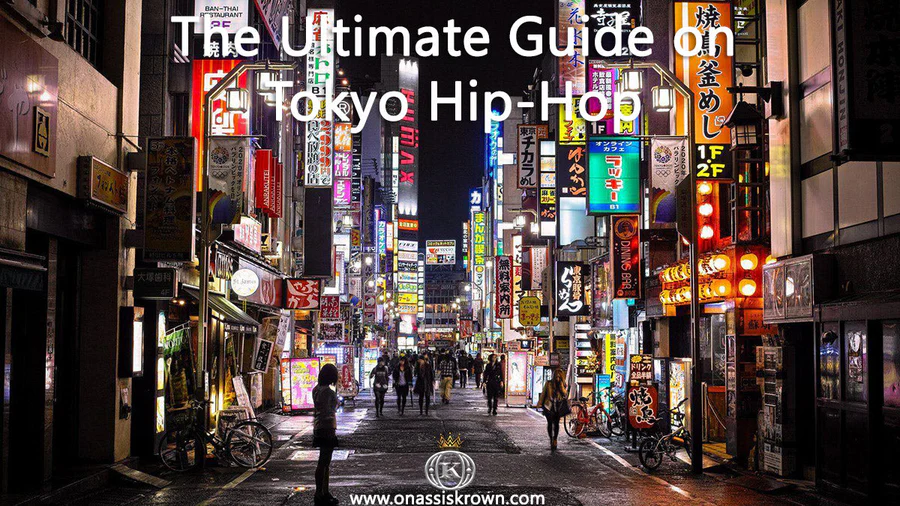
Tokyo Underground Hip-Hop Scene: Rising MCs, Cyphers, and Club Culture
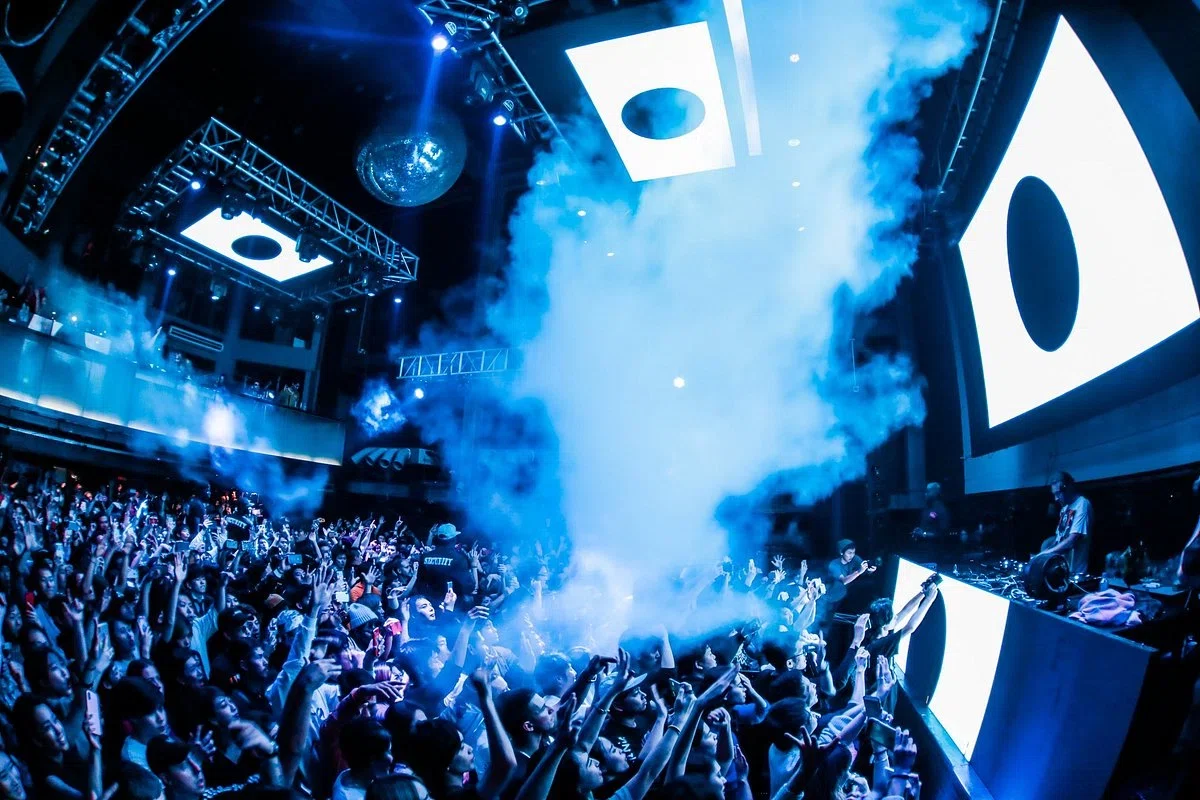
Tokyo’s underground hip-hop scene is entering a new phase of intensity and creativity, driven by rising MCs, evolving cypher culture, and a nightlife ecosystem that continues to shape how rap is performed and consumed in Japan. While mainstream Japanese hip-hop maintains visibility through established artists, the underground is where the raw evolution is happening.
Across Shibuya, Shinjuku, and hidden basement venues, a new generation of artists is redefining what Tokyo hip-hop sounds like.
The Rise of a New Generation of MCs
A noticeable shift in Tokyo hip-hop is the emergence of younger MCs who are less focused on traditional album cycles and more on live performance presence. These artists are building their reputation through cyphers, short-form content, and underground events.
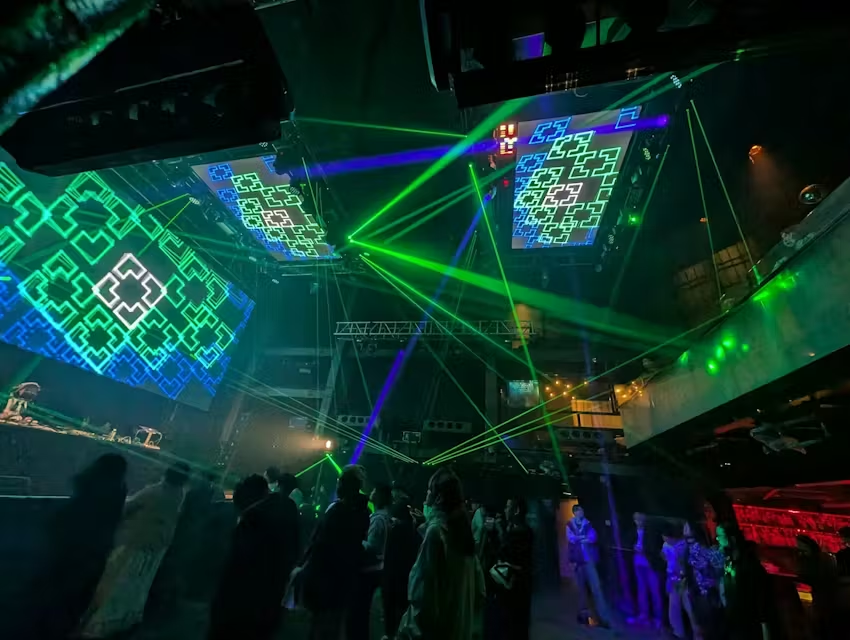
Their style is heavily influenced by global trap and drill, but adapted to local culture. This includes:
- Faster bilingual switching between Japanese and English
- Aggressive but controlled delivery styles
- Lyrical focus on urban life in Tokyo
- Heavy use of minimalist, dark drill beats
Rather than relying on labels, many of these MCs are building independent followings through viral freestyle clips and community-driven exposure.
Cypher Culture as the Core of the Underground
Cyphers remain the heartbeat of Tokyo’s underground hip-hop identity. These freestyle gatherings are no longer just casual events—they are competitive, high-energy spaces where MCs are tested in real time.
This week’s cypher culture highlights include:
- Increasing use of drill-inspired instrumental loops
- Strong emphasis on punchline density and rhythm control
- Audience participation influencing MC performance intensity
- Frequent use of social media to amplify standout moments
Locations like Yoyogi Park, abandoned studio spaces, and small live houses continue to host these sessions. In many cases, cyphers are becoming more influential than recorded music for discovering new talent.
Shibuya: Commercial Energy Meets Underground Influence
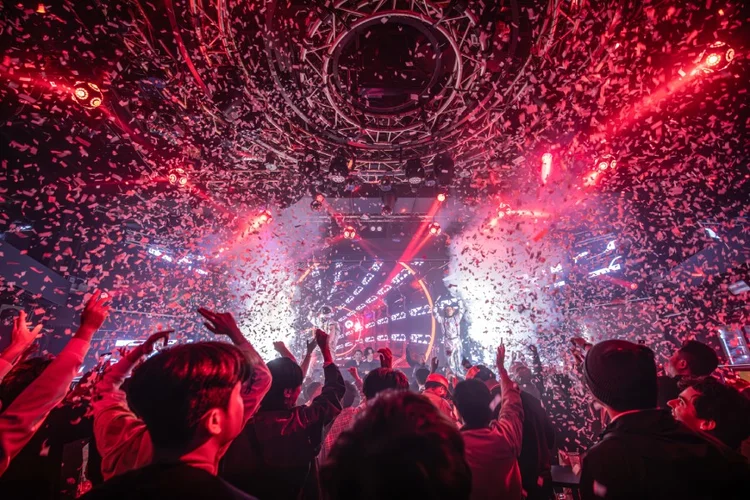
Shibuya remains Tokyo’s most commercially active hip-hop district. Clubs here are packed with trap-heavy DJ sets and high-energy performances that blend Japanese rap with global hits.
However, even within this commercial space, underground influence is becoming more visible. DJs are increasingly:
- Including raw cypher recordings in sets
- Mixing experimental trap with mainstream club sounds
- Highlighting emerging MCs during guest performance slots
- Blurring the line between club music and street rap
The result is a hybrid nightlife experience where underground energy feeds into commercial spaces.
Shinjuku: Experimental Sound and Creative Freedom
Shinjuku offers a more experimental contrast to Shibuya’s polished energy. Here, hip-hop blends with electronic music, ambient textures, and lo-fi production styles.
This district has become a testing ground for new sonic ideas. DJs and producers are experimenting with:
- Slow-tempo drill beats with atmospheric layering
- Minimalist hip-hop sets designed for immersion
- Improvised live remixing during performances
- Extended freestyle instrumentals for MCs
This environment allows artists to push boundaries without pressure from mainstream expectations.
The Influence of Global Hip-Hop Trends
Tokyo’s underground scene is deeply connected to global hip-hop movements. Drill, trap, and experimental rap from the US and Europe continue to shape the sound direction of emerging Japanese artists.
However, Tokyo is not simply copying these styles—it is transforming them. Local MCs are adding:
- Cultural storytelling rooted in Japanese urban life
- Unique rhythmic structures influenced by language flow
- Visual aesthetics tied to Tokyo fashion culture
- Emotional depth often absent in mainstream trap scenes
This fusion is creating a distinctly Tokyo version of modern hip-hop.
DJs as Gatekeepers of Underground Sound
DJs play a crucial role in shaping Tokyo’s hip-hop evolution. They are not just performers but curators of sound and culture.
This week, DJs across underground venues have been:
- Introducing unreleased or niche international tracks
- Supporting freestyle sessions with live beat manipulation
- Blending multiple genres within single sets
- Elevating unknown MCs by featuring them in live mixes
Their influence is shaping what audiences recognize as “new sound” in Tokyo hip-hop.
Fashion and Identity in the Underground
Fashion remains a major part of hip-hop identity in Tokyo. However, there is a clear split between mainstream and underground aesthetics.
In underground spaces, the style is more:
- Minimalist and functional
- Vintage streetwear-focused
- Less branded, more personal expression
- Designed for movement and performance
This contrasts with Shibuya’s more polished, luxury-driven fashion presence, highlighting the cultural divide within the scene.
Final Takeaway
Tokyo’s underground hip-hop scene is no longer a hidden layer—it is becoming the foundation of the city’s rap identity. Rising MCs, cypher culture, and experimental club spaces are driving innovation faster than traditional studio releases.
As global influence continues to merge with local creativity, Tokyo is positioning itself as one of the most dynamic hip-hop ecosystems in the world, where the underground is not just surviving—it is leading the evolution.