
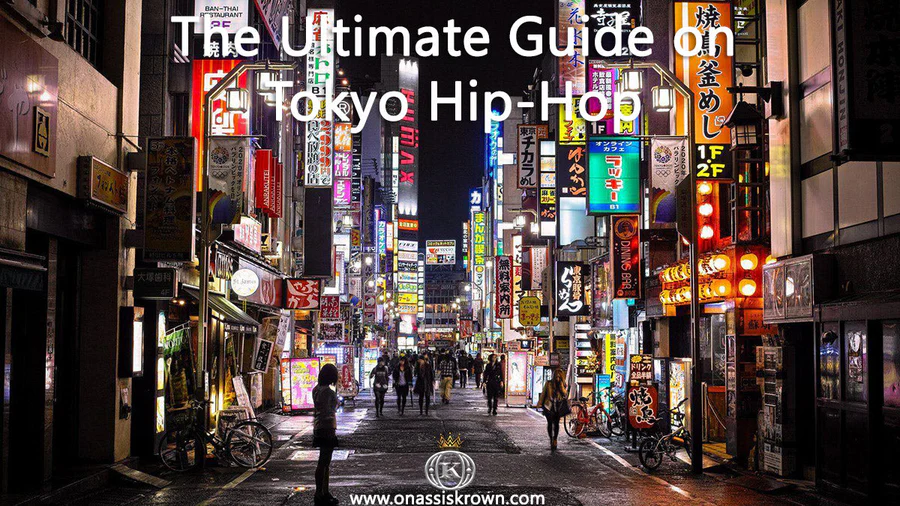
Tokyo Hip-Hop Cyphers and Club Scene Highlights: Shibuya Nightlife, Underground Rap Battles, DJ Sets, and Rising MC Culture
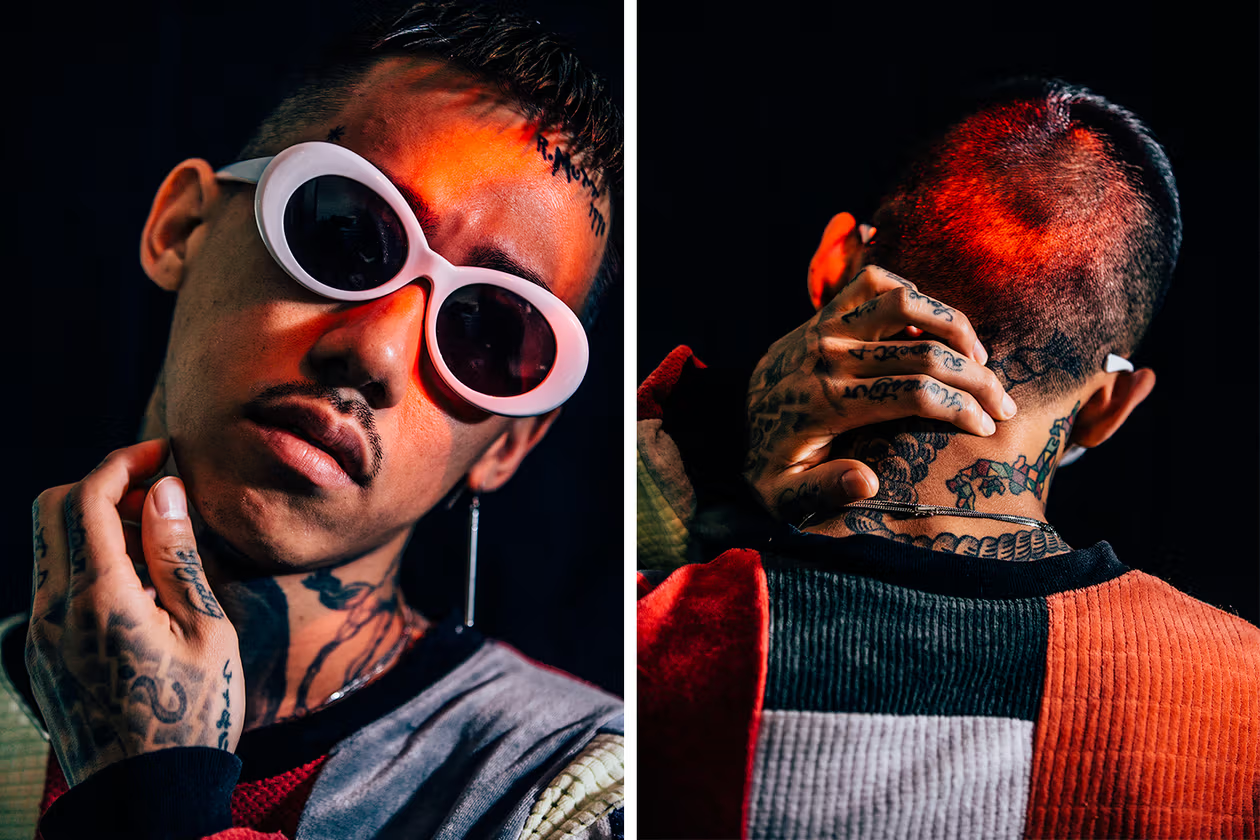
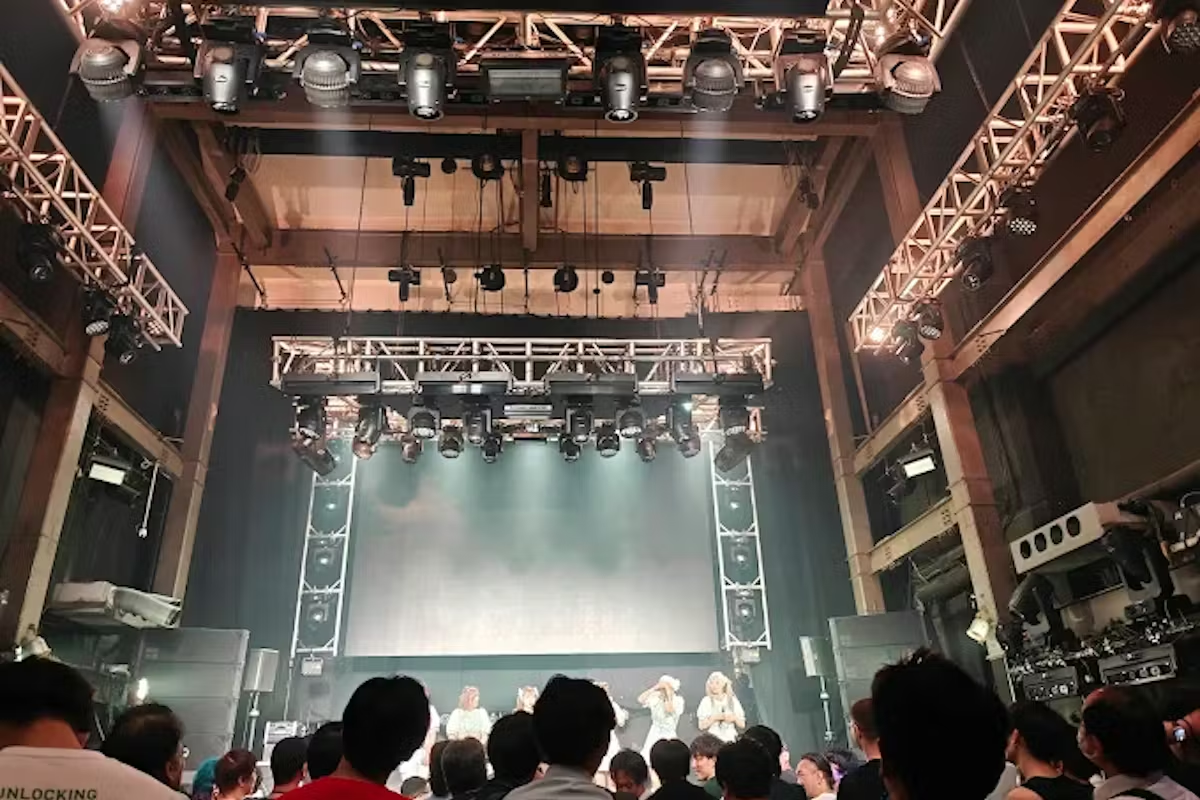
Outside the clubs, Tokyo’s cypher culture is thriving in smaller, more intimate spaces. Yoyogi Park, studio basements, and street corners are becoming hubs for freestyle battles and spontaneous rap sessions.
These cyphers are defined by:
- Fast-paced freestyle exchanges
- Bilingual flows mixing Japanese and English
- Drill-inspired beats with minimalist production
- Heavy emphasis on lyrical creativity and delivery control
Unlike structured studio releases, cyphers give artists instant feedback. A strong performance can go viral within hours, spreading through social media platforms and hip-hop communities.
Many emerging MCs are now prioritizing cypher visibility over traditional releases, treating freestyle battles as their primary entry point into the scene.
Underground MC Energy and Rising Names
While mainstream Japanese hip-hop continues to be shaped by artists like Awich and JP THE WAVY, the underground is developing its own identity.
Younger MCs are heavily influenced by global drill and trap scenes, but they are adding a distinctly Tokyo twist—more melodic phrasing, faster switching between languages, and storytelling rooted in urban Japanese life.
Legacy influence from KOHH is still present, especially in lyrical themes centered around realism, struggle, and personal expression.
The result is a hybrid underground style that feels both global and deeply local at the same time.
DJs as Culture Curators
In Tokyo’s hip-hop ecosystem, DJs are more than performers—they are cultural curators. Their role in shaping weekly sound direction is massive.
This week, DJs across Shibuya and Shinjuku have been:
- Introducing international underground tracks into local sets
- Blending experimental rap with club-ready trap
- Supporting freestyle sessions by looping instrumental breaks
- Creating transitions that guide crowd emotion rather than just energy
The DJ culture in Tokyo is directly influencing how audiences understand hip-hop—not just as music, but as a continuous live experience.
Fashion and Performance Identity
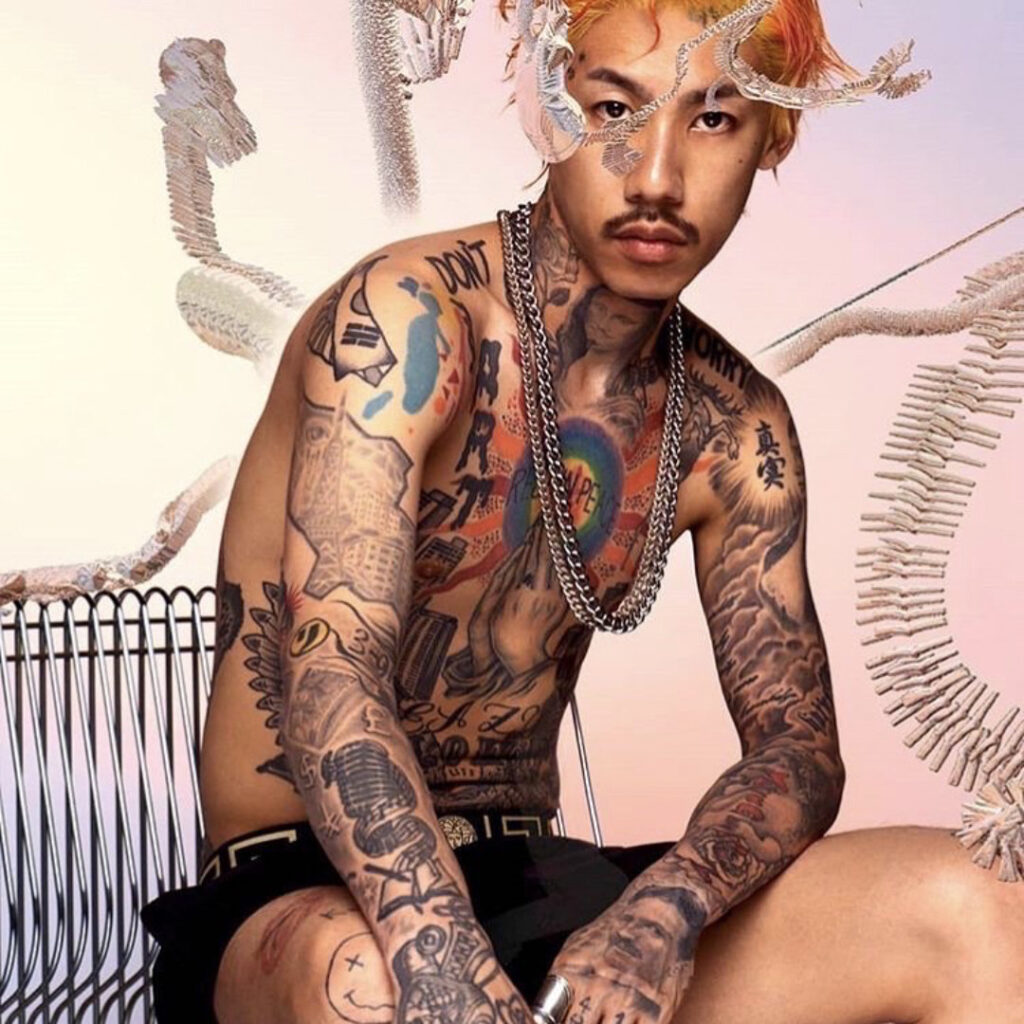
Hip-hop in Tokyo is inseparable from fashion. This week’s club and cypher scenes highlight a strong connection between visual identity and musical expression.
Common styles include:
- Oversized streetwear and vintage sportswear
- Luxury fashion pieces mixed with underground aesthetics
- Minimalist monochrome outfits in cypher spaces
- Flashy, high-end fashion in Shibuya nightlife environments
This contrast reflects the dual nature of Tokyo hip-hop: polished mainstream performance versus raw underground authenticity.
Final Takeaway

Week 1 of April 2026 shows that Tokyo hip-hop is currently driven more by live energy than recorded music. Cyphers and club scenes are acting as the main engines of creativity, while DJs and MCs continue to push global sounds into local contexts.
With increasing interaction between underground artists and international influences, Tokyo’s hip-hop scene is becoming more fluid, unpredictable, and globally connected.
The next stage will likely see even more cypher visibility, stronger drill influence, and deeper integration between Tokyo’s nightlife and its underground rap culture.