



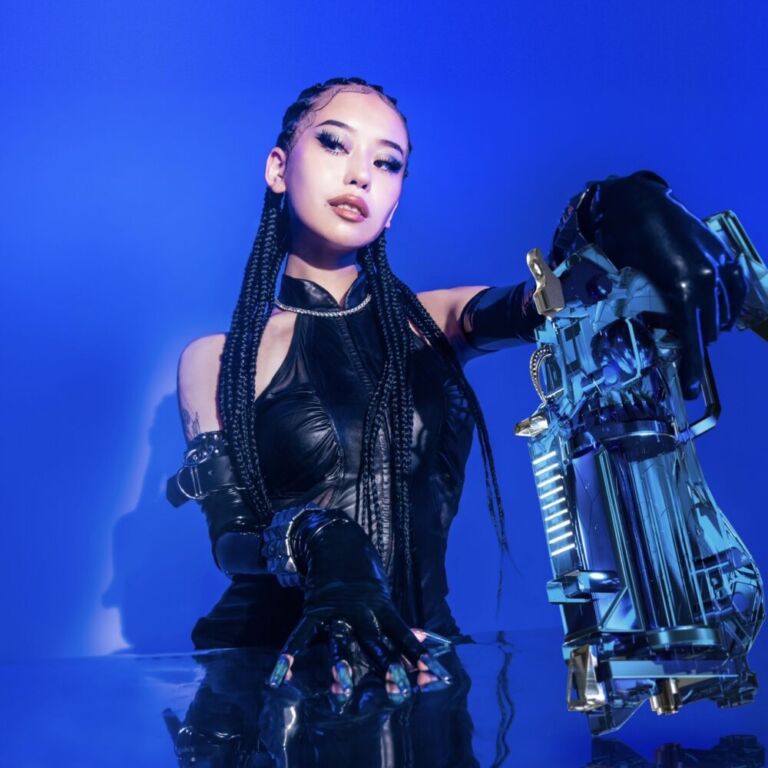

Female Rappers Are Reshaping Japanese Hip-Hop Culture

Japanese hip-hop has evolved dramatically over the past decade. Once viewed as a niche subculture inspired by American rap, the genre has grown into one of the country’s most influential musical movements. While many factors have contributed to this rise, one of the most significant developments has been the emergence of female rappers as leading voices within the scene.
Artists such as Awich and LANA are not only achieving commercial success but are also changing perceptions of what Japanese hip-hop can be. Their growing influence is visible everywhere—from streaming charts and social media platforms to sold-out concerts and major festivals. These artists are helping create a more diverse, dynamic, and globally relevant rap culture in Japan.
As the genre continues to expand, female rappers are proving they are not simply participants in the movement. They are becoming some of its most important architects.
A New Era for Japanese Hip-Hop
For many years, Japanese hip-hop was largely dominated by male artists. While talented female rappers certainly existed, they often received less visibility than their male counterparts. The industry’s biggest stages, media coverage, and commercial opportunities frequently favored men.
Today, that reality is changing.
The current generation of female rappers is benefiting from a more connected music landscape where streaming platforms, social media, and independent promotion allow artists to reach audiences directly. Talent and audience engagement have become more important than traditional industry gatekeeping.
As a result, women are securing larger fan bases, generating millions of streams, and becoming key figures in conversations about the future of Japanese rap.
The shift reflects broader changes occurring throughout the global hip-hop industry, where female artists continue to gain influence and redefine expectations.
Awich’s Lasting Impact
Few artists have played a larger role in this transformation than Awich.
Born in Okinawa, Awich has built a reputation as one of Japan’s most respected and accomplished rappers. Her music combines sharp lyricism, emotional storytelling, and powerful themes that resonate with listeners across different generations.
What separates Awich from many of her peers is her ability to blend personal experiences with broader cultural narratives. Her songs often explore topics such as identity, resilience, family, ambition, and social challenges, creating a level of authenticity that has earned widespread respect.
Over the years, Awich has evolved from an underground favorite into a mainstream force. Her performances consistently attract large audiences, while her collaborations with major artists have expanded her reach beyond Japan’s borders.
Many younger female rappers cite Awich as an inspiration because she demonstrated that success in hip-hop does not require sacrificing individuality. She has shown that women can compete at the highest level while maintaining complete artistic control over their careers.
Her influence extends beyond music. Through interviews, public appearances, and community engagement, Awich has become a symbol of empowerment for aspiring artists throughout Japan.
LANA Represents the Next Generation
While Awich has helped establish the foundation for modern female rap success in Japan, LANA represents the future.
Over the past few years, LANA has emerged as one of the country’s fastest-rising stars. Her unique blend of rap, melody, and emotional expression has resonated strongly with younger audiences who appreciate artists capable of crossing genre boundaries.
Unlike previous generations of rappers who often focused exclusively on traditional hip-hop sounds, LANA embraces a more fluid artistic approach. Her music incorporates elements of contemporary R&B, pop, and global trends while maintaining a strong hip-hop identity.
This versatility has made her one of the most talked-about artists in Japanese music.
Fans are drawn to her ability to create songs that feel both personal and universal. Whether discussing relationships, personal growth, or ambition, her music connects with listeners who see their own experiences reflected in her lyrics.
Her rapid rise also highlights an important trend within Japanese hip-hop: audiences are increasingly supporting artists based on authenticity and creativity rather than conforming to older industry expectations.
As her profile continues to grow, many observers believe LANA could become one of the defining voices of Japanese music during the next decade.
Festival Stages Are Reflecting the Shift
One of the clearest indicators of female rappers’ growing influence can be seen at Japan’s biggest music festivals.
Events such as POP YOURS have become major cultural moments within Japanese hip-hop, attracting thousands of fans and generating widespread online discussion. These festivals serve as important indicators of which artists are shaping the scene.
In recent years, female performers have moved from supporting roles to headline-worthy attractions.
Awich, LANA, and other prominent women in the genre regularly receive prime performance slots and attract massive crowds. Their presence demonstrates that audiences are eager to support female-led rap performances on the same level as those of their male counterparts.
Festival organizers have recognized this shift and are increasingly showcasing diverse lineups that reflect the changing makeup of Japanese hip-hop.
For young fans attending these events, seeing women command major stages helps normalize the idea that success in rap is determined by talent rather than gender.
The Power of Social Media
Social media has played a crucial role in the rise of female rappers throughout Japan.
Platforms such as TikTok, Instagram, YouTube, and X have created opportunities for artists to connect directly with audiences without relying entirely on traditional media channels.
Viral clips, performance highlights, behind-the-scenes content, and fan interactions help artists build strong communities around their music.
Female rappers have proven particularly effective at using these platforms to engage audiences and grow their brands. Their ability to combine music, storytelling, and visual creativity has helped attract fans from diverse backgrounds.
The result is a more engaged fan culture that actively supports artists through streaming, merchandise purchases, concert attendance, and social sharing.
This direct connection with audiences has accelerated the careers of many emerging female rappers and contributed to the overall growth of the genre.
Expanding the Sound of Japanese Rap
Another reason female rappers have become so influential is their contribution to the evolution of Japanese hip-hop’s sound.
Today’s artists are not limited by strict genre boundaries. Instead, they freely incorporate elements from R&B, pop, electronic music, trap, and international styles.
This willingness to experiment has helped create a richer and more diverse musical landscape.
Female artists are often at the forefront of these innovations, introducing new sounds and perspectives that challenge conventional expectations. Their creativity has helped attract listeners who may not have previously considered themselves hip-hop fans.
As a result, Japanese rap continues reaching wider audiences and establishing itself as one of the country’s most vibrant musical genres.
Global Interest in Japanese Hip-Hop
The rise of female rappers is occurring at the same time that international interest in Japanese hip-hop is reaching new heights.
Streaming services have made music more accessible than ever, allowing listeners around the world to discover artists regardless of language barriers.
International fans are increasingly exploring Japanese rap, attracted by its unique blend of local culture and global influences.
Artists like Awich have become important ambassadors for the scene, demonstrating that Japanese hip-hop can compete on a global stage. Meanwhile, rising stars such as LANA are helping introduce new audiences to the genre.
As international collaborations become more common, female rappers are likely to play an even larger role in connecting Japan’s hip-hop community with the rest of the world.
Inspiring the Next Generation
Perhaps the most important impact of female rappers is the inspiration they provide to future artists.
Young women who dream of pursuing careers in music now have visible examples of success within Japanese hip-hop. They can see artists who have overcome obstacles, built loyal fan bases, and achieved recognition without compromising their identities.
This representation matters because it expands what future generations believe is possible.
As more young artists enter the scene, the diversity and creativity of Japanese hip-hop will continue to grow.
The current success of female rappers is not simply a trend—it is helping reshape the culture for years to come.
Looking Ahead
Japanese hip-hop is entering one of the most exciting periods in its history, and female rappers are at the center of that momentum.
Through their music, performances, and cultural influence, artists like Awich and LANA have demonstrated that women are among the most important voices in the genre today. Their success reflects broader changes within the music industry and highlights the growing diversity of Japan’s rap community.
As festivals continue expanding, streaming numbers rise, and international attention increases, female rappers are poised to play an even larger role in shaping the future of Japanese hip-hop.
The movement is no longer about breaking barriers. Those barriers are already being dismantled. The conversation now centers on how far these artists can take the culture—and based on their current trajectory, the possibilities appear limitless.