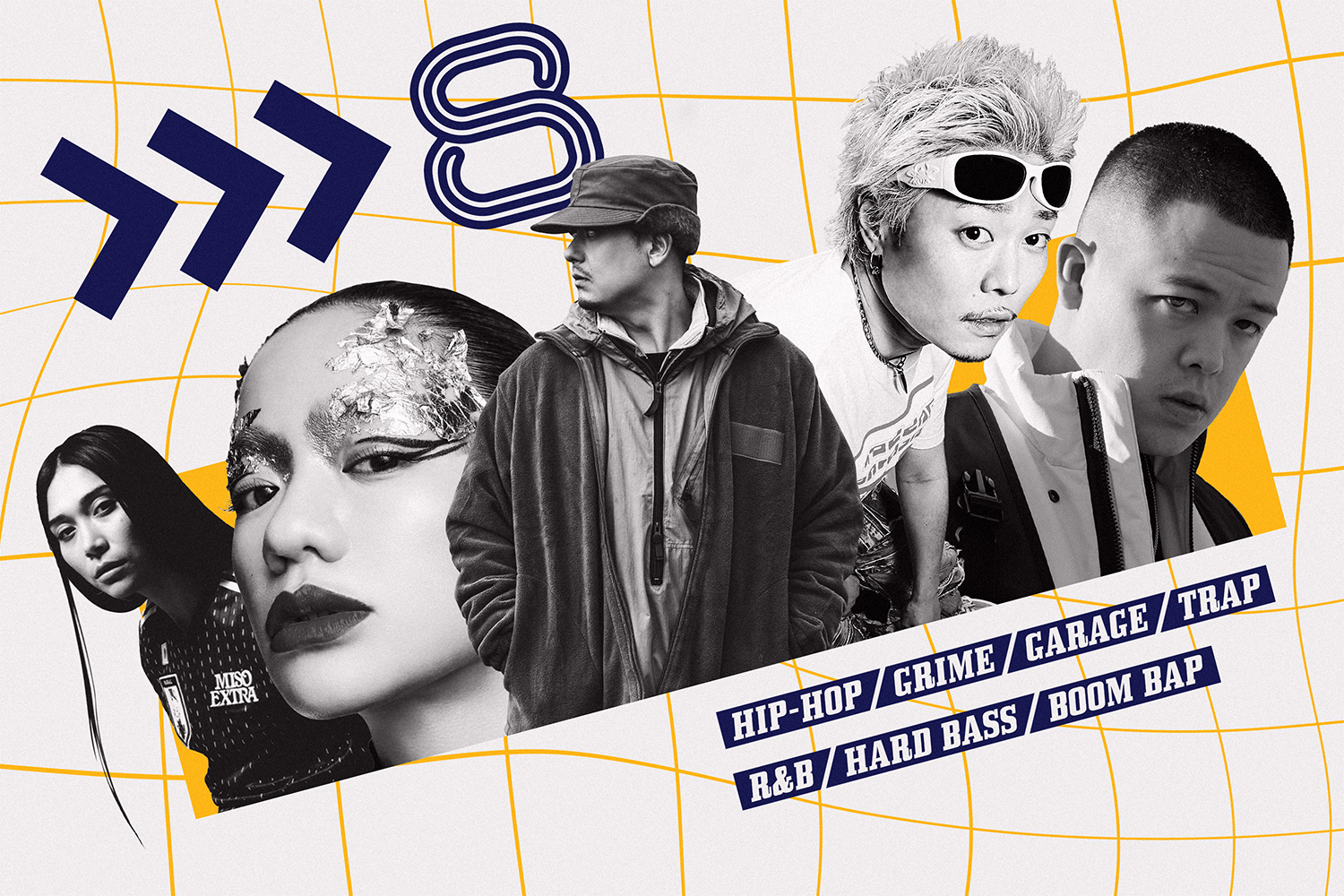

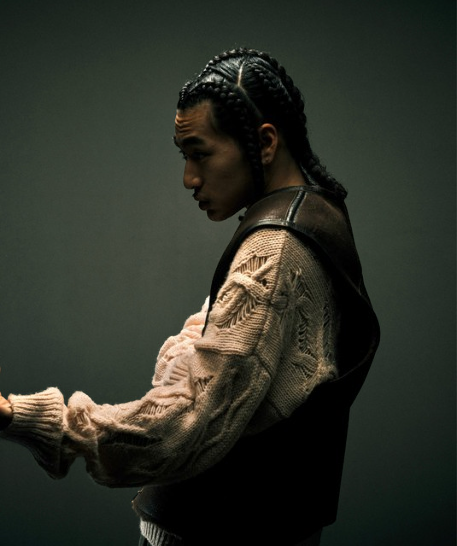
Tokyo’s Underground Hip-Hop Scene Sets the Tone for 2026
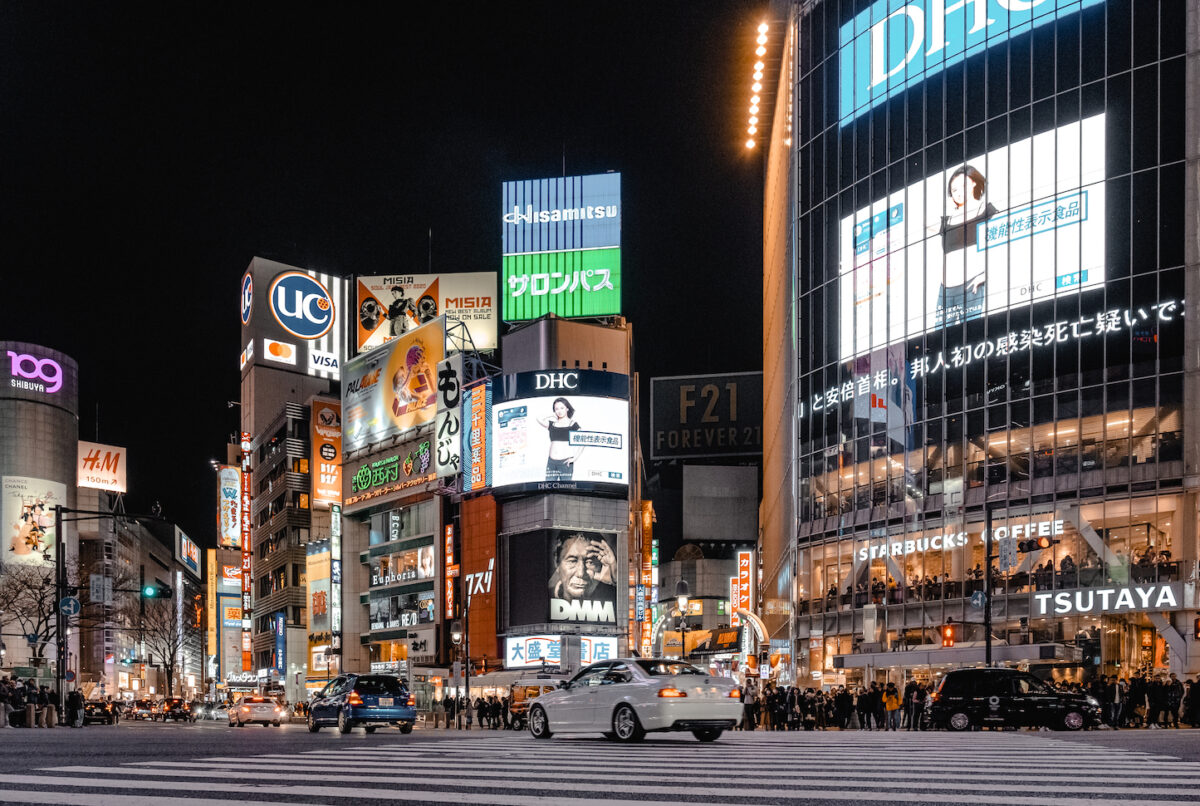
As 2026 begins, Tokyo’s underground hip-hop culture is already showing strong momentum. While mainstream Japanese hip-hop continues to grow globally, the city’s raw street sound remains the heart of the movement. From low-key cyphers in back alleys to packed basement shows in Shibuya, Tokyo hip-hop is thriving with authenticity, creativity, and fearless expression.
The first week of January saw a rise in intimate underground events where local MCs showcased their lyrical skills without flashy production. These gatherings, often organized through word of mouth and social media, attract die-hard fans who value bars, flow, and real storytelling. Unlike large commercial concerts, these sessions focus on pure hip-hop elements: emceeing, DJing, breakdancing, and graffiti.
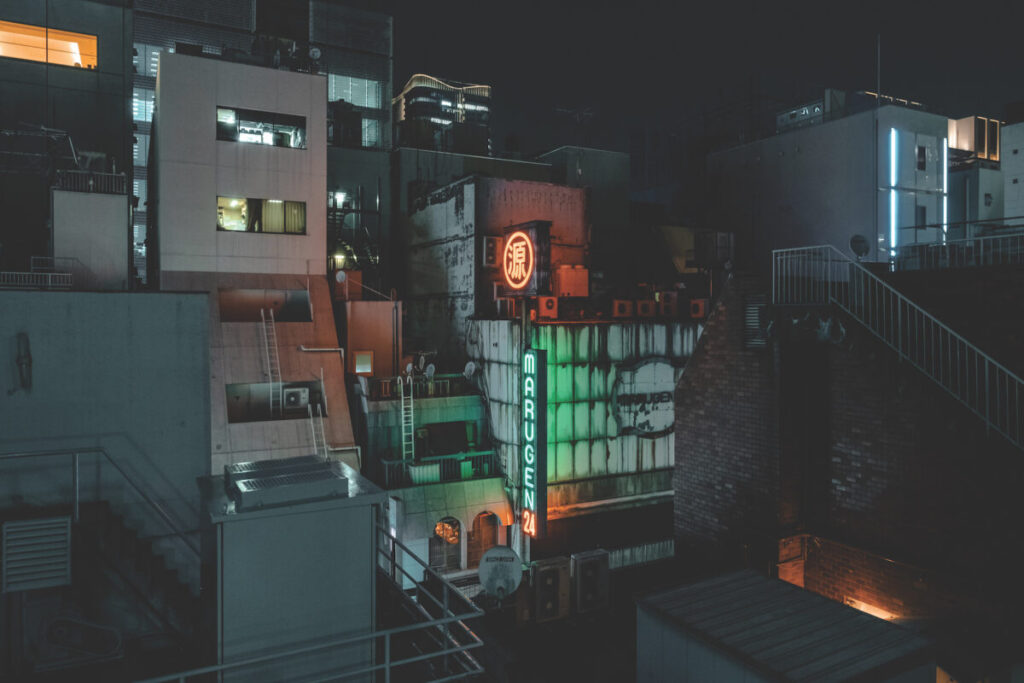
One standout location this week was a hidden venue near Shimokitazawa, known for hosting experimental rap nights. The crowd was a mix of students, artists, and long-time hip-hop heads. Performers delivered verses in both Japanese and English, reflecting Tokyo’s growing multicultural influence. Many rappers addressed real-life struggles, from chasing dreams in a competitive city to dealing with social pressure and identity.
Tokyo hip-hop artists are also blending traditional Japanese culture with modern rap sounds. Some performers incorporate old-school instruments, street fashion inspired by Harajuku, and references to Japanese folklore. This fusion makes Tokyo’s hip-hop scene unique compared to American or European styles. Instead of copying Western trends, local artists are building a sound that represents their own reality.
Freestyle culture is another major highlight this week. Open-mic battles and rap circles continue to be popular across the city. These sessions allow new artists to gain respect based on skill rather than social media fame. A viral freestyle clip recorded near Shibuya Crossing gained thousands of views, proving that real talent still matters in Tokyo’s hip-hop community.
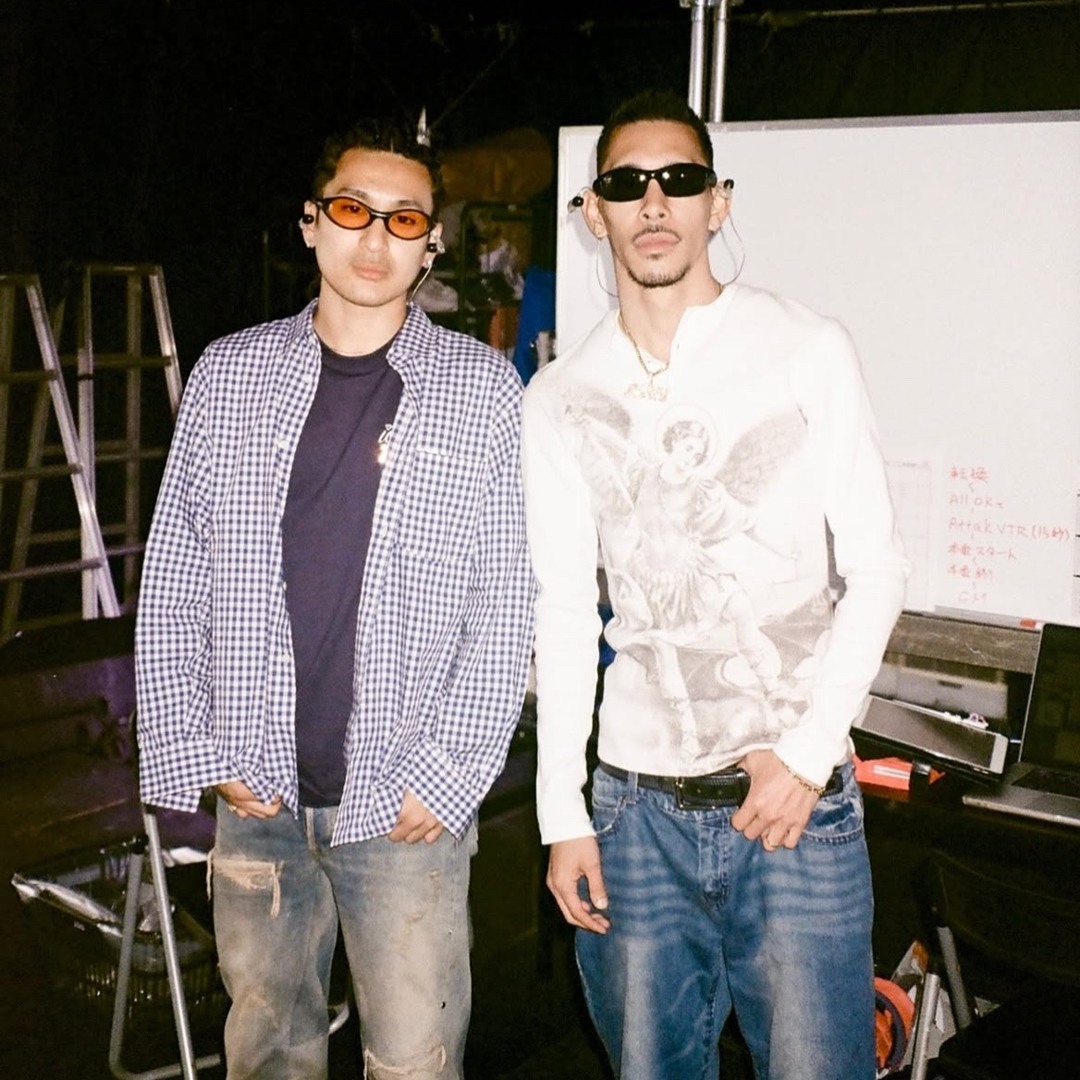
Fashion also plays a big role in Tokyo hip-hop culture. Streetwear brands, oversized hoodies, custom sneakers, and vintage accessories dominated events this week. Many rappers express their identity through style, blending hip-hop fashion with Japanese street aesthetics. This visual creativity adds to the overall energy of the scene.
Producers are pushing boundaries too. Tokyo’s underground beatmakers are experimenting with lo-fi, boom-bap, drill, and trap influences. Some beats feature anime samples, city sounds, and traditional Japanese melodies. This creative freedom keeps Japanese hip-hop fresh and unpredictable.
Social media continues to be a powerful tool for Tokyo hip-hop artists. Platforms like TikTok, YouTube, and Instagram are helping underground rappers reach global audiences. Short freestyle clips, studio sessions, and behind-the-scenes content give fans a closer look at the culture. In the first week of January, several Tokyo rappers gained international attention through viral posts.
Community remains the backbone of the Tokyo hip-hop movement. Many artists support each other by sharing stages, collaborating on tracks, and promoting local events. Instead of competition, there’s a strong sense of unity. This collective mindset helps new talent grow while preserving the culture’s roots.
Looking ahead, Tokyo’s underground hip-hop scene is set for an exciting year. More cyphers, mixtapes, street performances, and collaborations are expected in the coming months. For fans of Japanese hip-hop, the city continues to be a creative hotspot where tradition meets modern expression.
Tokyo hip-hop in 2026 isn’t just about music—it’s about identity, culture, and community. The underground scene proves that real hip-hop spirit is alive and evolving in Japan’s capital.