




The Rise of Japan’s Underground Hip
The Japanese underground hip-hop scene has always been a place where creativity thrives, far away from commercial expectations and mainstream pressure. While big-label rappers dominate radio and TV, it’s the underground that carries the heartbeat of the culture. And in late October 2025, this part of the music world showed just how powerful and innovative it continues to be.
From experimental flows to raw lyricism, home-studio EPs, indie drops, and cypher culture, October was a strong month for Japan’s independent rappers. This article breaks down what’s been happening, why the underground scene is evolving so fast, and which artists and movements you should pay attention to.
Whether you’re a long-time Japanese hip-hop fan or new to the sound, this guide will bring you into the world where the most authentic music is being made.
The Underground Sound of October: A Creative Surge
One thing was clear this month: independent rappers are no longer waiting for co-signs or validation. They’re dropping music consistently, building micro-communities, and experimenting more boldly than ever.
October brought a wave of:
• Lo-fi rap tapes
• Boom-bap style singles
• Dark, atmospheric trap joints
• Indie alternative rap
• Freestyle session recordings
• Small EPs made entirely in home studios
Instead of chasing trends, underground artists leaned into individuality. Some revived 90s-style flows, others blended Japanese melodies with modern trap drums, and many continued exploring emotional or introspective storytelling.
This rise in experimentation isn’t random — it reflects a generation of artists who are making music for expression, not charts.
Spotlight: The Indie Energy Behind Shōken’s “Iroha”
One standout release from October came from Shōken, a member of Romancrew, who dropped a new track titled “Iroha.” While it wasn’t a mainstream event, it was significant for fans who follow Japanese lyricism and underground culture closely.
Shōken is known for poetic storytelling and emotional density, and “Iroha” followed that tradition with sharp lines, minimalistic production, and a nostalgic boom-bap feel.
Songs like this represent what makes the underground special:
• Simple production
• Powerful lyricism
• Authentic delivery
• Cultural nuance and raw emotion
“Iroha” wasn’t designed to be viral — it was made for listeners who appreciate the craft. And that alone gives it more cultural weight than many flash-in-the-pan commercial singles.
October’s Breakout Themes in the Underground Scene
A few strong patterns emerged in late October 2025, shaping how the Japanese hip-hop underground is evolving.
1. The Boom-Bap Revival Is Strong
Boom-bap has never died in Japan — small circles kept it alive — but this October, it felt louder than usual. The beats were dusty, the drums were raw, and the flows had a 90s New York energy with a Japanese twist.
Young rappers and older MCs alike leaned into storytelling, emotional delivery, and simplicity. It’s clear many artists are looking back to foundational hip-hop as they shape the future.
2. More DIY EPs and Self-Produced Projects
Something big is happening in the indie space: more rappers are producing their own beats, engineering their own mixes, and even shooting their own visuals.
Self-produced releases give artists creative control and cost almost nothing. This has led to:
• Faster release cycles
• More experimental sounds
• Highly personal artistic direction
October was full of these home-studio EPs — small, raw, but full of soul.
3. The Rise of Micro-Communities
In 2025, the underground scene isn’t defined by major cities alone. Yes, Tokyo and Osaka still dominate, but there’s a growing wave of rappers building local movements in smaller towns.
These micro-communities often use small clubs, live houses, and underground cyphers. They rely heavily on word-of-mouth, graffiti posters, and small curated events. October saw more of these gatherings, especially toward the end of the month.
How Social Media Is Pushing Underground Rap Forward
Even though mainstream platforms rarely highlight underground artists, social media has become a strong tool for indie rappers. But underground artists aren’t chasing viral fame — they’re using social platforms to stay connected with small but loyal audiences.
October saw an increase in:
• Short freestyle clips
• Beat-making livestreams
• Behind-the-scenes studio videos
• Community cypher sessions
• Snippets of unreleased tracks

These micro-content moments help indie rappers survive in a music world dominated by big labels.
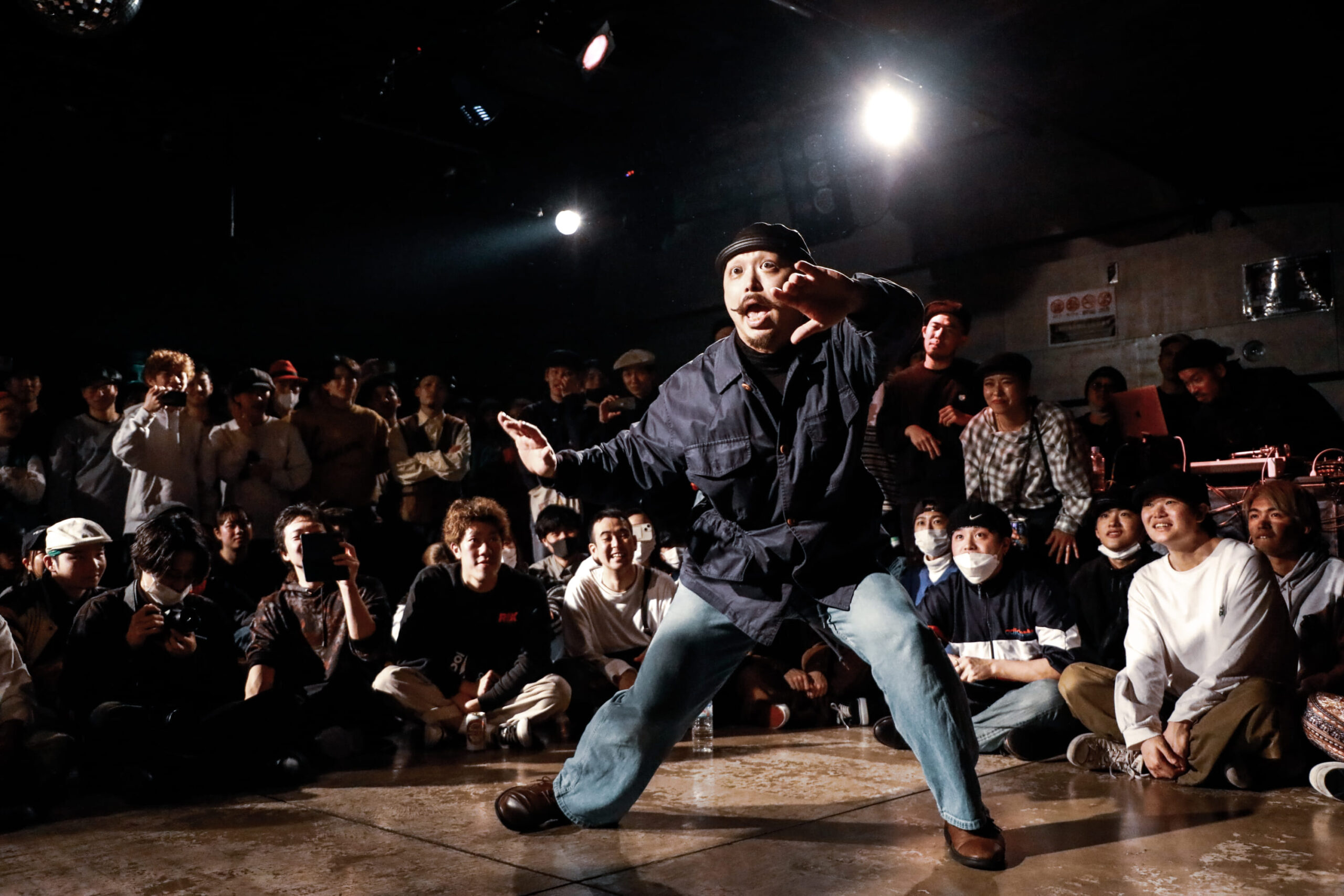
Live Culture: Small Shows, Big Vibes
Late October brought several underground-friendly events — intimate shows, cyphers, and pop-up performances around Tokyo and Osaka.
These gatherings weren’t glamorous, but the energy was unmatched. The audiences were small, but they were full of passion. And for underground rappers, these spaces matter more than mainstream stages — because here, they can test new music, receive honest feedback, and build genuine connections.
The Japanese underground scene still relies heavily on in-person culture. And October reaffirmed that live energy is still the lifeline of indie hip-hop.
The Role of New Media Platforms
With the launch of new hip-hop magazines and online platforms this month, underground rappers may soon find even more exposure. These platforms, combined with curated playlists and blog communities, help shift attention away from the same few popular names.
This renewed media activity hints at a cultural comeback — a moment where hip-hop journalism and blogging begin supporting the underground again.
Why the Underground Matters More Than Ever
If you want to understand the future of Japanese hip-hop, you have to watch the underground. October made this clear.
Here’s why:
• Underground artists take risks
• They experiment without fear
• Their music remains true to hip-hop elements
• They build community instead of industry reliance
While mainstream artists focus on polished singles and trends, the underground keeps the culture alive.
Key Artists and Sounds to Explore from Late October
Here’s what your ears should be paying attention to:
• Raw boom-bap singles from underground cypher artists
• Lo-fi emotional rap tapes made by young indie producers
• Experimental trap from small collectives in Osaka
• Poetic rap releases like Shōken’s “Iroha”
• Minimalist, sample-heavy beats from bedroom producers
• Self-made EPs released quietly on digital platforms
None of these tracks will appear on mainstream charts, but they offer something far more valuable: honest expression.
Final Thoughts: The Spirit of the Underground Is Stronger Than Ever
Late October 2025 was a reminder that Japanese hip-hop is deeper than what you see on TV or streaming charts. The underground scene is evolving quickly, driven by creativity, authenticity, and community energy.
If the last weeks of October showed anything, it’s that the underground is preparing for something bigger. More voices, more styles, more experimentation — and more cultural significance.
The next stars of Japanese hip-hop may already be here. They’re just not mainstream yet.