
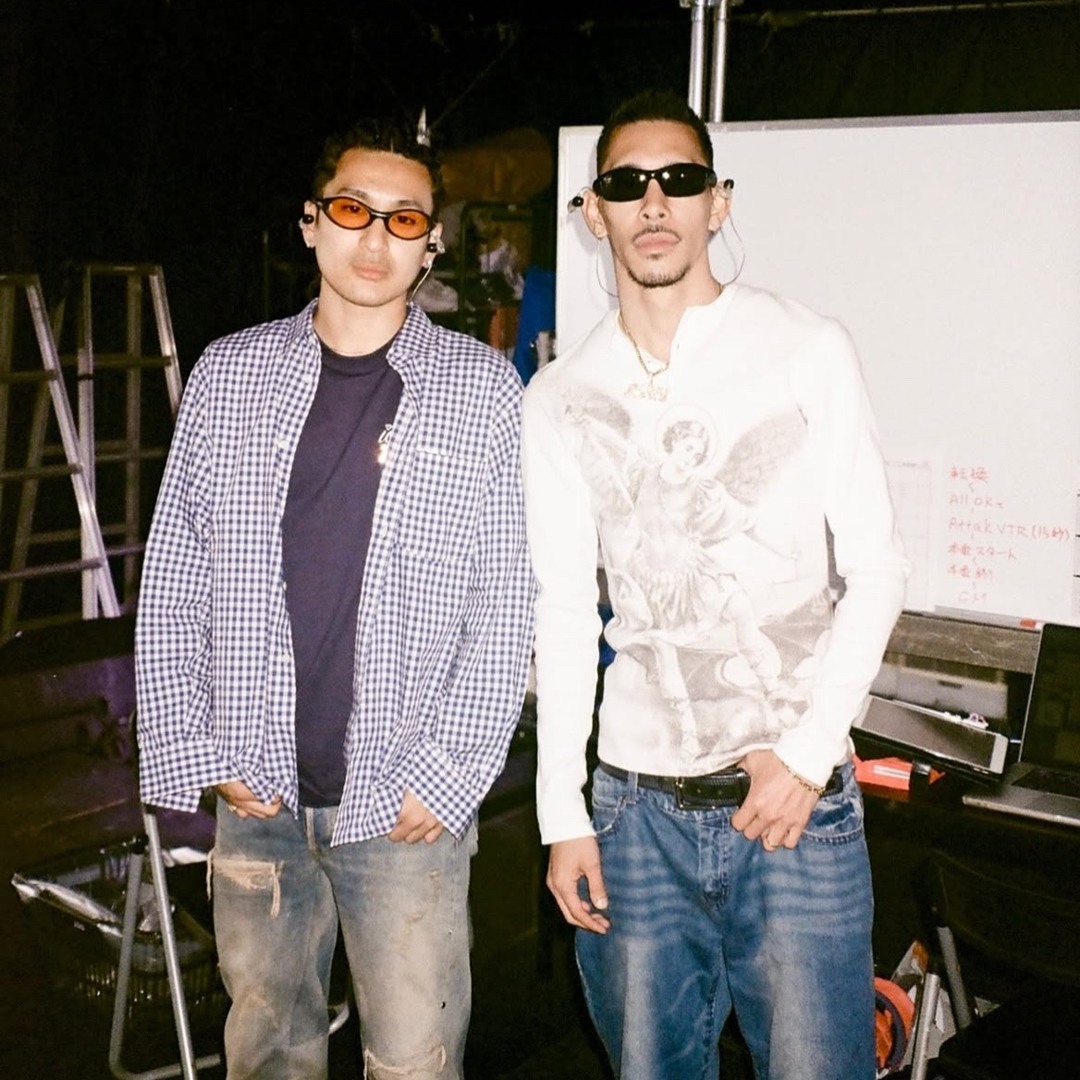

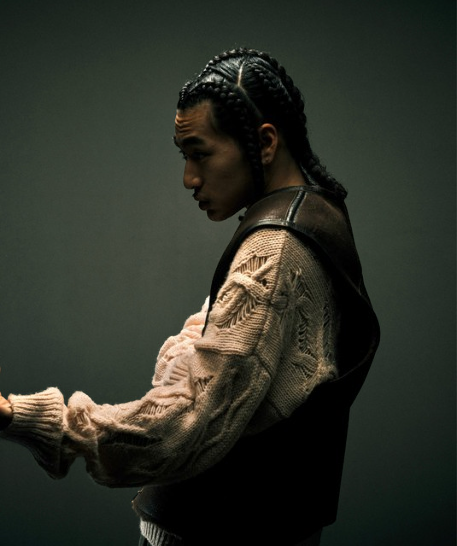
The Rise of Japanese Drill How Tokyo’s New Wave Is Rewriting the Sound of the Streets
🔥 Introduction — When Tokyo Went Dark & Heavy
For years, Japanese hip-hop leaned more toward boom-bap, trap, lo-fi, and experimental electronic rap. But around late 2023–2024, a new sound started creeping into Shinjuku clubs, SoundCloud circles, and Discord-based music collectives.
Drill.
Dark. Heavy. Minimal. Violent.
But not Chicago drill, not UK drill — something different. Something Japanese.
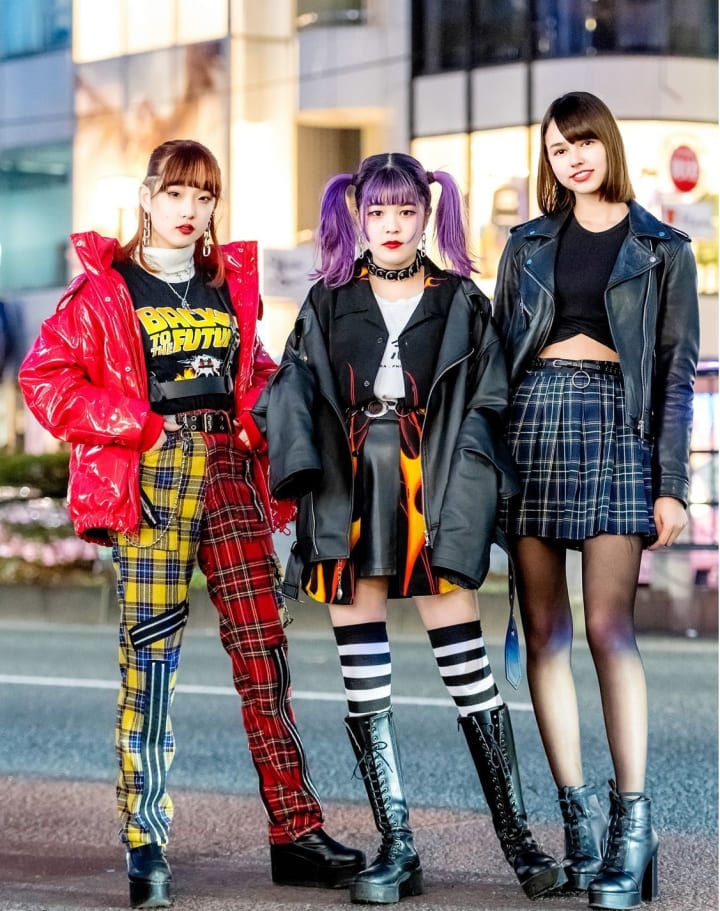
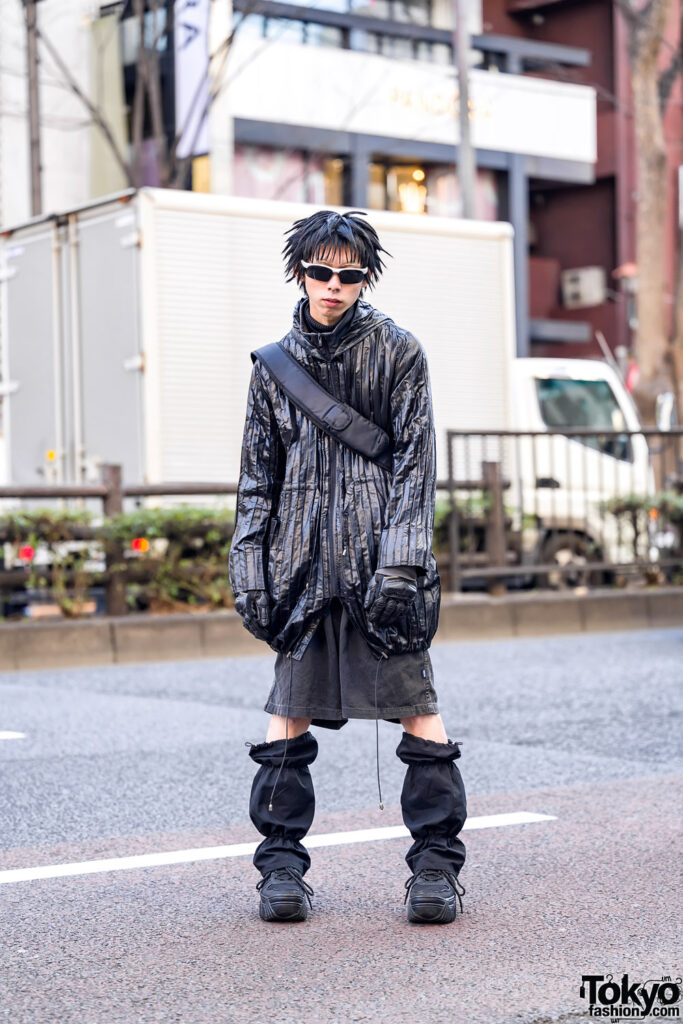
Tokyo’s young rappers took the UK-style sliding 808s, mixed them with anime-inspired aesthetics, street fashion from Shibuya and Koenji, and lyrics pulled from real city struggles: social pressure, night-shift burnout, protest culture, school stress, and digital-age identity loss.
Now in 2025, Japanese drill isn’t just a subgenre.
It’s a movement.
🎤 The New Faces of Japanese Drill
The new wave is fueled by a mix of Tokyo, Saitama, and Osaka rappers — many still in their early 20s — dropping music on YouTube and SoundCloud before major labels even notice them.
Here’s who’s shaping the scene right now:
• Baycliff – One of the earliest to flip UK-style drill into bilingual flows. Known for dark aesthetics and haunting beats.
• La’Sia – A fast-rising female rapper blending drill with cyber-punk electronic elements.
• S9K & Vlot – Two producers turning anime OST melodies into drill beat patterns.
• Jinmori – Tokyo’s most aggressive delivery, often compared to early 67 and Loski, but with distinctly Japanese cultural metaphors.
This generation doesn’t try to imitate Chicago or UK slang.
They built their own lane — local terms, local issues, local visuals.
🏙️ Why Japanese Drill Sounds So Different
Japan’s drill structure borrows the hard percussions and sliding subs — but the rest is uniquely crafted from Tokyo’s reality.
1. Anime-Influenced Melodies
Strings, bells, eerie pads that sound straight out of Tokyo Ghoul, Psycho-Pass, or Bleach intros.
2. Lyrical Themes Focused on Japanese Urban Pressure
Instead of gang wars, the lyrics explore:
- mental health struggles
- Tokyo nightlife
- school rebellion
- class pressure
- identity crisis
- social conformity vs street creativity
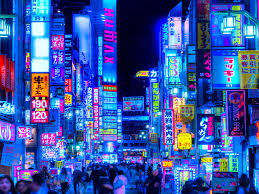
3. Neon City Aesthetics
Music videos mix:
- neon-lit alleys
- Shinjuku tunnels
- abandoned arcades
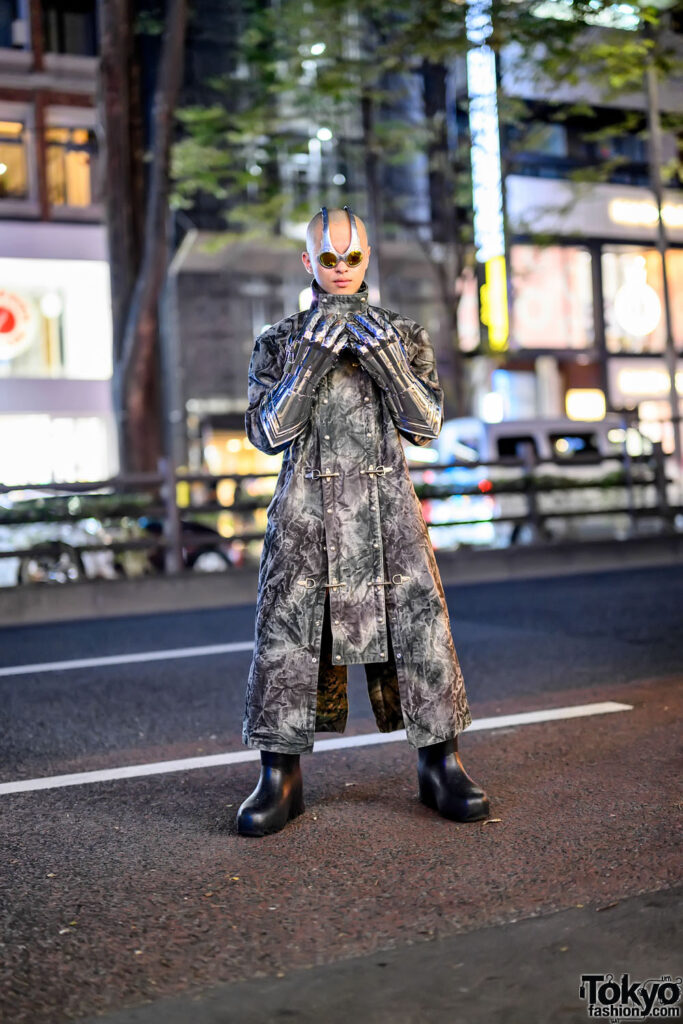
- cyberpunk fashion
- anime filters
It’s gritty, but artistic.
Hard, but visually beautiful.
🎧 Inside the Tokyo Drill Production Style
Producers in Japan treat drill as experimental art.
Common features include:
- glitch effects
- pitch-shifting vocals
- chopped Japanese dialogue samples
- metallic percussions
- gaming SFX
- reversed synths
Some beats feel like they were made inside a PS2 loading screen — in the best possible way.
🔥 The Clubs & Collectives Pushing the Sound
Drill in Japan isn’t driven by radio or labels. It’s a community movement powered by:
- Koenji basement clubs
- Shibuya underground events
- Late-night cyphers in Harajuku skate spots
- SoundCloud collectives like ArcVoid, SLEEPLESS, and NxtEra Tokyo
Many rappers record in small home studios, then perform tracks in 50–100-capacity venues where energy does more than marketing.
This DIY culture is exactly why Japanese drill feels authentic.
🌏 The Global Influence
Listeners from the UK and US are now reacting to the Japanese wave on TikTok, with comments like:
“Bro this sounds like drill from the future.”
“Japan turned drill into anime boss music.”
Foreign producers are also sampling Japanese drill acapellas — which shows how fast the global crossover is happening.
🎯 Why This Movement Matters
Japanese drill represents something much bigger than music:
A generation tired of silence.
A youth culture fighting pressure with expression.
A sound that blends pain, creativity, rebellion, and self-redefinition.
It’s Japan’s most raw, unfiltered musical moment in years — and it’s only just beginning.