
The Queens of Japanese Rap
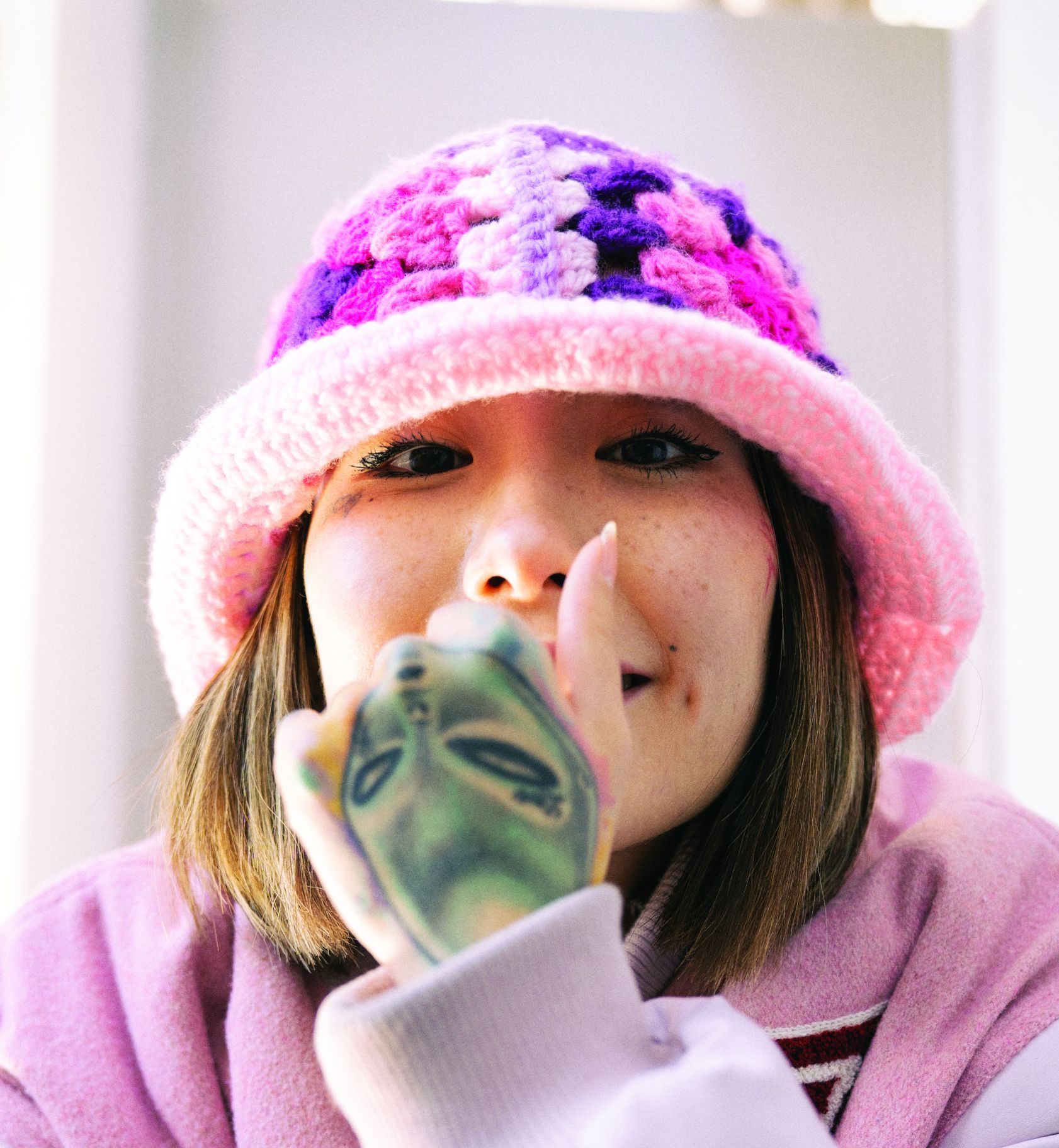
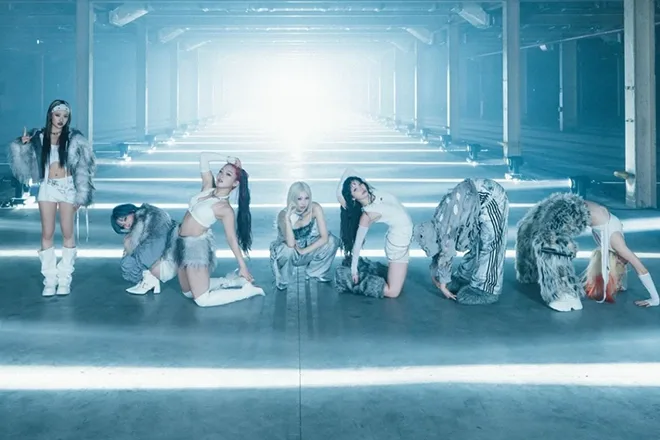
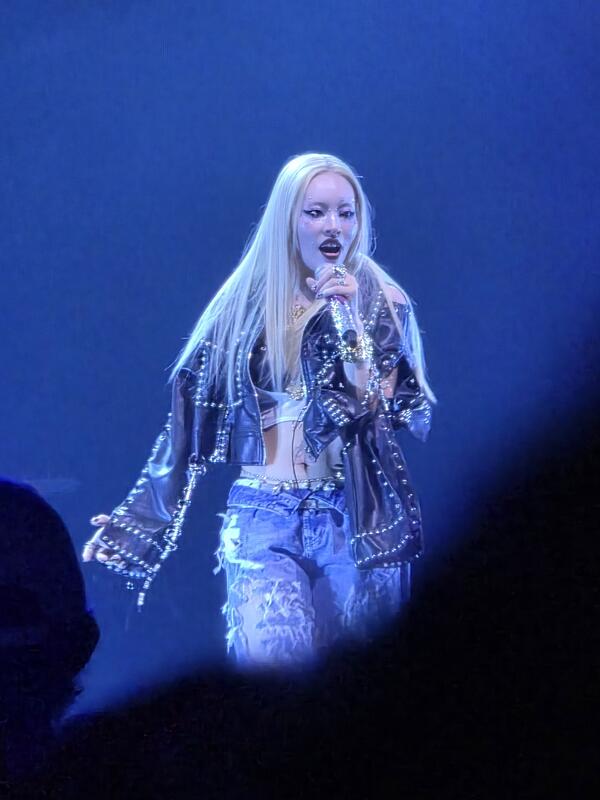
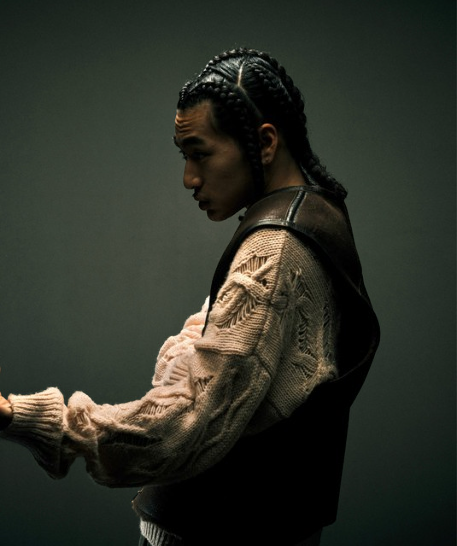
For years, Japan’s hip-hop scene was seen as a man’s game street bars, hard beats, and deep voices dominated the space. But that era’s shifting. A new wave of women MCs led by Awich is turning that old narrative upside down.
These artists aren’t just joining the game they’re owning it, with poetic storytelling, unapologetic confidence, and a style that blends power and vulnerability. In 2025, Japan’s rap queens are not only redefining the music they’re redefining the culture.
💫 Awich: The Architect of Power
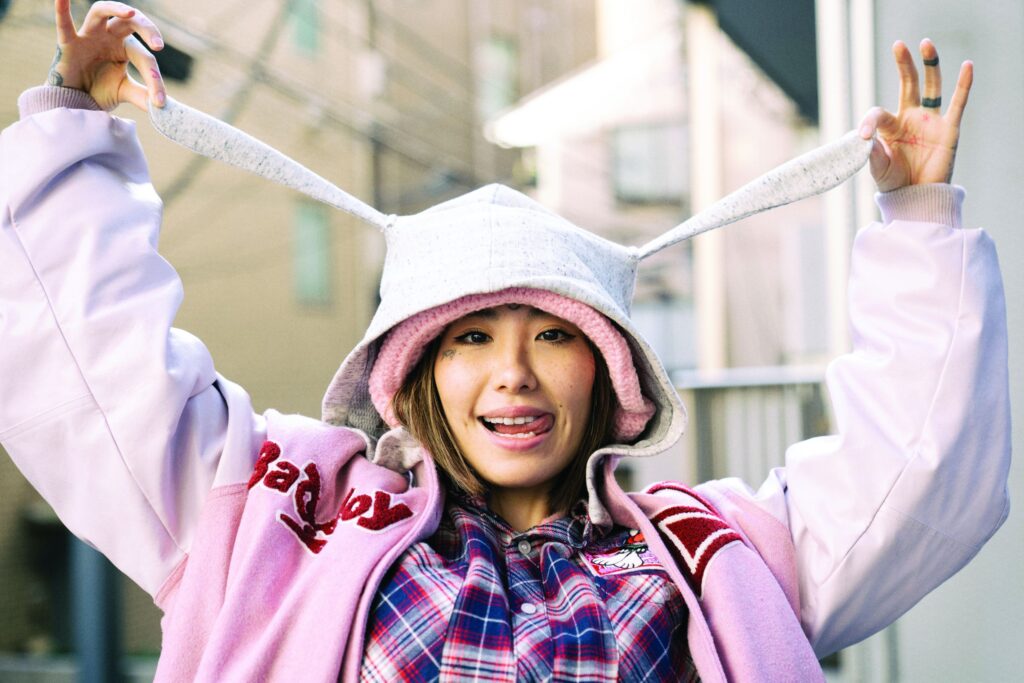
Born in Okinawa, Awich (short for “Asia Wish Child”) stands as the undisputed symbol of female empowerment in Japanese hip-hop. Her music is raw emotion wrapped in poetic fire mixing English and Japanese with effortless flow. She’s unafraid to show pain, femininity, and dominance in equal measure.
Albums like Queendom and The Union solidified her as a lyrical force. Her verses cut deep into identity, womanhood, and the struggles of being a mother and artist in a male-heavy scene. In songs like “Bad Bitch Bigaku”, she flips the narrative — turning societal judgment into a mantra of self-love and resilience.
Beyond the bars, Awich is a movement. She’s curated all-female performances, supported rising women rappers, and collaborated with global artists proving that Japanese hip-hop has room for softness, sensuality, and strength all at once.
🔥 Nene: Osaka’s Rebel Spirit
From the Kansai region, Nene brings that gritty Osaka energy with a touch of punk attitude. Her delivery is wild, fast, and fierce like she’s spitting truth bombs on every beat. Nene’s songs blend local slang with trap and house, reflecting a sound that’s both street and stylish.
She doesn’t just rap she challenges. Nene’s lyrics often confront the double standards women face in hip-hop, calling out how female rappers are judged more for appearance than bars. Her rise shows Japan’s new generation of women aren’t waiting for validation they’re taking the mic and setting fire to it.
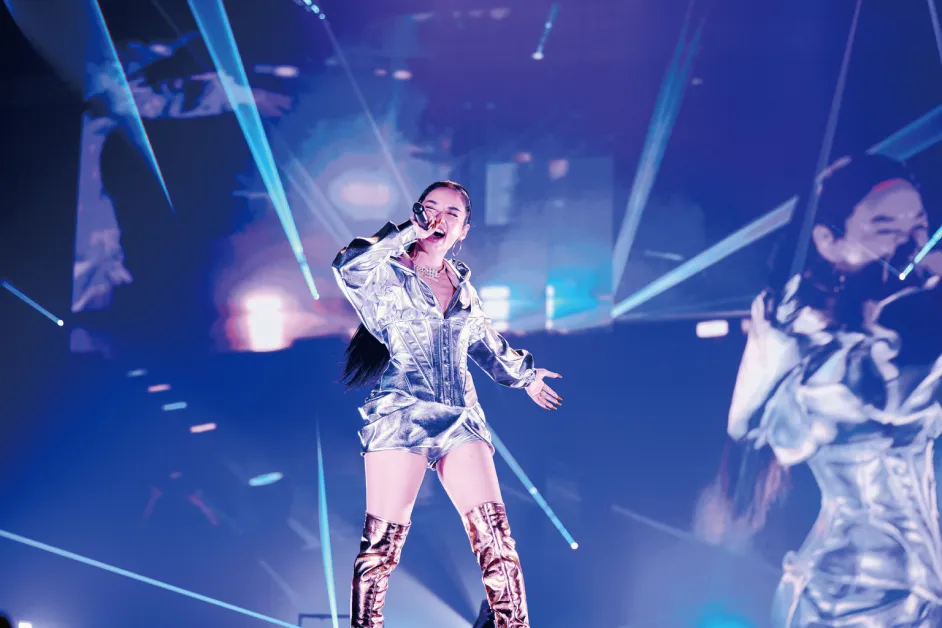
💋 Elle Teresa: Fashion Meets Flow
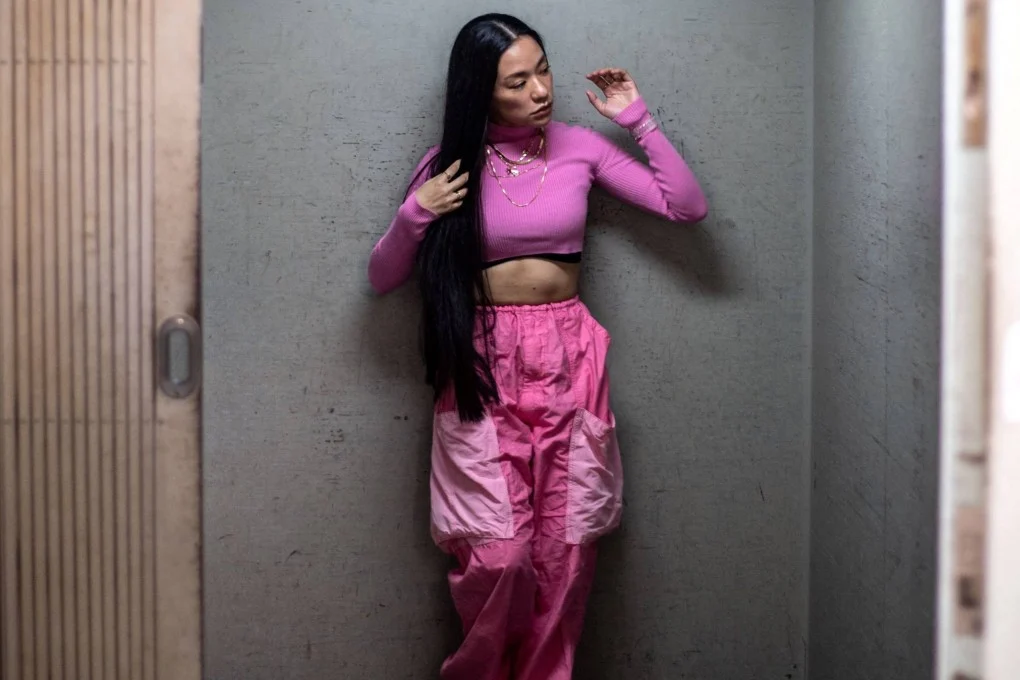
Elle Teresa, from Shizuoka, brings a different flavor luxury trap mixed with feminine swagger. Often called the “Japanese Nicki Minaj,” she blends cute aesthetics with raw sexual confidence. Her visuals are pink, flashy, and fearless, but her bars? They bite.
Elle Teresa represents the unapologetic side of Japan’s new female wave women who own their image, embrace sensuality, and make no apologies for being loud, stylish, and successful. Her tracks like “Bubble Up” and “Cherry Bomb” have become club anthems, proving rap can be both pretty and powerful.
🌸 More Voices Rising
The movement doesn’t stop with Awich, Nene, and Elle Teresa. Artists like LANA, CYBER RUI, and Chelmico are redefining what it means to be a woman in Japan’s creative industry. Each artist brings her own take — from emotional storytelling to electronic-rap fusion.
Social media has also leveled the playing field. Platforms like YouTube, TikTok, and Spotify have made it easier for women to bypass gatekeepers and connect directly with fans. Cyphers, rap battles, and all-female festivals are now popping across Tokyo and Osaka a sign that the balance is shifting.
🌍 A Global Shift
Japanese women in hip-hop aren’t just gaining local respect they’re catching global eyes. Awich’s interviews with international media outlets and her performance at Billboard Japan Women in Music 2024 marked a milestone moment.
The global stage is finally acknowledging that Japan’s female rappers aren’t side characters; they’re leaders in the story of Asian hip-hop evolution.
💫 The Future Is Femme
2025 is shaping up to be the era where Japanese women claim full control over their narrative. They rap, produce, and lead not as guests in the genre but as architects of its next wave.
Awich laid the foundation. Nene shook the walls. Elle Teresa painted them gold. Together, they’re building a future where being a woman in hip-hop means freedom loud, fearless, and beautifully Japanese.