Major Japanese Hip-Hop Events This Week
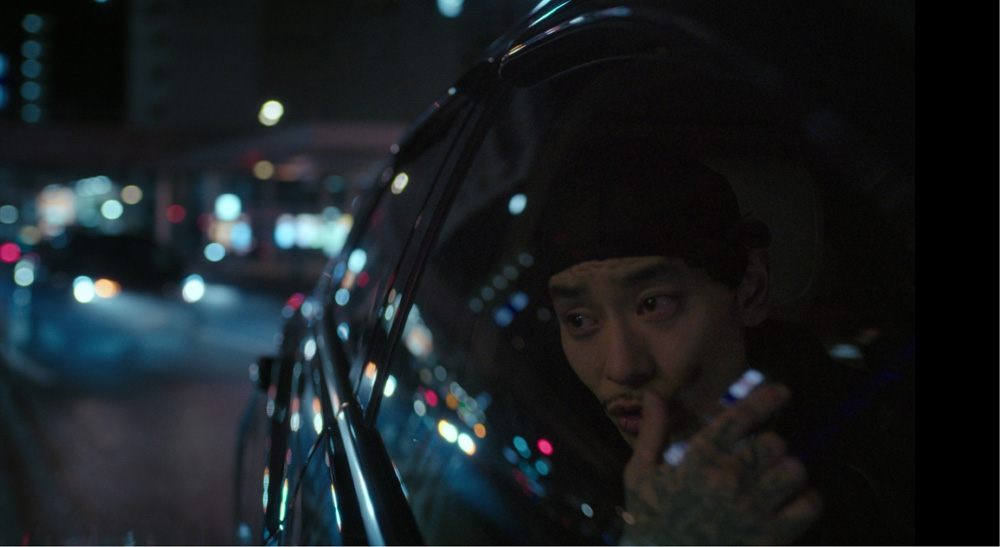
The third week of February showcased a vibrant array of live events and performances that kept the Japanese hip-hop scene buzzing. From major concert venues to underground clubs, the week highlighted the energy, creativity, and cultural significance of hip-hop in Japan. Fans across Tokyo, Osaka, Kyoto, and beyond were treated to a mix of veteran performances, rising artist showcases, and collaborative sets that emphasized the community-driven nature of the culture.
Whether it was big-name tours or intimate gatherings, these events reinforced how live performances remain central to Japanese hip-hop.
Awich Headlines Live Performances
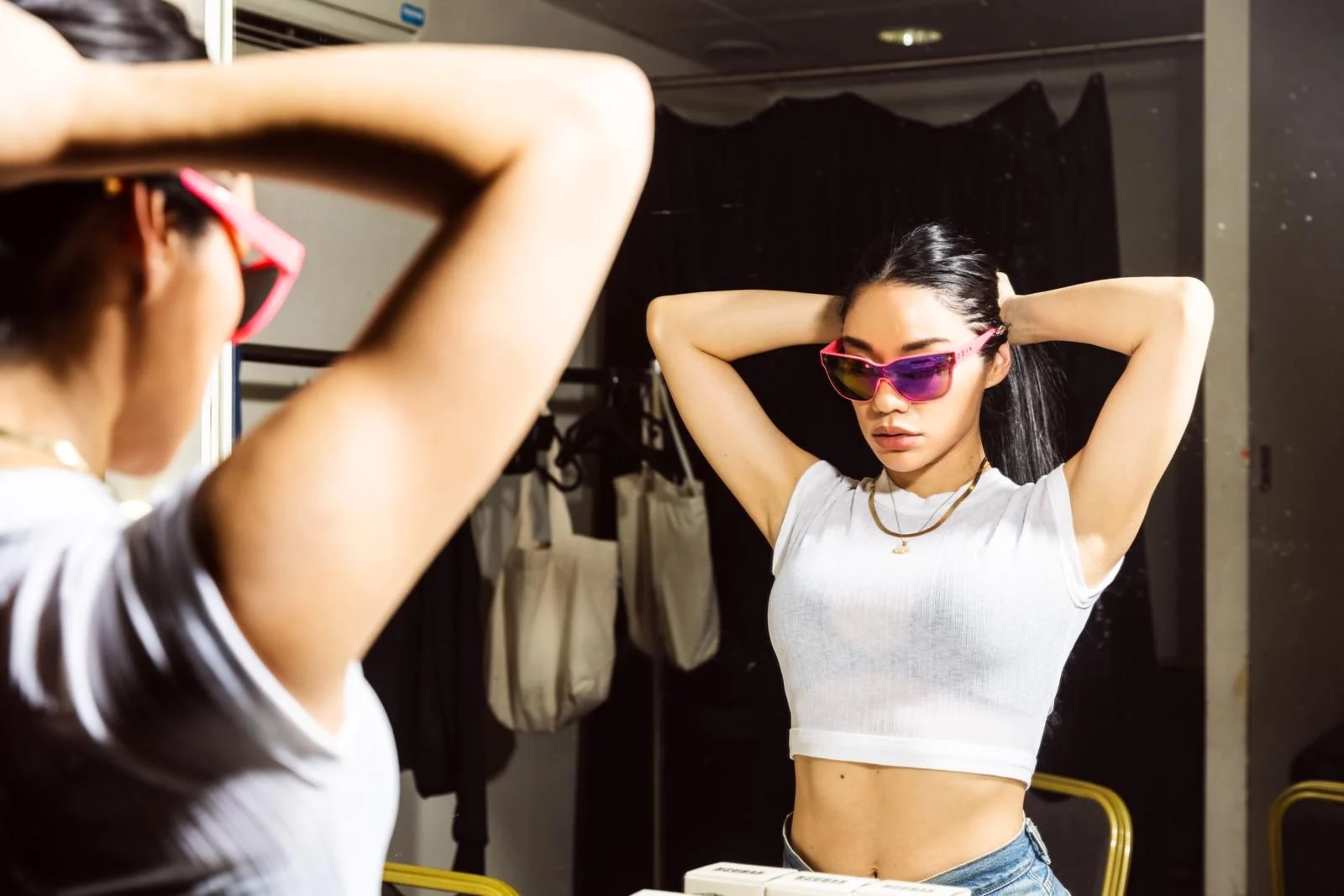
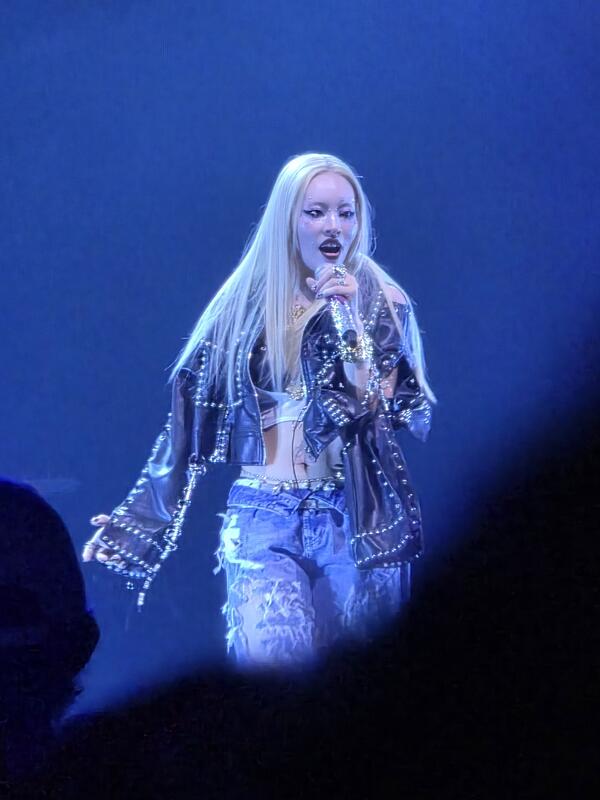
Awich delivered a series of high-profile performances that dominated conversation this week. Her shows combined theatrical stage design, sharp lyricism, and strong visual branding, creating experiences that fans described as unforgettable.
Each set highlighted her ability to command attention while maintaining authenticity, blending Okinawan influences with modern hip-hop production. Fans responded positively on social media, sharing clips and praising both her vocal delivery and the immersive nature of her shows.
¥ellow Bucks Brings Street Energy to the Stage
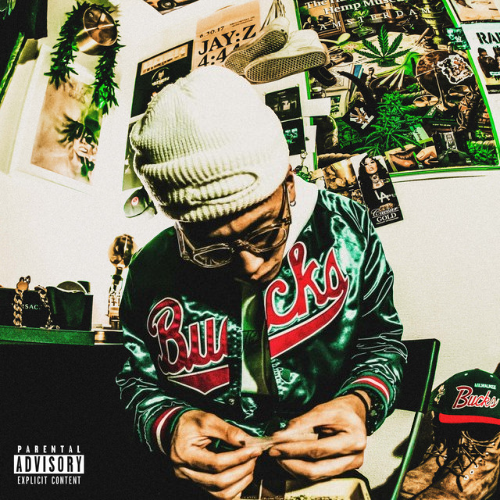
In Tokyo and Osaka, ¥ellow Bucks performed tracks from his latest releases. His energetic performances emphasized crowd interaction and raw lyricism, reinforcing his reputation as a pillar of street-level Japanese hip-hop.
Venues were packed with fans eager to experience the authenticity of his music live. The week’s performances highlighted how live shows remain a critical way for hip-hop artists to connect directly with their audience beyond streaming platforms.
BAD HOP Members Showcase Solo and Group Talent
Members of BAD HOP kept their presence felt with a mix of solo and collaborative performances. Fans praised these events for the balance between storytelling, aggressive flows, and melodic experimentation.
Smaller venues allowed for intimate interactions, while larger stages amplified the group’s energy and influence. The performances underscored BAD HOP’s ongoing impact on Japanese hip-hop culture and their ability to maintain relevance through both collective and individual artistry.
Rising Talent and Underground Spotlights
This week also saw a number of underground showcases and pop-up performances that brought attention to emerging artists. Rappers and producers like Kohjiya, HANA, and experimental beatmakers connected with small, devoted audiences.
These shows emphasized the grassroots nature of Japanese hip-hop, highlighting how underground spaces continue to shape sound, style, and culture. Fan interaction, freestyle moments, and experimental beats made these events some of the most talked-about within online communities.
Collaborative Sets and Festivals
Several festivals this week featured collaborative performances, bringing together DJs, vocalists, and rappers in shared sets. These events provided platforms for genre-blending, demonstrating the fluidity of Japanese hip-hop and the creative synergy between mainstream and underground acts.
Attendees noted the energy of the collaborations and the sense of community that pervaded the venues. These events reinforced how collaboration is central to the culture’s evolution, encouraging experimentation and cross-artist inspiration.
Visual Culture and Fashion on Display
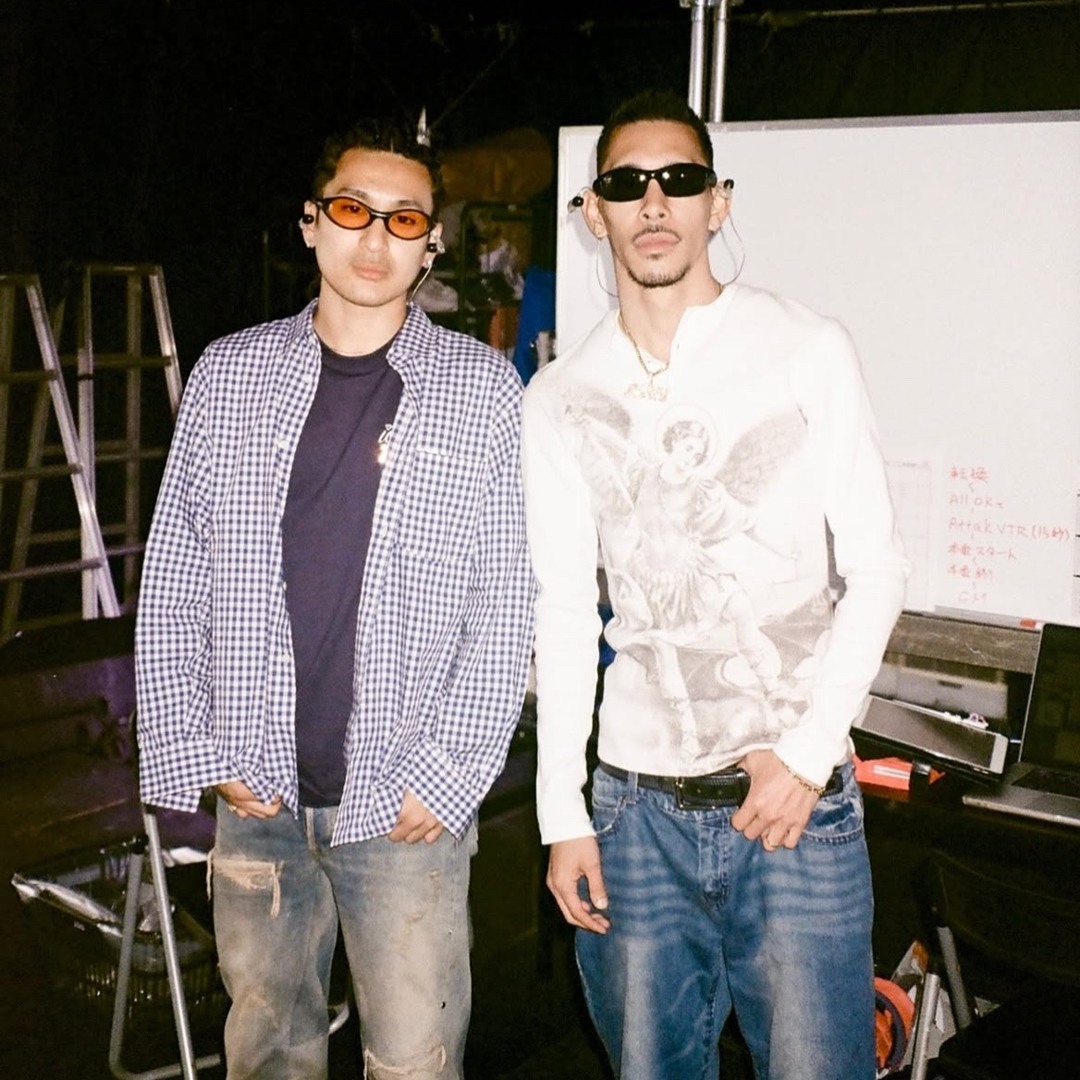
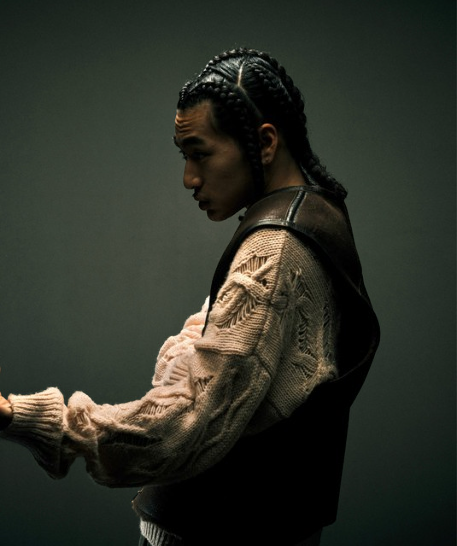
Fashion remained a significant part of the events this week. Artists posted behind-the-scenes content, stage looks, and studio visuals, sparking fan discussions about streetwear trends and artistic identity. Visual presentation continues to be an integral part of Japanese hip-hop, turning performances into multidimensional experiences.
For many fans, attending live shows is as much about music as it is about witnessing style, culture, and creative expression in action.
Social Media Amplifies the Scene
Social media played a major role in spreading the week’s energy beyond physical venues. Fans posted videos, photos, and reactions in real-time, generating buzz and extending conversations about performances, standout moments, and future collaborations.
Online platforms continue to be crucial for Japanese hip-hop, bridging geographic gaps and amplifying both mainstream and underground voices.
Why These Events Matter
Week three demonstrated that Japanese hip-hop thrives on live engagement, collaboration, and community. Artists like Awich, ¥ellow Bucks, and BAD HOP members continued to solidify their influence, while underground talent added depth and innovation.
From large-scale venues to intimate performances, the week proved that live events remain central to Japan’s hip-hop identity — connecting artists with fans, shaping cultural trends, and pushing the scene forward.