
Major Gossip and Industry Buzz in Japanese Hip-Hop This Week
Japanese hip-hop never stops evolving, and the second week of February brought a mix of cultural gossip, industry chatter, and behind-the-scenes news that kept fans talking. Beyond music releases and live events, this week showed how artist behavior, collaborations, and industry moves shape fan perceptions and influence the broader scene.
From rising controversies to light-hearted fan debates, the week’s buzz offered insight into the dynamics that define Japan’s urban music culture.
Veteran Statements Spark Industry Debate
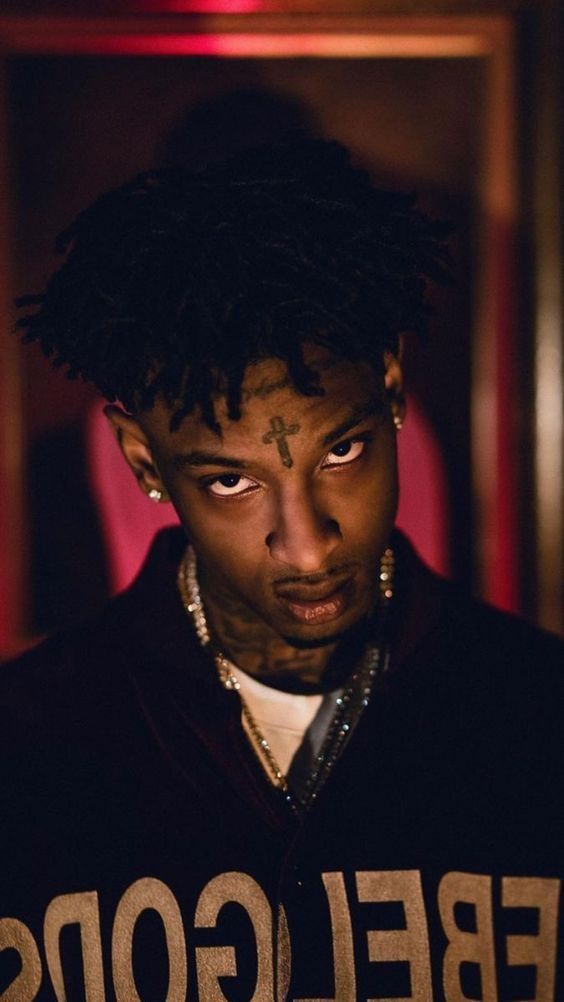
One of the key talking points was comments from Hannya, who reflected publicly on career decisions and creative direction. His statements sparked debate about the role of veteran artists in shaping the culture and mentoring newer talent.
Fans dissected his words online, discussing whether stepping back or reinventing one’s style is better for long-term relevance. This conversation highlighted the ongoing tension between legacy and innovation in Japanese hip-hop.
Rising Artists Gain Spotlight Amid Collaboration Rumors
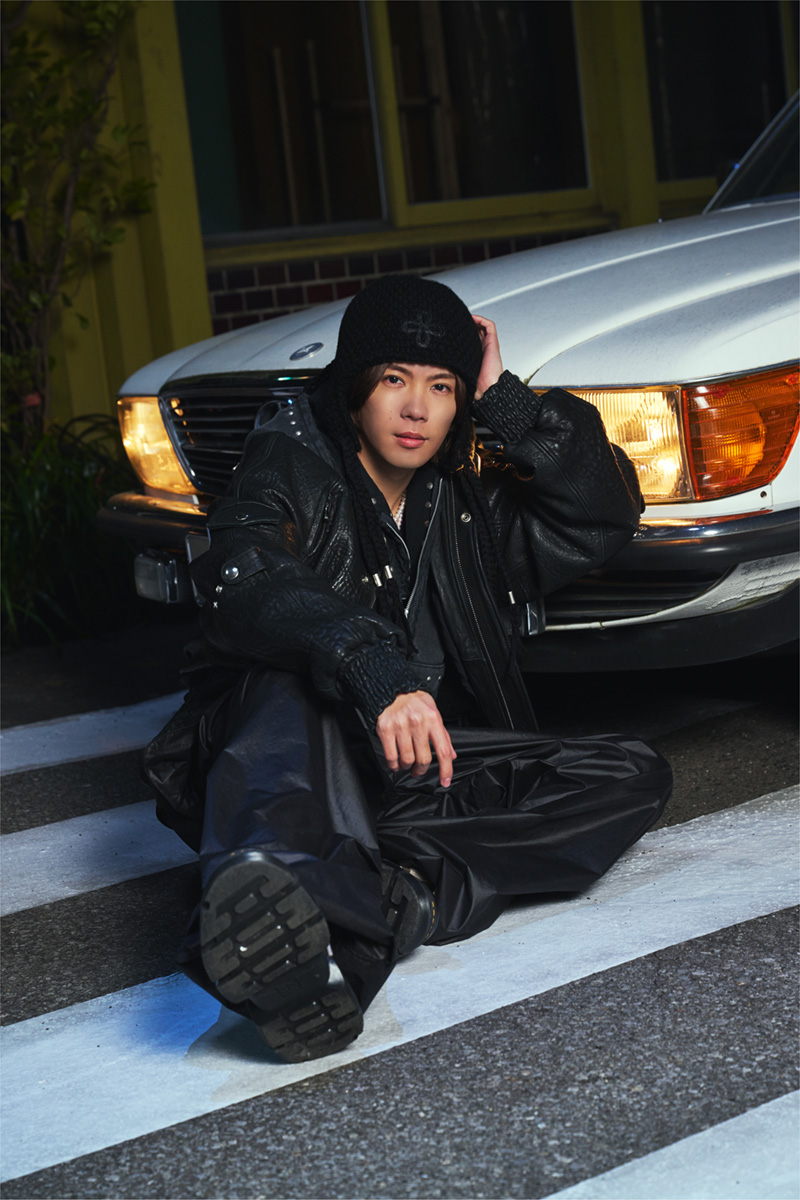
Rumors of upcoming collaborations dominated social media this week. Names like Kohjiya and Awich were mentioned in potential joint projects, stirring excitement among fans.
Even without official announcements, speculation about who will work with whom keeps timelines active and encourages discussions about artistic direction, influence, and style compatibility. These discussions reinforce how Japanese hip-hop thrives through fan engagement as much as through music itself.
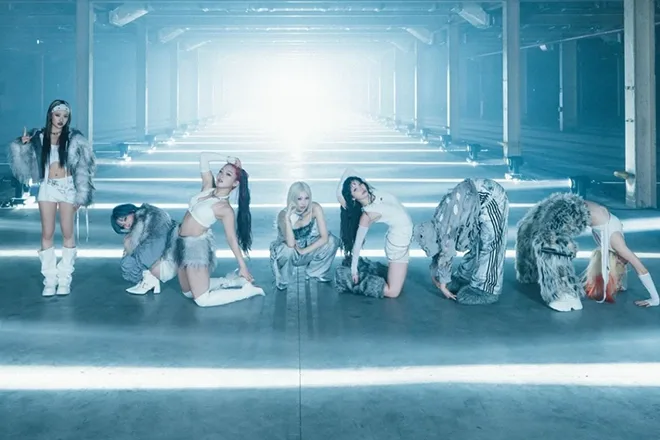
@onefive Sparks Debates Over Pop-Hip-Hop Crossover
The ongoing visibility of @onefive continued to fuel conversation about pop-leaning acts in hip-hop spaces. While some fans praise the group for expanding the culture’s reach, others question how pop influence affects the authenticity of hip-hop in Japan.
This debate illustrates a broader cultural tension: balancing commercial appeal with the underground ethos. Despite differing opinions, @onefive remains central to conversations about the genre’s evolving identity.
Venue Choices Stir Fan Reactions
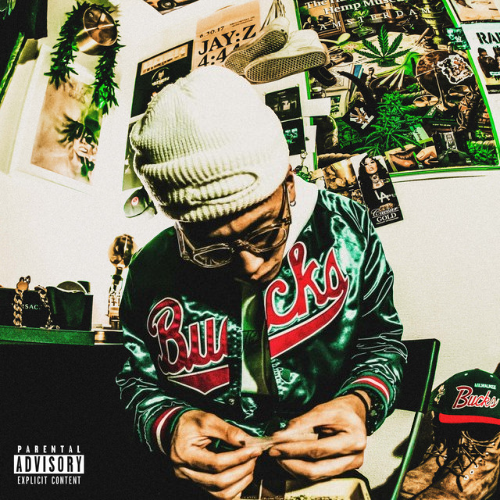
This week also saw discussions around performance spaces. Large halls versus intimate venues became a topic of debate after several artists opted for big locations for their shows. Fans expressed mixed feelings, balancing excitement for accessibility with concerns over losing the energy of smaller, more personal performances.
Artists like ¥ellow Bucks and BAD HOP were mentioned repeatedly as examples, showing how venue strategy continues to influence fan perceptions.
Fashion, Branding, and Social Media Hype
Beyond music and performance, fashion and social media presence played a major role in the week’s gossip. Artists posting behind-the-scenes content, stage outfits, and studio looks sparked conversations about style trends and cultural identity within the scene.
For many fans, visual identity is inseparable from music, turning every post into a topic of discussion. This shows how Japanese hip-hop culture is multidimensional, with fashion and aesthetics shaping how audiences perceive artists and their releases.
Underground Scene Buzz
While mainstream gossip dominates timelines, underground spaces continued to cultivate their own discussions. Pop-up shows, collaborative sessions, and local freestyles generated buzz among niche communities, with recordings circulating online.
These conversations often highlight fresh talent, production innovations, and emerging trends, proving that the underground remains a critical component of Japan’s hip-hop ecosystem.
Why the Juice Matters
The second week of February demonstrates that gossip and industry buzz in Japanese hip-hop are more than idle chatter—they reflect the culture’s priorities, fan engagement, and artist influence. From veteran reflections and collaboration rumors to social media trends and venue debates, these conversations shape perceptions and help define what matters in the scene.
In essence, the Juice this week showed that Japanese hip-hop thrives on dialogue, not just music. Fans, critics, and artists alike contribute to a vibrant ecosystem where influence, authenticity, and visibility intersect, keeping the culture dynamic and forward-looking.