
Japanese Hip-Hop Juice Dominating the Conversation
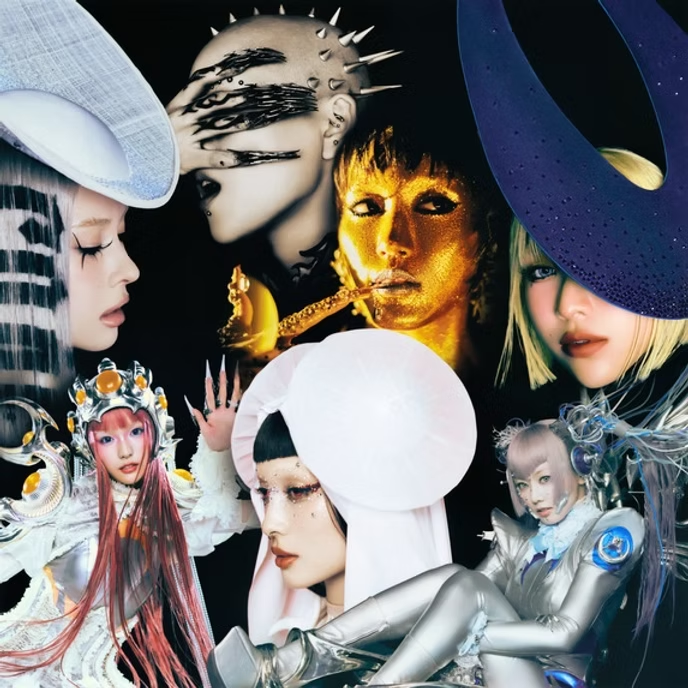
The first week of March brought more than just music releases and live performances to the Japanese hip-hop scene. Behind the scenes, fans and industry insiders were busy discussing rumors, collaborations, and artist movements that kept social media timelines and fan communities active. From speculation about upcoming projects to debates about the direction of the culture, this week’s Juice reflected how vibrant and engaged the Japanese hip-hop community has become.
While music remains the center of attention, these conversations often reveal deeper insights into artist relationships, fan expectations, and the evolving identity of the genre in Japan.
Awich’s Influence Sparks Online Discussion
One of the biggest topics of conversation revolved around Awich and her continued influence in the Japanese hip-hop space. Fans have been actively discussing her recent performances and music, with many pointing out how she continues to redefine what mainstream success looks like for female rappers in Japan.
Some fans praised her ability to combine strong storytelling with high-quality production, while others debated which direction her future music might take. These conversations show how Awich has become a central figure in shaping modern Japanese hip-hop culture.
Collaboration Rumors Surround ¥ellow Bucks
Speculation also surrounded ¥ellow Bucks, as fans began discussing potential collaborations with other artists in the scene. Social media posts and studio images sparked rumors that new joint projects might be in development.
Although nothing has been officially confirmed, the possibility of collaborations involving ¥ellow Bucks generated excitement among listeners who enjoy the raw, street-oriented style he brings to his music. These rumors demonstrate how anticipation can build momentum even before a track is officially announced.
BAD HOP Legacy Still Drives Conversation
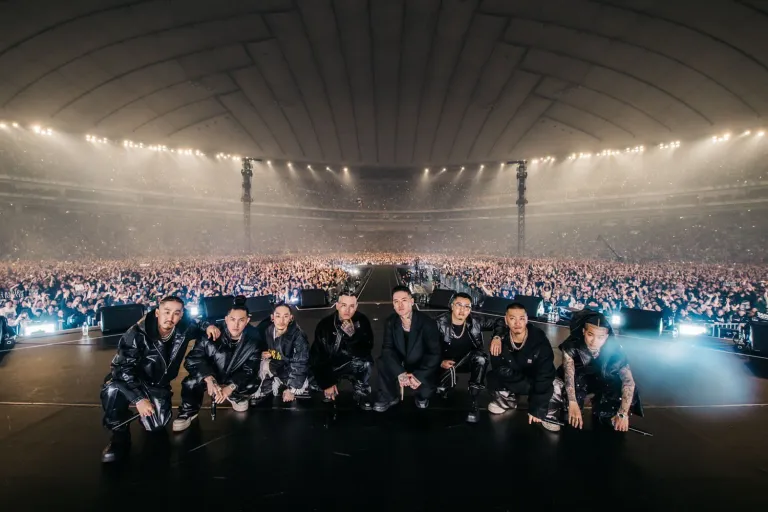
Even after shifting focus toward individual projects, BAD HOP remains a major subject of discussion among fans. Many conversations this week centered on how the group’s legacy continues to influence both new artists and the broader direction of Japanese hip-hop.
Some fans debated which members are having the most success as solo performers, while others reflected on the group’s past releases and their impact on the culture. The ongoing interest proves that BAD HOP’s contribution to Japanese hip-hop continues to resonate long after their peak collective activity.
Rising Artists Capture Attention
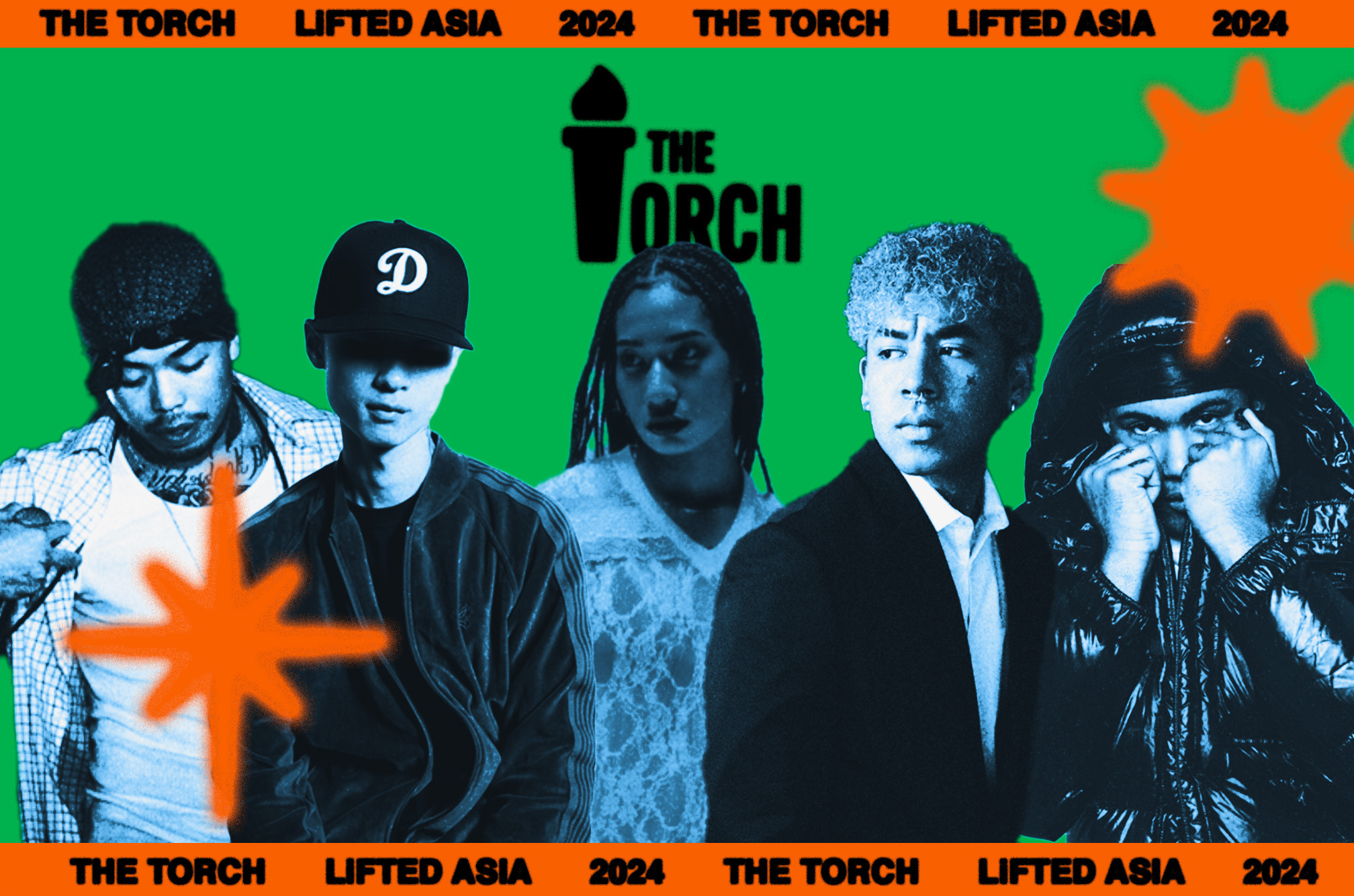
The week also saw growing interest in newer artists like Kohjiya, who has been steadily building recognition for his introspective style and smooth delivery. Fans praised his recent work and predicted that he could become one of the next breakout names in Japanese hip-hop.
Discussions about rising talent are an important part of the scene, as they highlight how new voices continue to refresh the culture and introduce fresh perspectives.
Pop and Hip-Hop Crossover Debate Continues
Another ongoing conversation involved the increasing crossover between pop and hip-hop in Japan. Groups like XG often sit at the center of these discussions because their music blends hip-hop elements with mainstream pop production.
While many fans celebrate the global attention that crossover acts bring to Japanese music, others argue that hip-hop should maintain a stronger connection to its underground roots. This debate reflects the broader tension between commercial success and cultural authenticity that many hip-hop scenes around the world experience.
Fashion and Image Drive Fan Engagement
Fashion also played a role in this week’s Juice, with artists sharing photos from performances, studio sessions, and public appearances. Fans analyzed outfits, discussed streetwear trends, and compared the visual styles of different artists.
In Japanese hip-hop, visual identity often carries as much weight as the music itself. Stage outfits, music video aesthetics, and social media visuals all contribute to the narrative surrounding an artist.
Social Media Keeps the Scene Alive
Platforms like Instagram, TikTok, and Twitter continued to amplify the week’s conversations. Fans shared concert clips, reaction videos, and personal opinions about the latest developments in the scene. These posts not only keep fans engaged but also help emerging artists reach wider audiences.
The speed at which information spreads online means that even small moments—like a studio photo or a brief collaboration hint—can quickly become major talking points.
Why the Juice Matters
Gossip, speculation, and fan discussions are an essential part of hip-hop culture. They reflect the passion of the community and provide insight into how fans interpret the actions and music of their favorite artists.
The first week of March demonstrated that Japanese hip-hop is not just a music genre but a living culture driven by conversation, creativity, and community engagement. As long as artists continue to inspire debate and excitement, the scene will remain vibrant and constantly evolving.