
Japanese Hip-Hop Gossip and Industry Buzz This Week
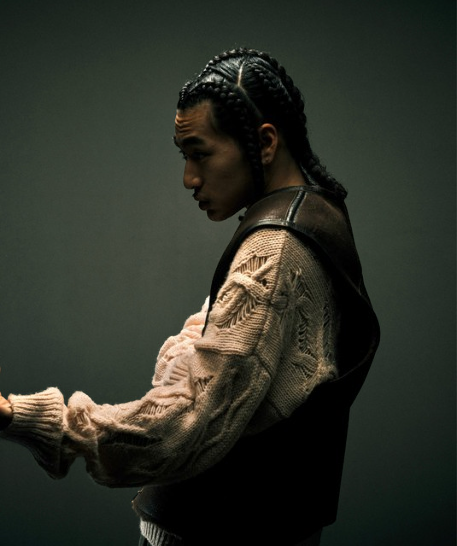
The third week of February in Japanese hip-hop was filled with discussions, rumors, and fan-driven conversations that went beyond music releases. From collaboration speculation to debates over venue choices and emerging talent, the culture remained lively both online and offline. This week’s Juice highlighted how Japanese hip-hop continues to evolve, with artist behavior, social media presence, and industry moves shaping public perception.
Veteran Statements Create Conversation
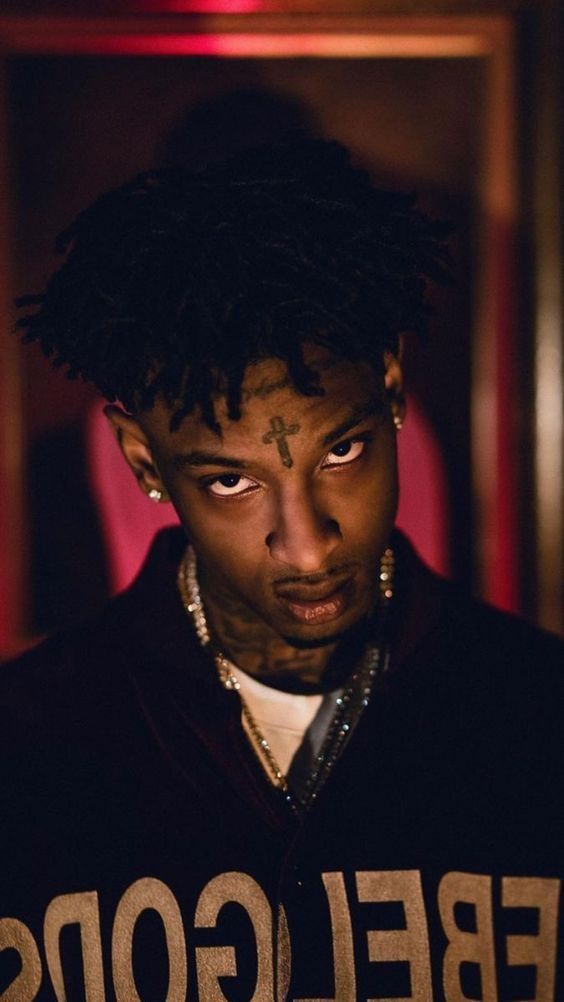
Hannya sparked discussion by reflecting publicly on his career trajectory and upcoming projects. His comments reignited debate about the role of veteran artists in mentoring younger talent and maintaining cultural relevance.

Fans dissected his statements on forums and social media, questioning whether stepping back or experimenting creatively is better for sustaining influence. This conversation underscores how legacy artists continue to shape Japan’s hip-hop scene through both presence and commentary.
Collaboration Rumors Drive Fan Speculation
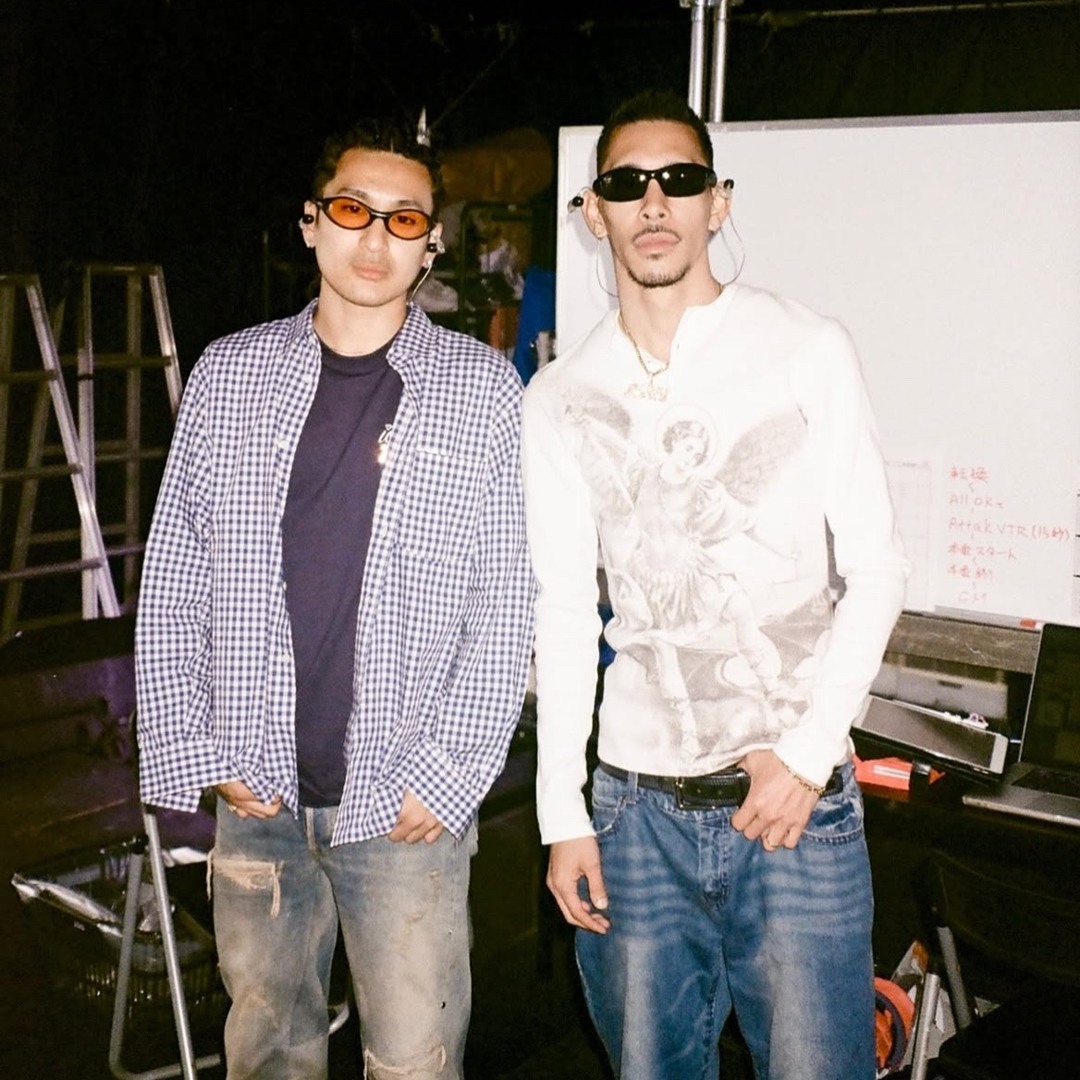
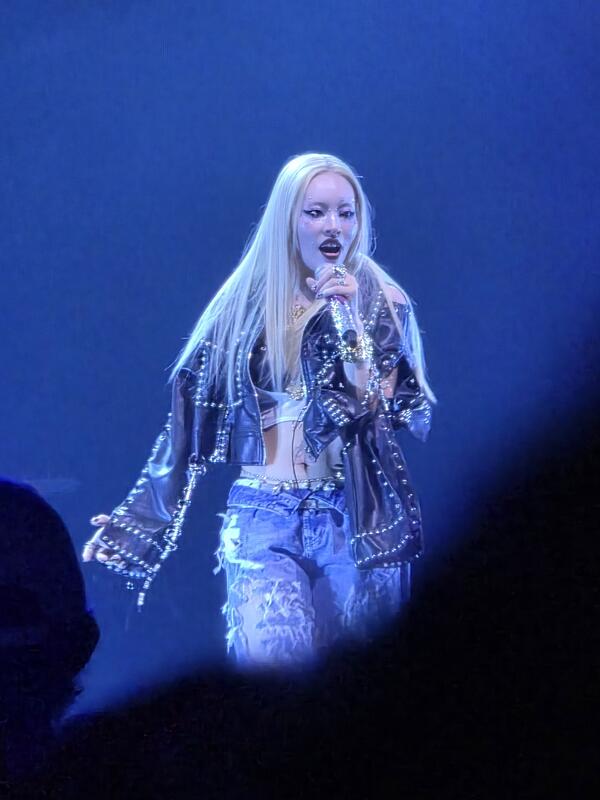
The week was rife with rumors about potential collaborations between artists like Awich, Kohjiya, and groups such as XG.
Even without official announcements, fan discussions were intense, with speculation about style compatibility, thematic direction, and potential chart impact. This kind of online buzz demonstrates how Japanese hip-hop thrives on anticipation and community engagement, keeping audiences invested in both music and artist narratives.
Pop-Hip-Hop Debate Continues With @onefive
@onefive remained at the center of debates about the influence of pop elements on hip-hop culture. While some fans celebrated their mainstream success, others questioned how heavily pop-leaning acts should feature in hip-hop conversations.
The discussion reflects broader concerns about balancing commercial reach with cultural authenticity. Despite differing opinions, @onefive continues to shape dialogues about genre fluidity in Japan.
Venue Choices and Performance Reactions
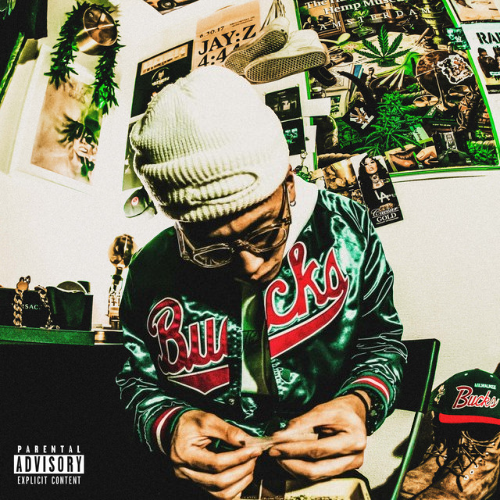
This week’s performances sparked debates about venue selection. Fans weighed in on large concert halls versus intimate club settings, often citing artists like ¥ellow Bucks and BAD HOP as examples.
Discussions focused on how venue size affects performance energy, audience interaction, and overall fan experience. These debates illustrate that decisions beyond music—like show environment—can heavily influence how artists are perceived.
Fashion and Visual Identity Fuel Gossip
Artist visuals, stage outfits, and behind-the-scenes posts were a major source of conversation. Fans compared fashion choices, praised standout looks, and speculated about stylist collaborations.
Japanese hip-hop’s emphasis on visual identity reinforces its multidimensional nature. Fashion choices are now inseparable from music, turning every Instagram or Twitter post into a topic of discussion and adding layers to artist branding.
Underground Buzz
While mainstream gossip dominates, underground spaces continued to generate their own Juice. Pop-up shows, experimental beat sessions, and collaborative freestyles provided talking points among niche communities.
These discussions highlight emerging talent and trends, showing that Japan’s hip-hop culture is nurtured as much in small venues and social media circles as it is on big stages and major releases.
Why This Week’s Juice Matters
The third week of February showed that gossip and industry discussions are an integral part of Japanese hip-hop. From veteran reflections and collaboration rumors to social media trends and venue debates, these conversations shape fan perception, cultural trends, and artist influence.
In essence, the Juice this week proved that Japanese hip-hop thrives on dialogue and community engagement, not just musical output. Fans, artists, and critics alike drive the culture forward, keeping it dynamic, authentic, and relevant.