


Dark Beats, Sharp Bars: The Rise of Japanese Drill & Trap
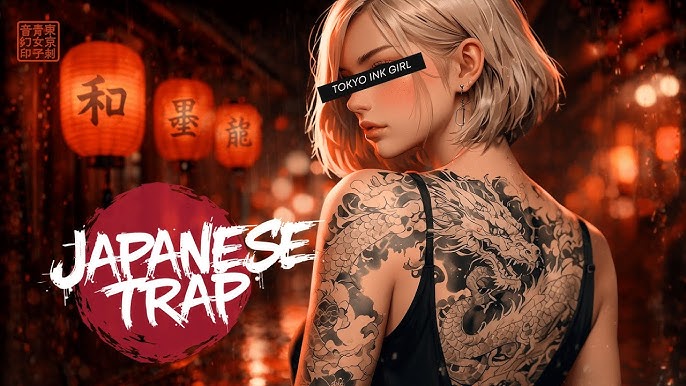
Japanese hip-hop has never been afraid to experiment, but right now, drill and trap are cutting through the scene with serious force. What makes Japan’s take different is how these sounds are reshaped—less chaos, more precision. The result is a darker, colder, and more atmospheric wave that feels uniquely Tokyo, Osaka, and Yokohama.
This isn’t imitation. It’s adaptation.
How Drill & Trap Found a Home in Japan
Drill and trap entered Japan through the internet first—YouTube, SoundCloud, and later TikTok. Chicago drill, UK drill, and Atlanta trap influenced the sound, but Japanese artists didn’t copy the attitude blindly. Instead, they reworked the aggression into something more controlled and introspective.
Japanese drill often feels quieter but heavier. The tension sits beneath the beat. Lyrics lean into realism, isolation, ambition, and survival in urban Japan rather than exaggerated violence. It’s street music, but filtered through discipline and restraint.
Tokyo’s Dark Soundscape
Tokyo’s drill scene thrives at night. The beats are minimal, bass-heavy, and cold. Producers favor eerie melodies, slow tempos, and wide sonic space. Silence matters just as much as sound.
Artists like Tohji, Jin Dogg, and Hideyoshi helped push trap aesthetics into the mainstream while keeping underground credibility. Their music feels cinematic—perfect for late-night drives through neon-lit streets.
What stands out most is delivery. Japanese rappers often use calm, almost emotionless flows over menacing beats. That contrast makes the music hit harder.
Osaka’s Raw Edge
While Tokyo leans polished, Osaka brings grit. Osaka trap and drill artists are more confrontational, louder, and emotionally direct. There’s less mystery and more hunger.
Osaka rappers often rap about coming up from nothing, dealing with social pressure, and carving space in a society that values conformity. Trap becomes a tool for self-assertion. The energy is raw, unfiltered, and unapologetic.
This regional contrast adds depth to Japanese hip-hop as a whole. Different cities, different pain, same hunger.
Language as a Weapon
One of the most interesting parts of Japanese drill is how language is used. Japanese syllables sit differently on beats compared to English, forcing artists to invent new rhythms and flows.
Slang, local dialects, and code-switching between Japanese and English give tracks a global feel while staying local. Even listeners who don’t understand the language can feel the emotion, tension, and intent.
That’s power.
Producers Changing the Game
Behind the scenes, producers are the real architects of this movement. Japanese trap and drill producers experiment with distorted 808s, off-beat hi-hats, and unconventional drum patterns.
Many beats sound closer to sound design than traditional hip-hop production. Anime-inspired melodies, industrial noise, and ambient textures blend seamlessly with trap drums. This creates a futuristic sound that feels ahead of global trends rather than behind them.
Fashion, Imagery & Identity
Drill and trap in Japan come with a distinct visual language. Music videos favor dark lighting, empty streets, brutalist architecture, and minimalist fashion. Black, gray, and muted tones dominate.
Streetwear plays a major role—oversized silhouettes, tactical looks, luxury-meets-underground aesthetics. The visuals reinforce the music’s themes: isolation, ambition, control, and survival.
It’s less about flexing wealth and more about projecting presence.
Online Platforms Fueling the Wave
Streaming platforms and social media have been crucial. Artists can build cult followings without radio or major-label backing. Short clips, underground visuals, and low-budget videos often outperform polished mainstream content.
This digital-first approach allows drill and trap artists to move fast, test sounds, and connect directly with fans. Japan’s youth is tuned in—and they’re shaping what comes next.
Why This Wave Matters
Japanese drill and trap aren’t just trends. They represent a shift in how young artists express frustration, ambition, and identity in a highly structured society. The music gives space to emotions that don’t always fit neatly into everyday life.
As global audiences continue to discover this sound, Japan’s drill and trap scene is positioned to influence the next evolution of hip-hop worldwide.
Dark. Controlled. Forward-thinking.