

Anime Bars & Trap Beats: How Hip-Hop and Otaku Culture Collide
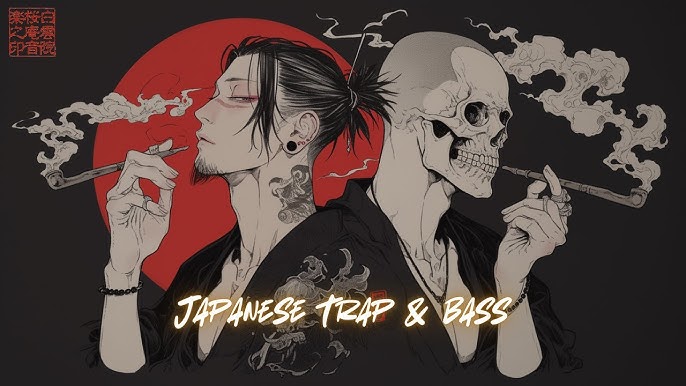
In Japan, the line between hip-hop and anime isn’t just blurred — it’s electric. A new generation of artists is fusing lo-fi trap with neon visuals, manga references, and otaku flair, crafting a sound that feels equal parts Tokyo street and Shonen Jump fantasy.
From Panels to Punchlines
Japanese rappers have long pulled influence from anime and manga, but the new wave has turned it into a lifestyle. Artists like LEX, JP The Wavy, and Kohh flip bars referencing classic series like Naruto, Bleach, and Attack on Titan, blending lyrical intensity with the storytelling style of anime protagonists.
LEX’s visuals often mirror anime color palettes — saturated, surreal, and cinematic — while Kohh’s raw storytelling mirrors anti-hero arcs straight from underground manga.
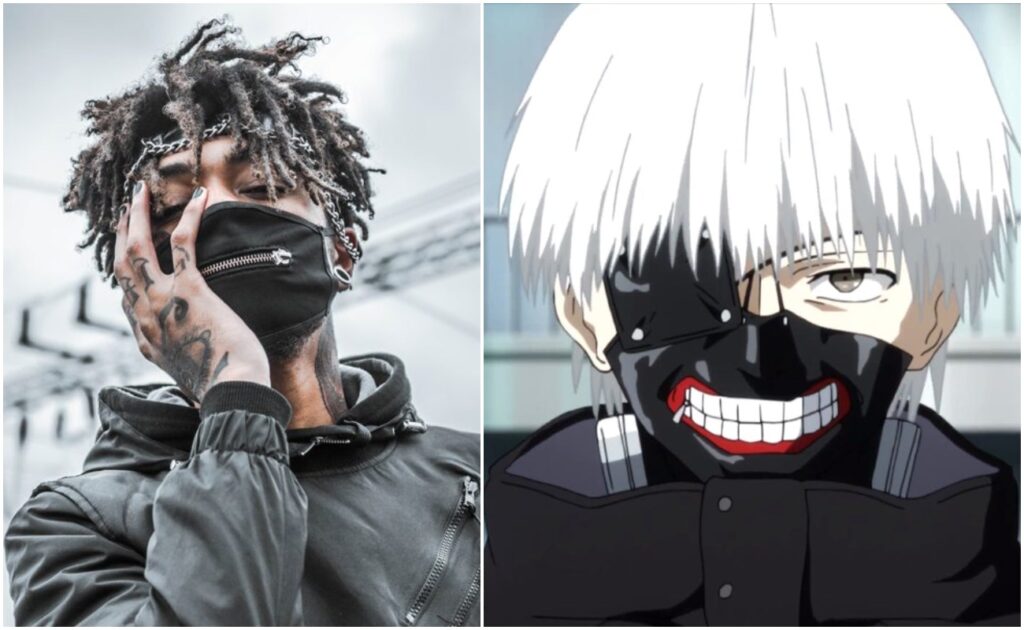
Producers Powering the Dreamscape
Behind these sounds are sonic architects like Chaki Zulu, KM, and VLOT, who merge trap 808s with ambient anime samples and hyperpop synths. Their beats sound like Tokyo’s Akihabara after midnight — glitchy, emotional, futuristic.
Tracks like JP The Wavy’s “Louis 8” or Awich’s “Queendom” use these soundscapes to amplify identity, pride, and cultural depth. Producers are even sampling anime OSTs, from Cowboy Bebop to Neon Genesis Evangelion, weaving nostalgia into bass-heavy beats.
Otaku Energy, Street Confidence
In the 2010s, being an otaku meant being niche. In 2025, it’s street cred. Artists rock anime merch in music videos, reference obscure manga in freestyles, and collaborate with animation studios.
Awich’s visual projects borrow heavily from Studio Ghibli’s color theory, while newer acts like Toji, Rinne, and Dino Jr. perform with animated backdrops or digital avatars — blending live hip-hop with virtual art.
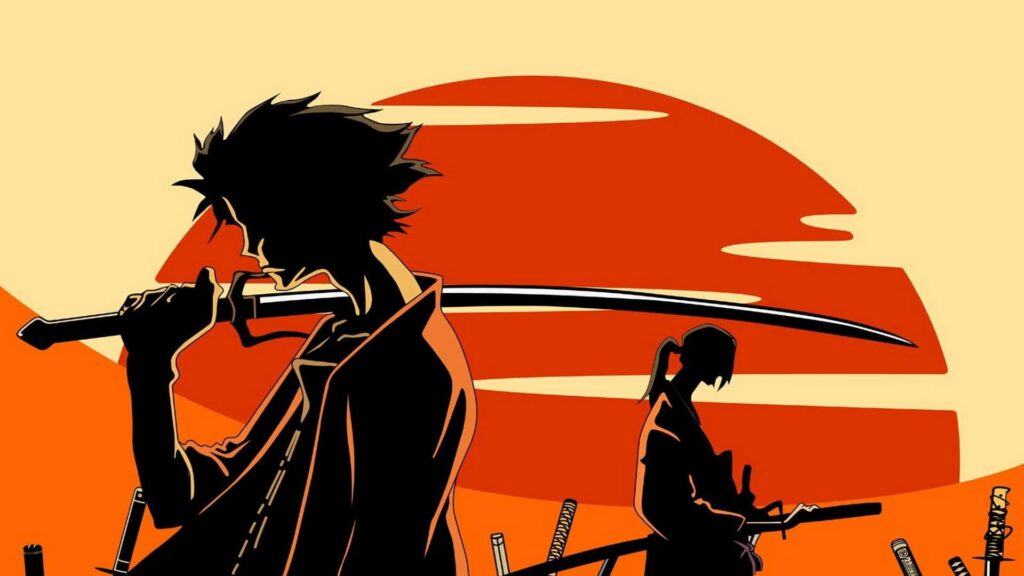
Cultural Rebirth Through Collaboration
Major collabs are reinforcing the movement. Brands like UNIQLO UT and Shibuya PARCO sponsor anime-hip-hop crossovers, while platforms like YouTube Japan push hybrid artists into global algorithms. Even international anime influencers are syncing Japanese rap into AMVs and TikToks, spreading the culture worldwide.
This new wave isn’t about mimicry — it’s about cultural translation. The same passion that drives manga creators now drives Japan’s new hip-hop storytellers.
Legacy in Motion
The fusion of anime and hip-hop isn’t just an aesthetic trend; it’s Japan rewriting its artistic language. It’s emotional, cinematic, and deeply rooted in the nation’s dual love for visual storytelling and rhythmic rebellion.
From the backstreets of Osaka to Shibuya’s neon skyline, Japan’s young rappers are proving that bars and anime panels share the same ink — it’s just drawn to a different beat.