
 hiphoptokyo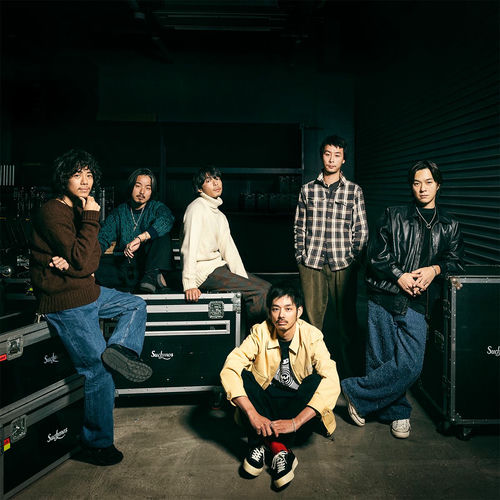
By Eli Jesse
Japan’s live music culture has always carried a different energy compared to studio-driven scenes elsewhere, and in 2026 that energy is becoming even more visible through acts like Suchmos. While not a pure hip-hop group, their influence sits right in the middle of Japan’s evolving hip-hop-adjacent soundscape.
This May, their presence in the live circuit is part of a broader wave where hip-hop is no longer confined to rap stages alone. Instead, it is merging with jazz, funk, soul, and alternative rock in performances across major Japanese cities like Osaka, Nagoya, and Tokyo.
A Blended Sound That Defines the Moment
What makes Suchmos stand out in Japan’s current live scene is not just their popularity, but their sound design. Their music pulls from jazz grooves, funk basslines, and laid-back hip-hop rhythms, creating a hybrid style that feels both modern and nostalgic.
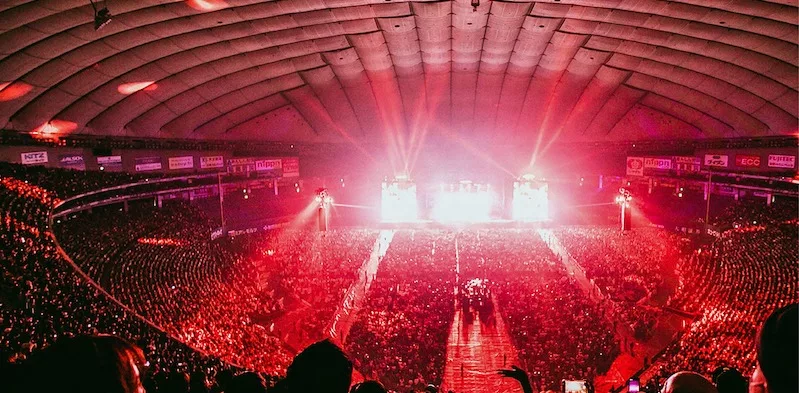
On stage, this blend becomes even more powerful. Live instrumentation replaces digital-heavy beats, giving audiences a more organic experience compared to typical rap performances. The result is a concert atmosphere that feels closer to a jam session than a traditional hip-hop show.
This shift reflects a larger trend in Japan: audiences are increasingly drawn to live musical authenticity rather than purely studio-polished tracks.
The May Concert Wave Across Japan
May has become a strong month for live performances in Japan, with venues in Osaka and Nagoya seeing increased activity around genre-blending acts. While traditional hip-hop artists continue to dominate club scenes and streaming charts, bands like Suchmos are shaping the live crossover space.
Instead of separating genres, Japan’s live circuit is mixing them:
- Hip-hop artists performing alongside jazz musicians
- Funk bands collaborating with rappers
- Alternative groups drawing hip-hop crowds into live venues
This creates a shared audience experience where genre boundaries become less important than energy and performance.
Why This Matters for Japan’s Hip-Hop Evolution
The presence of Suchmos in discussions around Japan’s hip-hop culture highlights an important shift: hip-hop in Japan is no longer just about rap verses and beats—it’s about atmosphere.
In many ways, Japan is developing a unique version of hip-hop culture that is more performance-driven than industry-driven. While Western hip-hop often focuses heavily on lyrical competition and streaming numbers, Japan is leaning into live musical fusion.
This doesn’t replace traditional rap—it expands it.
Artists inspired by hip-hop are now more open to experimenting with live instruments, improvisation, and cross-genre collaborations. That evolution is making Japan’s scene one of the most creatively diverse in the global hip-hop ecosystem.
Osaka and Nagoya as Rising Live Hubs
Tokyo remains the central hub for Japan’s entertainment industry, but cities like Osaka and Nagoya are becoming increasingly important for live experimentation.
Osaka, in particular, has developed a reputation for energetic crowds and genre-blending performances. Nagoya is following closely, hosting smaller but highly engaged audiences that support experimental acts.
This decentralization is helping Japan’s music scene avoid being too Tokyo-centric, allowing regional cities to shape their own cultural identities within the broader hip-hop and live music ecosystem.
Conclusion
The presence of Suchmos in Japan’s May 2026 live circuit represents more than just another tour cycle. It reflects a broader transformation in how hip-hop culture is experienced in Japan.
Rather than staying confined to rap battles, studio albums, or streaming charts, hip-hop influence is spreading into live instrumentation, jazz fusion, and alternative performance culture.