
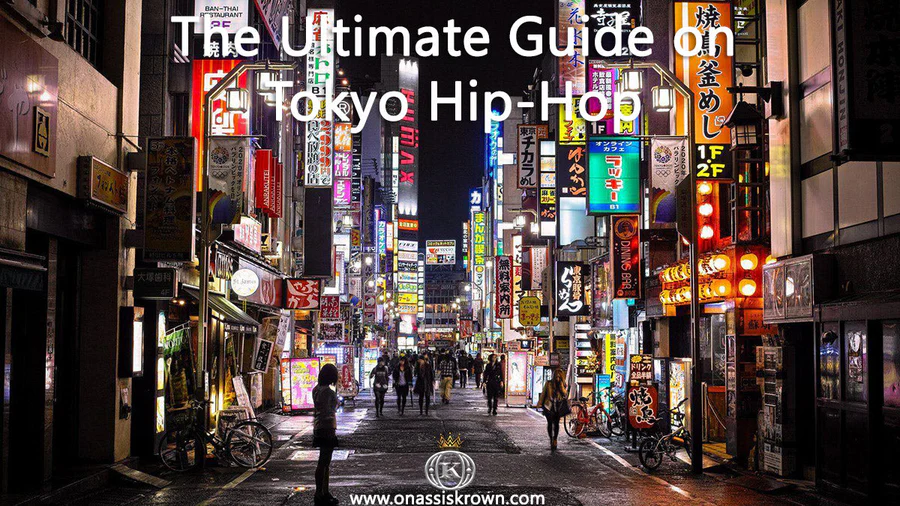
Tokyo Hip-Hop Fashion Influence: Streetwear, Club Culture, and Underground Identity
Tokyo hip-hop is not only defined by sound—it is also defined by style. Fashion plays a central role in shaping how artists, DJs, and fans express identity across the city’s hip-hop ecosystem. From Shibuya’s luxury-heavy nightlife to underground cypher spaces in hidden districts, fashion in Tokyo hip-hop is a visual language that communicates status, creativity, and belonging.
In April 2026’s early scene, fashion continues to blur the line between music culture and street identity.
Shibuya: Luxury Meets Hip-Hop Energy
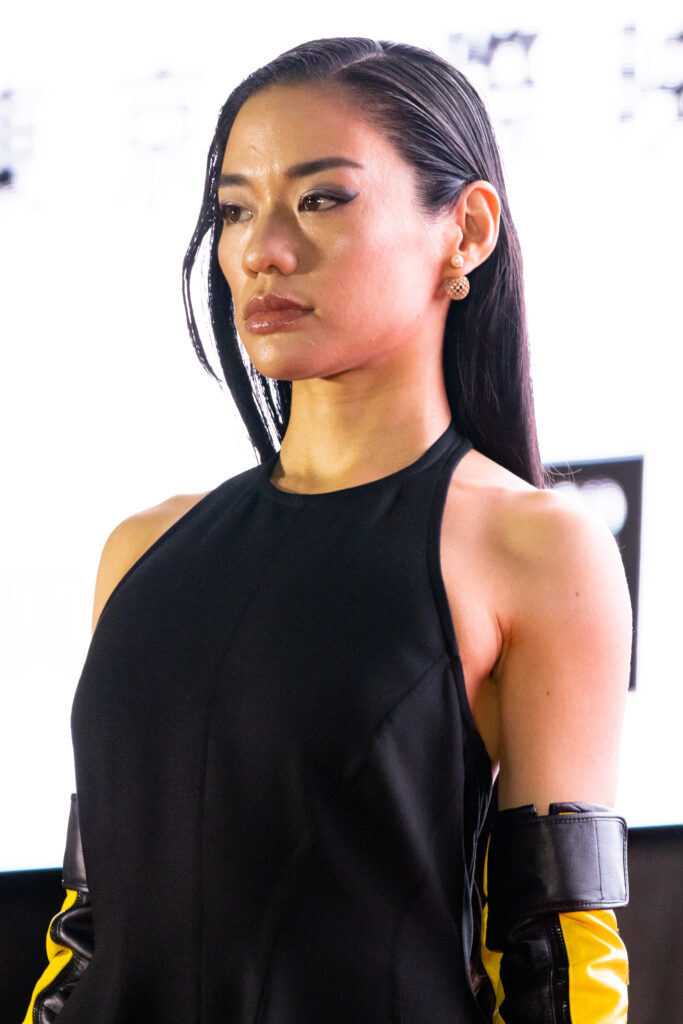
Shibuya remains the epicenter of Tokyo’s commercial hip-hop fashion culture. Club scenes in this district are heavily influenced by luxury streetwear, designer brands, and polished nightlife aesthetics.
Common fashion elements in Shibuya include:
- High-end designer sneakers and limited drops
- Luxury jackets and tailored streetwear fits
- Flashy accessories and statement pieces
- Coordinated outfits designed for club visibility
Artists performing in Shibuya clubs often use fashion as part of their stage identity. The goal is not just to perform music but to present a complete visual experience that fits Tokyo’s high-energy nightlife.
This environment reflects how hip-hop in Shibuya is closely tied to entertainment, branding, and visual impact.
Underground Fashion: Minimalism and Authentic Identity
In contrast, Tokyo’s underground hip-hop scene embraces a more raw and functional fashion approach. In cyphers, basements, and street sessions, clothing is less about status and more about expression and comfort.
Underground fashion trends include:
- Oversized vintage streetwear
- Neutral tones and monochrome outfits
- Reworked thrift clothing and DIY customization
- Functional sneakers and performance-ready fits
This aesthetic reflects the values of the underground scene—authenticity, creativity, and resistance to commercial polish. MCs in cyphers often prioritize movement and comfort over brand visibility.
The underground fashion identity is closely tied to performance culture, where the focus is on lyrical skill rather than visual branding.
The Role of Hip-Hop Artists in Fashion Trends
Tokyo hip-hop artists continue to influence fashion trends across Japan. Even without constant major releases, their visual presence in clubs, social media, and live performances shapes streetwear culture.
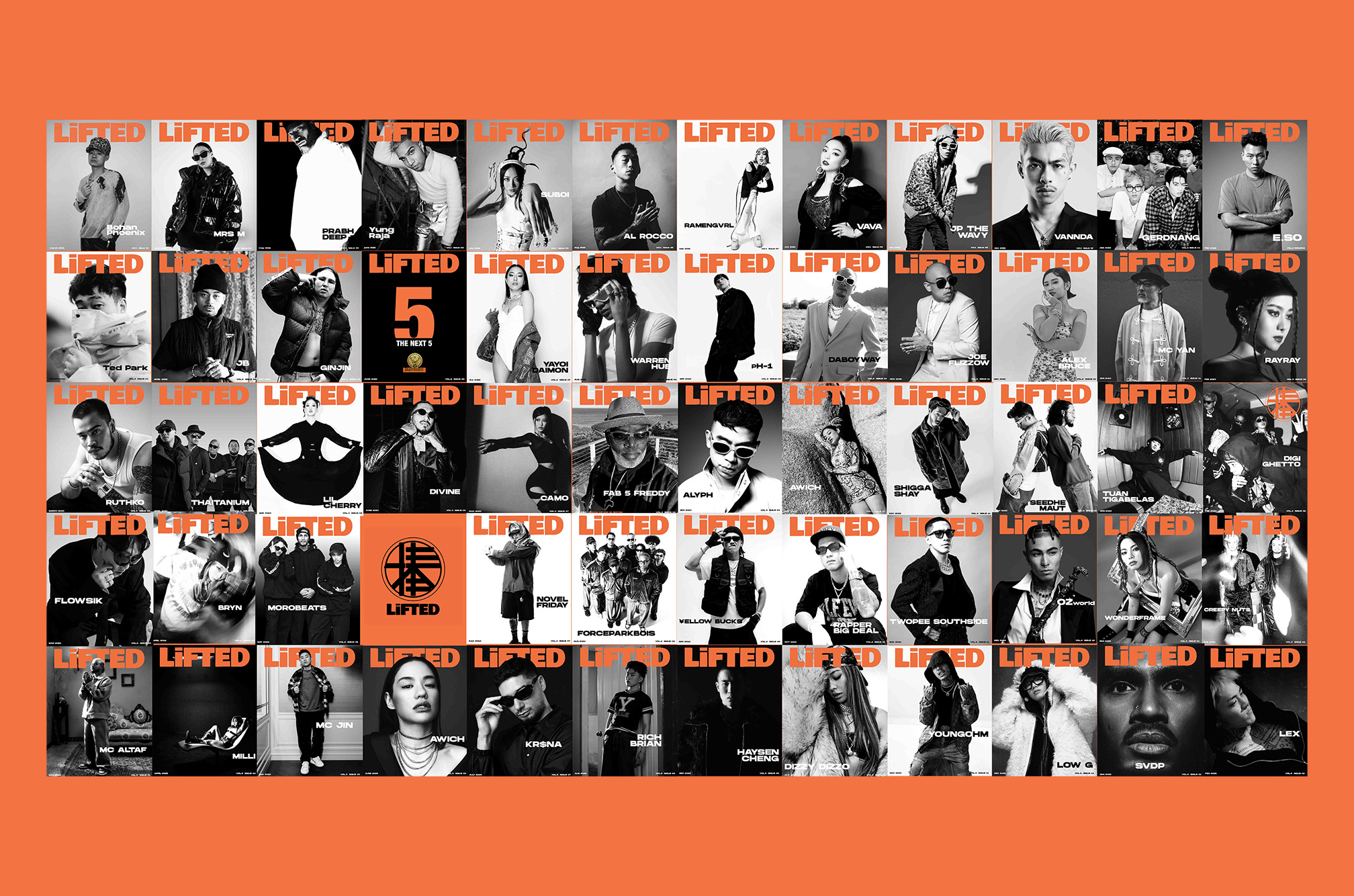
Influential figures like JP THE WAVY are known for blending luxury fashion with hip-hop identity, often appearing in high-end styled outfits that align with global rap aesthetics.
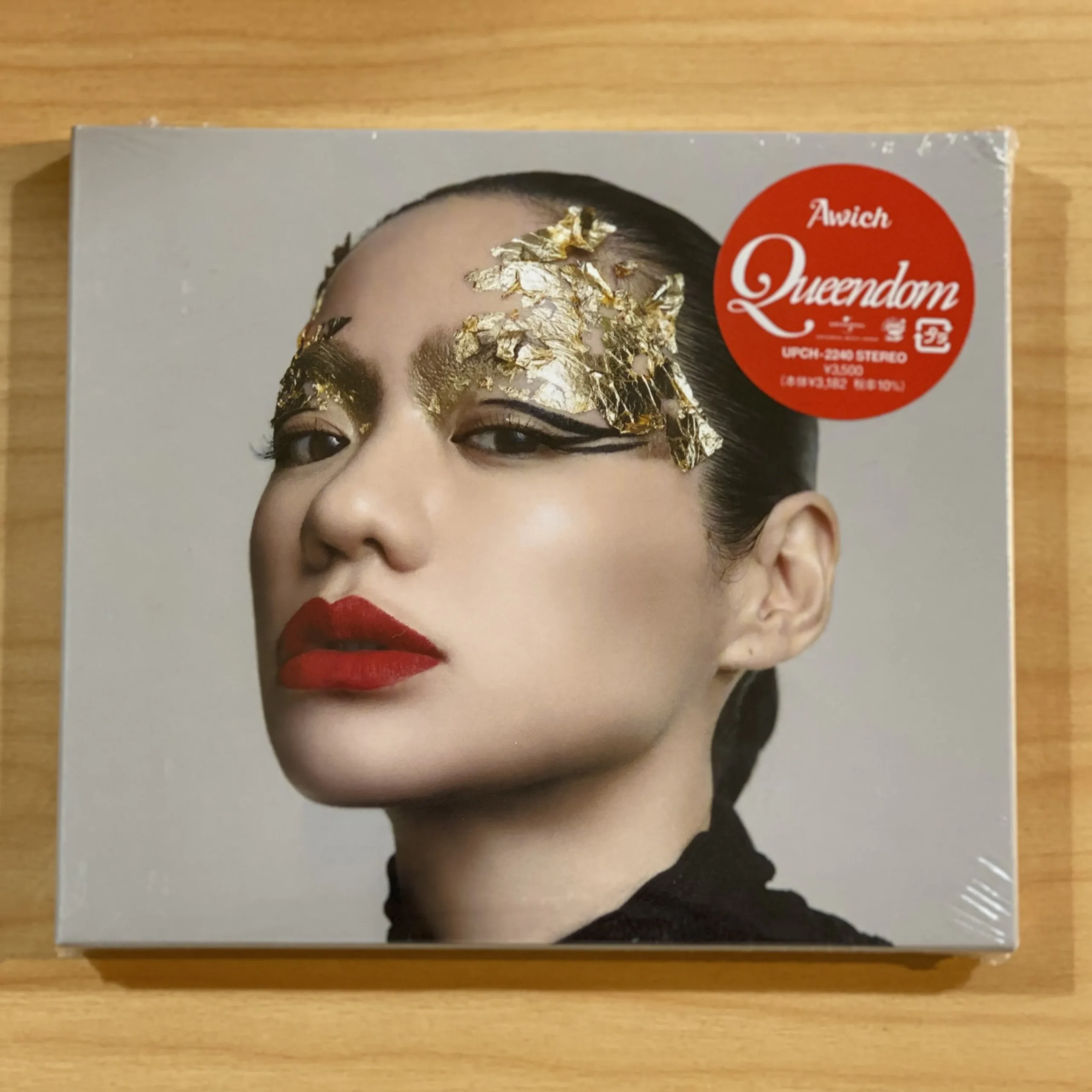
Similarly, Awich brings a strong visual identity that combines cultural depth with modern streetwear expression. Her styling often reflects both empowerment and artistic storytelling.
Even the legacy of KOHH continues to influence Tokyo’s underground fashion mindset. His minimal, raw aesthetic still inspires younger MCs who prefer understated but emotionally expressive style choices.
Club Fashion: Performance-Driven Style
Tokyo club culture adds another layer to hip-hop fashion. In nightlife spaces, outfits are not just personal expression—they are part of the performance.
Club fashion trends include:
- Bold silhouettes designed for stage visibility
- Reflective or neon accents under club lighting
- Layered outfits that shift with movement and dancing
- Statement pieces that stand out in crowded environments
In Shibuya especially, fashion and performance are deeply connected. Artists and attendees both treat clubs as runways where identity is constantly displayed and redefined.
Cyphers and Street Fashion Identity
Cypher spaces in Tokyo show a completely different fashion dynamic. Here, the focus is on freedom of movement and individuality rather than branding.
In freestyle environments, MCs often wear:
- Loose-fitting streetwear for mobility
- Practical sneakers suited for standing battles
- Simple layered outfits that don’t distract from performance
- Accessories that reflect personal identity rather than trends
Fashion in cyphers becomes secondary to lyrical performance, but it still communicates identity. Each MC’s style reflects their artistic approach and personality.
Global Influence on Tokyo Streetwear
Tokyo hip-hop fashion is heavily influenced by global trends, especially from US trap, drill, and European streetwear culture. However, Japan does not simply replicate these styles—it adapts them.
Key global influences include:
- US trap luxury aesthetics
- UK drill dark streetwear styles
- European minimalist high-fashion blending
- Internet-driven fashion trends from social media culture
Tokyo’s unique contribution is refinement. Even the most aggressive or raw styles are often styled with precision and attention to detail.
Final Takeaway
Tokyo hip-hop fashion is a dual system: polished luxury in Shibuya versus raw authenticity in underground spaces. Both sides are essential in shaping the city’s hip-hop identity.
As the scene continues to evolve, fashion will remain a core part of how artists communicate status, creativity, and cultural position. In Tokyo, hip-hop is not just heard—it is seen, worn, and performed.
The next wave of fashion influence will likely come from rising MCs in cyphers, where authenticity continues to shape the future of Tokyo street culture.