
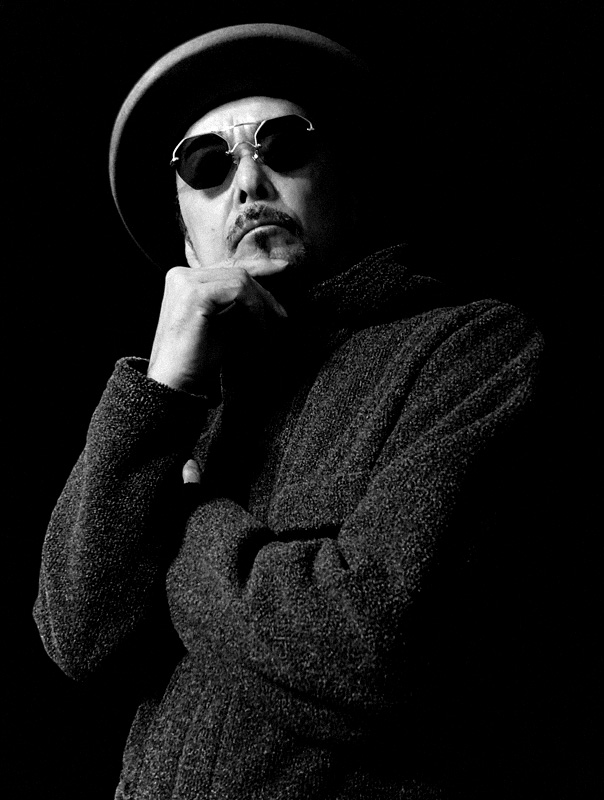

Major Japanese Hip-Hop News Shaping the Culture
The second week of February brought several major developments across the Japanese hip-hop scene. From album announcements and collaborations to industry conversations about the future of the genre, the culture remained active both online and in live venues.
Japanese hip-hop has continued to gain global attention over the past few years, with artists expanding their audiences far beyond Japan. The week highlighted how the scene balances mainstream success with underground creativity, keeping the culture vibrant and constantly evolving.
Below are some of the biggest stories and conversations shaping Japanese hip-hop during the week.
M-Flo Releases New Album and Celebrates 25 Years
One of the biggest headlines in the Japanese hip-hop world came from legendary group M-Flo, who released their tenth studio album Superliminal. The project arrived as part of the group’s 25th anniversary celebration and features a long list of collaborators from across the Japanese music industry.
The album continues the group’s long tradition of blending hip-hop with electronic and pop influences. Over the years, M-Flo has played a major role in shaping Japan’s modern music landscape, often working with artists from multiple genres to create crossover hits.
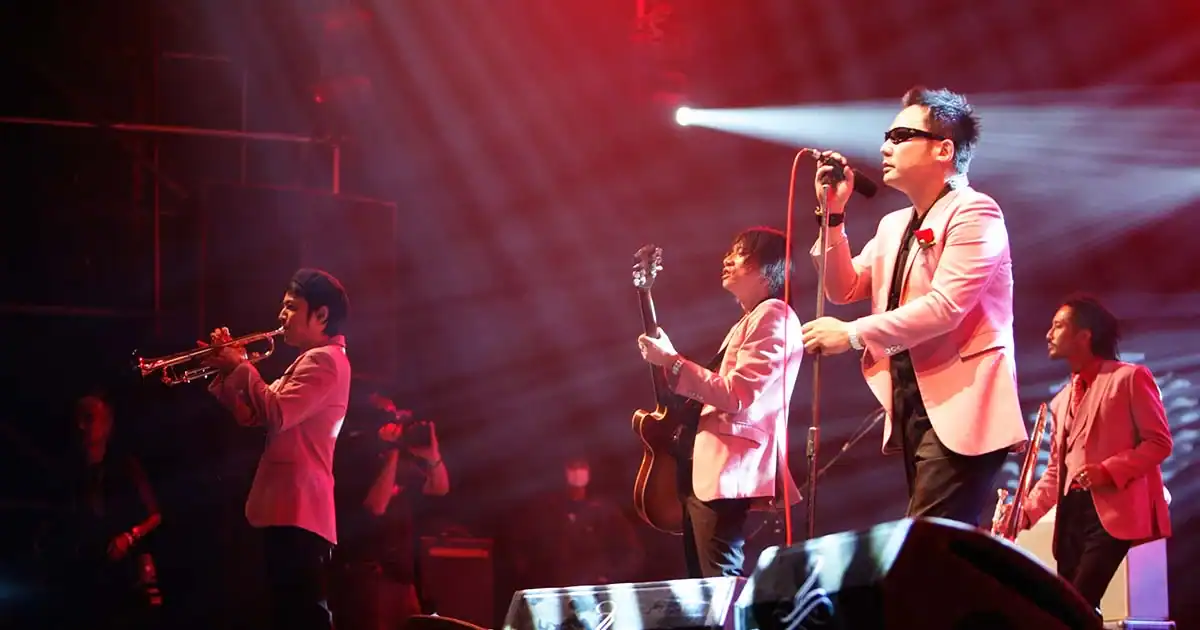
Following the album release, the group held a special anniversary performance in Tokyo to celebrate the milestone. After the show, the members announced plans to pause public performances for a while in order to explore new creative directions.
The announcement quickly became a major topic among fans, many of whom reflected on the group’s influence on Japanese hip-hop culture.
Collaborations Continue to Push Creative Boundaries
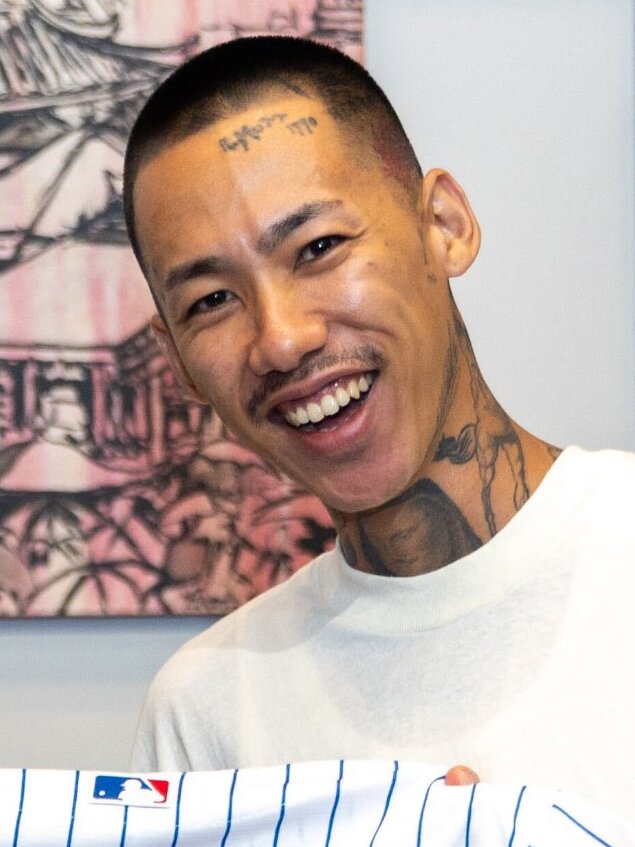
Another notable conversation this week centered around experimental collaborations between artists from different creative fields. A standout example involves rapper JP THE WAVY, who previously collaborated with world-renowned contemporary artist Takashi Murakami on the project MNNK Bro.
Their collaboration produced the track “LV Murakami,” blending hip-hop production with high-fashion visuals and modern art aesthetics.
Projects like this highlight how Japanese hip-hop frequently intersects with fashion, visual art, and pop culture. These collaborations not only expand the creative possibilities of the genre but also help introduce hip-hop to audiences outside the traditional music scene.
For many fans, these cross-industry partnerships represent one of the most exciting aspects of the modern Japanese hip-hop movement.
Festival Announcements Build Anticipation
The week also saw growing excitement around upcoming hip-hop festivals scheduled for later in the year. Large-scale events continue to be a major part of Japan’s music culture, bringing together artists from across the country for massive performances.
One of the most anticipated festivals is POP YOURS, which has quickly become one of Japan’s biggest hip-hop gatherings. The festival has expanded significantly, announcing dozens of artists and transforming into a multi-day event that celebrates the diversity of the scene.
Events like POP YOURS demonstrate how hip-hop has grown from an underground movement into a major force within Japan’s music industry.
Festival lineups typically include both established stars and rising artists, giving fans the opportunity to discover new talent while enjoying performances from their favorite acts.
Live Performances Continue Across Japan
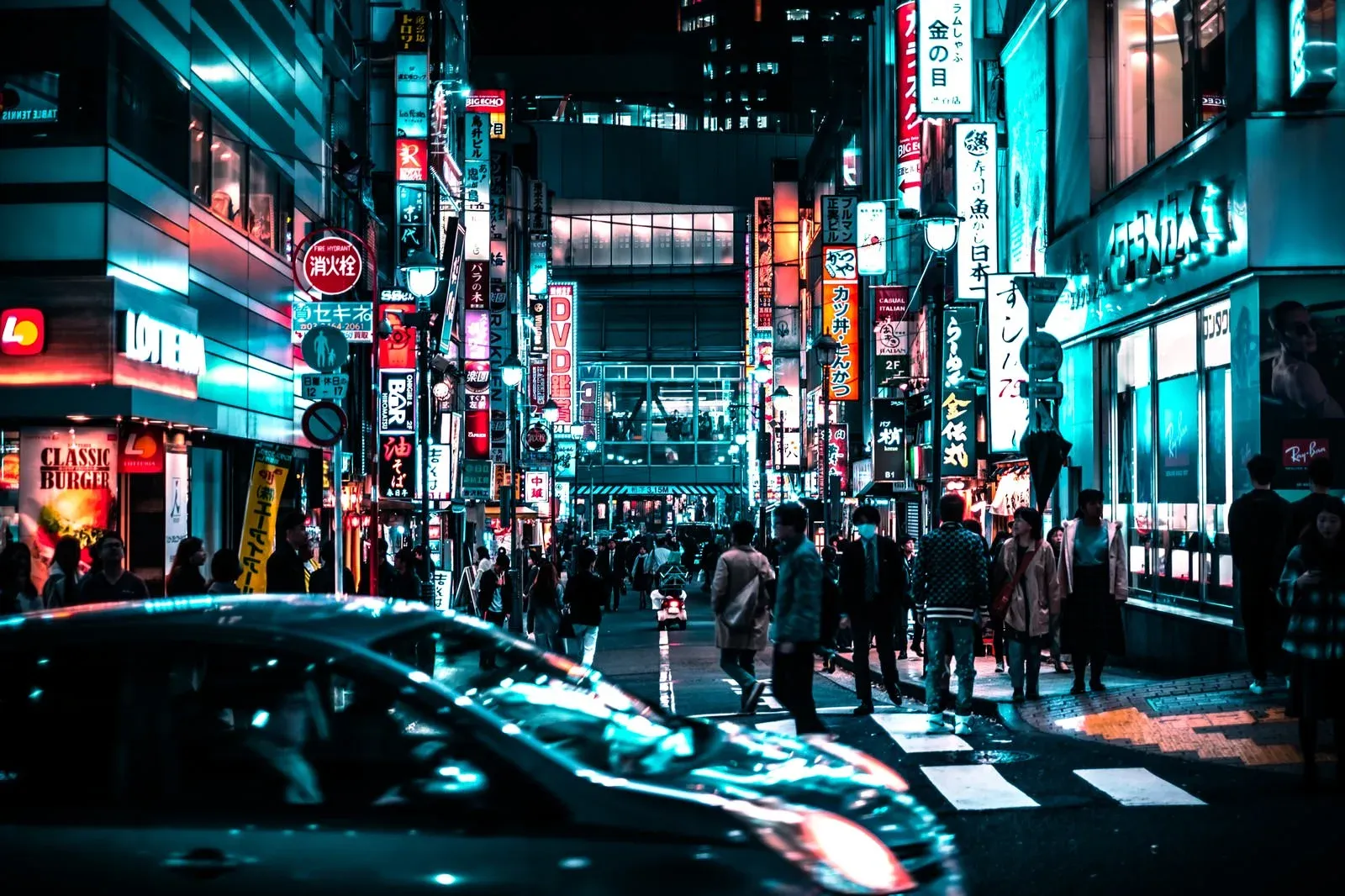
While major festivals generate headlines, smaller concerts and club events remain the foundation of the hip-hop community. Across cities like Tokyo, Osaka, and Yokohama, artists continue performing at venues that support the local scene.
Concert listings during this period included hip-hop performances from various domestic and international artists appearing in Japanese venues. These shows help maintain the connection between artists and fans while also providing opportunities for emerging performers to gain visibility.
Many of these events emphasize freestyle sessions, DJ sets, and collaborative performances, reflecting hip-hop’s roots as a community-driven culture.
Japanese Hip-Hop Continues Expanding Globally
One of the biggest trends in recent years has been the growing global influence of Japanese hip-hop. Artists are increasingly collaborating with musicians from other countries and performing at international festivals.
Industry observers note that Japan remains one of the world’s largest music markets, with a diverse range of genres thriving within its cultural ecosystem.
Within this landscape, hip-hop has become one of the most dynamic and innovative movements, combining local identity with global influences.
This international expansion is helping Japanese artists reach new audiences while strengthening the genre’s presence worldwide.
The Scene Shows No Signs of Slowing Down
The second week of February demonstrated once again that Japanese hip-hop is constantly evolving. From legendary groups celebrating milestones to experimental collaborations and festival announcements, the culture continues to generate momentum.
These developments highlight the unique balance within the scene—where established icons coexist with emerging voices pushing the genre into new territory.
As the year progresses, fans can expect more music releases, performances, and collaborations that continue to shape the future of Japanese hip-hop.