
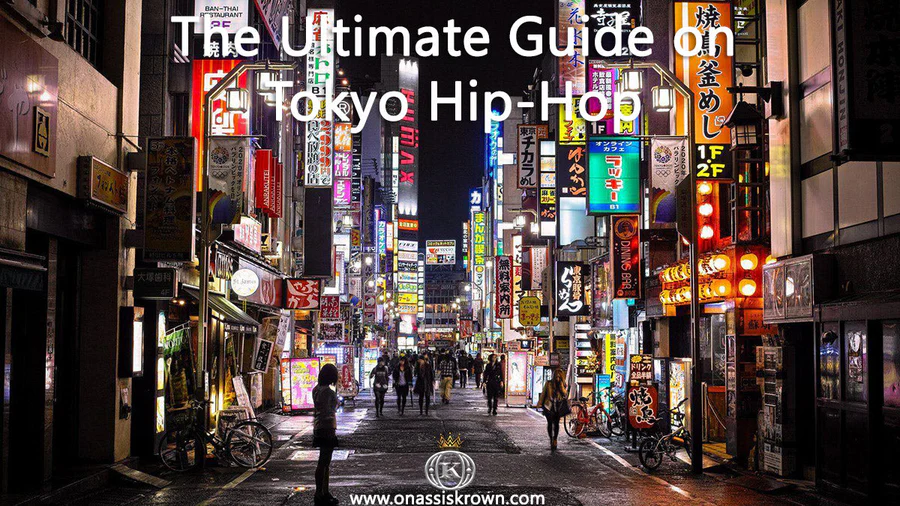
Japanese Hip-Hop Events Keeping the Culture Alive
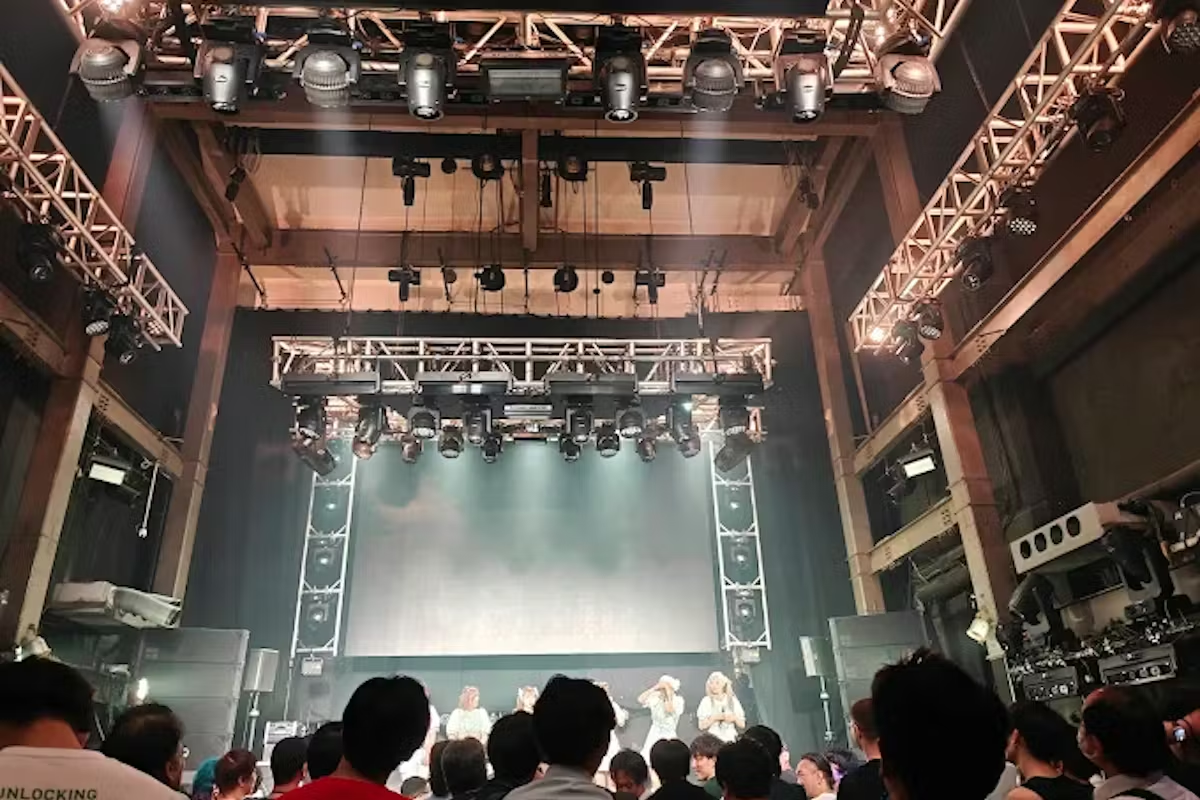
The second week of March brought an exciting lineup of live events that continued to energize the Japanese hip-hop scene. Across major cities like Tokyo, Osaka, and Nagoya, artists took to the stage to connect with fans and celebrate the culture that drives the genre forward. From high-profile performances to underground showcases, the week demonstrated how live events remain one of the most powerful forces in Japanese hip-hop.
These events highlighted not only the music but also the culture surrounding it. Fashion, dance, and visual artistry all played a role in shaping the atmosphere at shows, creating immersive experiences that went beyond simple performances.
Awich Dominates Major Stages
One of the standout performers this week was Awich, who delivered several high-impact performances that drew large crowds. Known for her powerful delivery and stage presence, Awich’s shows combined emotional storytelling with dynamic production.
Her setlists included both recent releases and fan favorites, keeping audiences engaged throughout the performances. Many fans praised her ability to maintain intensity while also connecting with listeners on a personal level. These shows reinforced Awich’s reputation as one of the most commanding live performers in Japanese hip-hop.
¥ellow Bucks Brings Raw Energy to Club Venues
Street-focused performances from ¥ellow Bucks were another highlight of the week. His shows leaned heavily on aggressive beats and crowd interaction, creating an atmosphere that captured the raw spirit of hip-hop.
Fans attending these events described them as intense and energetic, with moments of call-and-response that made audiences feel like part of the performance. These club-based events demonstrate why ¥ellow Bucks remains such a respected figure among fans who value authenticity and strong lyrical delivery.
BAD HOP Influence Still Echoes Through Performances
Even with members focusing on individual projects, the influence of BAD HOP continues to shape live performances throughout the scene. Guest appearances and collaborative moments at events reminded fans of the group’s lasting impact.
Many artists referenced the group’s style and energy during their performances, showing how their legacy continues to inspire both emerging and established rappers. The presence of BAD HOP’s influence reflects the deep cultural footprint they have left on Japanese hip-hop.
Underground Shows Spotlight Rising Talent
Beyond mainstream concerts, underground venues hosted events that showcased emerging artists and experimental sounds. Performers such as Kohjiya and HANA gained attention through intimate performances that allowed fans to experience their music up close.
These smaller venues often encourage creativity, giving artists the freedom to test unreleased material and experiment with new styles. For many fans, these underground events provide a deeper connection to the culture.
DJ Nights Highlight the Importance of Producers
Producer- and DJ-led events also played a major role this week. Beatmakers such as POD and SANROKU hosted sessions where beats and rhythms took center stage.
These gatherings brought together rappers, dancers, and music lovers who appreciate the production side of hip-hop. The events often featured freestyle sessions and spontaneous collaborations, reinforcing the improvisational nature of the culture.
Fashion and Visual Style Shape the Experience
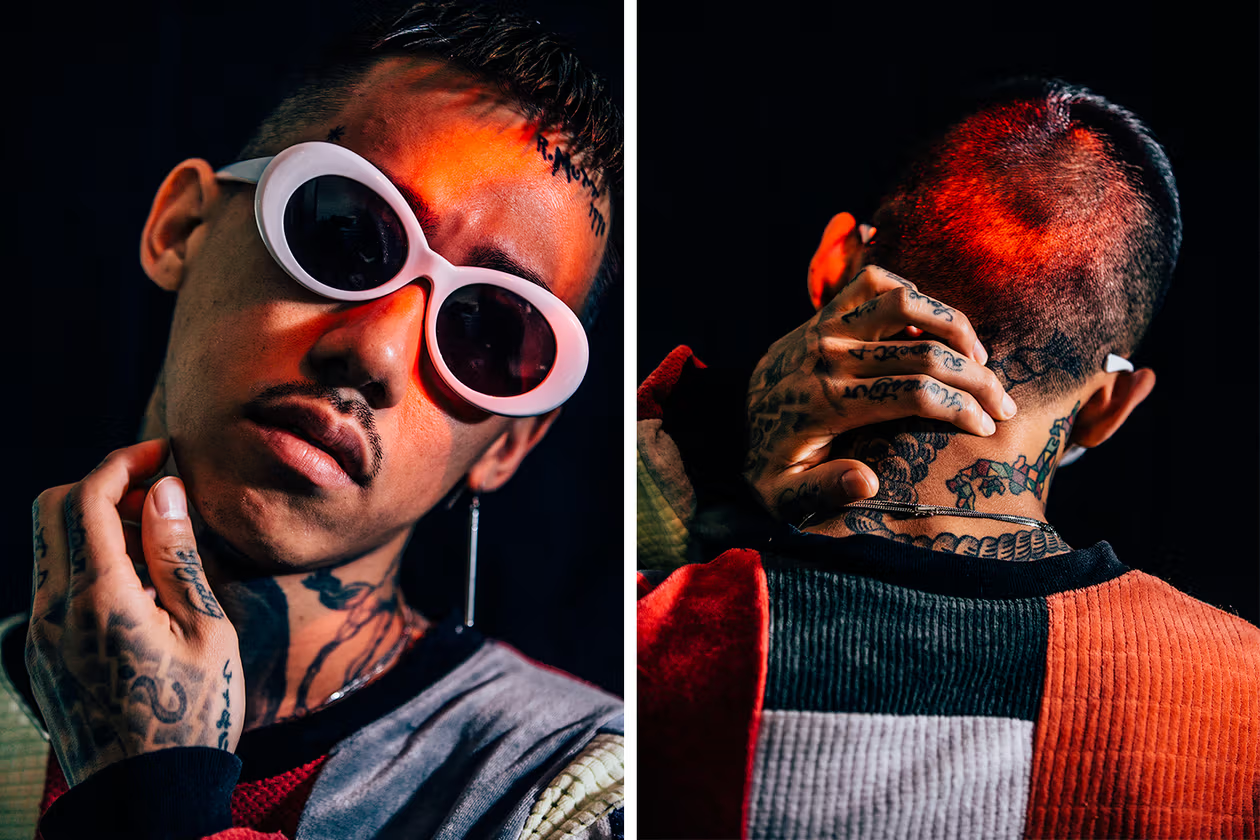
One of the defining features of Japanese hip-hop events is the emphasis on visual identity. Artists and fans alike showcased streetwear fashion, unique hairstyles, and bold stage outfits during performances.
Photographers and fans shared images from the events across social media platforms, turning concerts into cultural moments that extend beyond the venue. The connection between hip-hop and fashion remains strong, with each performance serving as a platform for creative expression.
Community and Collaboration Remain Central
Another key element of this week’s events was collaboration. Guest appearances, shared stages, and spontaneous freestyle sessions created memorable moments that fans will continue to talk about.
These interactions highlight the collaborative spirit that defines hip-hop culture. Rather than competing in isolation, artists frequently support each other by appearing at shows, contributing verses, or joining live performances.
Why These Events Matter
The second week of March demonstrated that live performances remain the heartbeat of Japanese hip-hop. While streaming platforms help artists reach large audiences, live shows create the emotional connections that truly define the culture.
From major performances by established stars to underground showcases featuring emerging talent, these events illustrate the depth and diversity of the scene. As artists continue to bring creativity and passion to the stage, Japanese hip-hop will remain one of the most vibrant music cultures in the region.