

Japanese Hip-Hop Events Bringing Energy to the Culture
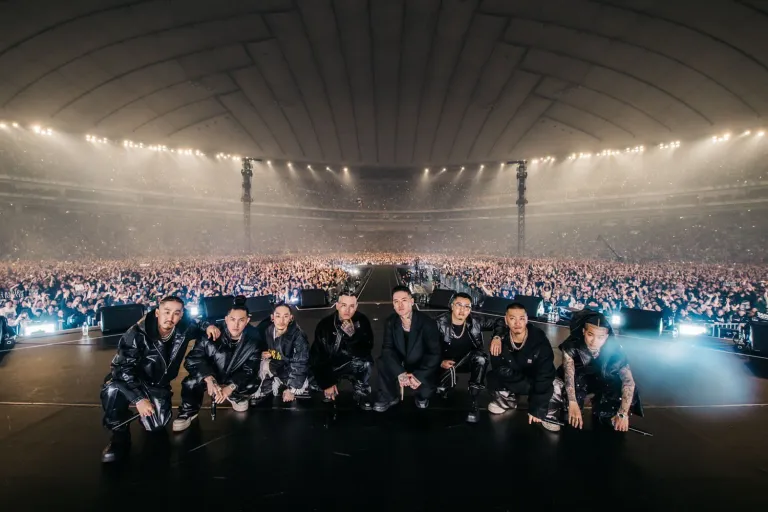
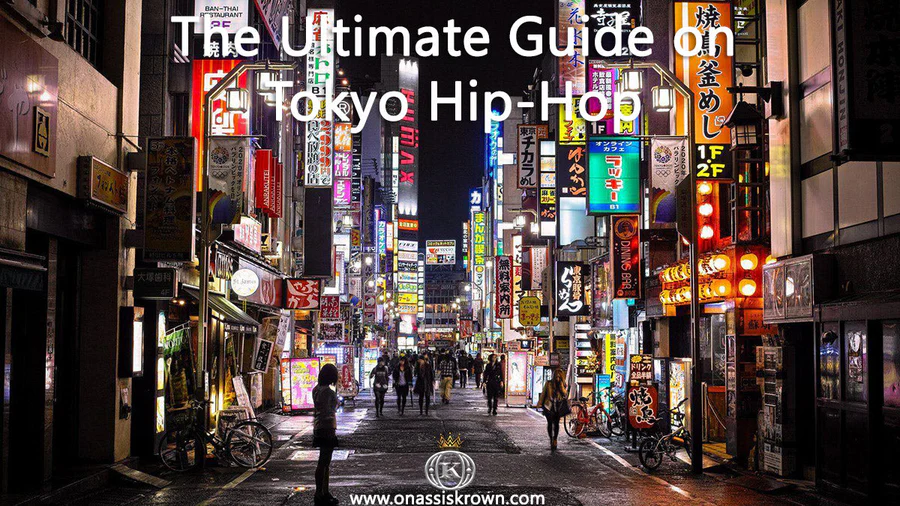
The first week of March delivered a powerful lineup of live events that kept the Japanese hip-hop community energized. From packed concert halls to underground club performances, the week demonstrated how live shows remain essential to the culture. Artists connected with audiences directly, tested new music, and reinforced the community spirit that defines the hip-hop scene in Japan.
These events were not just about music; they also showcased fashion, visual art, and collaborative creativity. Across cities like Tokyo, Osaka, and Yokohama, fans gathered to experience the raw energy that only live hip-hop can deliver.
Awich Leads Major Performances
One of the standout performers this week was Awich, who continued to dominate stages with commanding live performances. Known for her powerful delivery and theatrical stage design, Awich’s shows blended storytelling with high-level production.
Her performances included both fan-favorite tracks and newer material, creating a balanced setlist that kept audiences fully engaged. Fans praised her ability to maintain strong vocal control while interacting with the crowd, proving once again why she is considered one of the most influential figures in Japanese hip-hop.
¥ellow Bucks Brings High-Energy Club Performances
¥ellow Bucks also delivered high-energy shows during the week, focusing on club venues that emphasized direct interaction with fans. His performances featured heavy beats, aggressive flows, and moments where the audience became part of the performance through call-and-response.
These shows captured the raw energy that defines street-focused hip-hop. Many fans described the experience as intense and immersive, reinforcing ¥ellow Bucks’ reputation as an artist who thrives in live environments.
BAD HOP Influence Still Felt on Stage
Even as individual members pursue solo projects, the influence of BAD HOP continues to be visible at live events. Guest appearances, collaborative performances, and fan tributes highlighted the group’s lasting impact on the scene.
Fans attending these shows often referenced the group’s earlier work, proving how their music still shapes the atmosphere of Japanese hip-hop concerts. The collective energy of BAD HOP’s legacy continues to inspire new performers and audiences alike.
Underground Venues Spotlight Emerging Artists
Beyond the mainstream events, underground venues played an important role in showcasing new talent. Artists like Kohjiya and HANA performed at smaller venues where fans could experience music in a more intimate setting.
These shows often featured freestyle segments, unreleased songs, and experimental beats. For many fans, these underground performances offer the most authentic glimpse into the creative energy of Japanese hip-hop.
DJ Nights and Beatmaker Events
Producer-focused events also gained attention this week, highlighting the role of beatmakers in shaping the sound of the culture. Producers such as POD and SANROKU hosted DJ nights and collaborative sessions where beats took center stage.
These events attracted rappers, dancers, and producers who gathered to celebrate rhythm and experimentation. The atmosphere often encouraged spontaneous collaborations, reinforcing the collaborative nature of hip-hop culture.
Fashion and Visual Identity on Display
Live hip-hop events in Japan are as much about style as they are about music. Artists and fans alike used these events to showcase streetwear, bold stage outfits, and unique visual identities.
Photographers and fans shared images from shows across social media, turning performances into cultural moments that extend beyond the venue. This visual element helps reinforce the strong connection between hip-hop and fashion in Japan.
Community and Collaboration Drive the Scene
Another defining feature of this week’s events was collaboration. Guest appearances, shared stages, and spontaneous freestyles created a sense of unity among artists. These moments reminded fans that hip-hop is not only about individual success but also about community and creative exchange.
Many attendees described these collaborations as the highlight of the shows, proving that unexpected moments can leave lasting impressions.
Why These Events Matter
The first week of March demonstrated that Japanese hip-hop thrives in live environments. Artists continue to strengthen their relationships with fans while exploring new creative directions through performance.
From headline shows by established stars to underground showcases of emerging talent, the events of this week highlight the depth and resilience of the culture. As long as artists continue to bring this level of passion and innovation to the stage, Japanese hip-hop will remain one of the most dynamic music movements in the region.