





Major Japanese Hip-Hop Drops Shaping the Scene This Week

Japanese hip-hop continued to push creative boundaries during the third week of February. This week’s releases highlighted a mix of established stars asserting their dominance, emerging artists staking their claim, and genre-blending experiments that reflect the evolution of the scene. From raw street-driven tracks to polished mainstream hits, these drops captured the attention of fans, DJs, and tastemakers alike.
Below is a breakdown of the major drops that defined Japanese hip-hop this week and are shaping the playlists across the country.
Awich Commands Attention With New Track
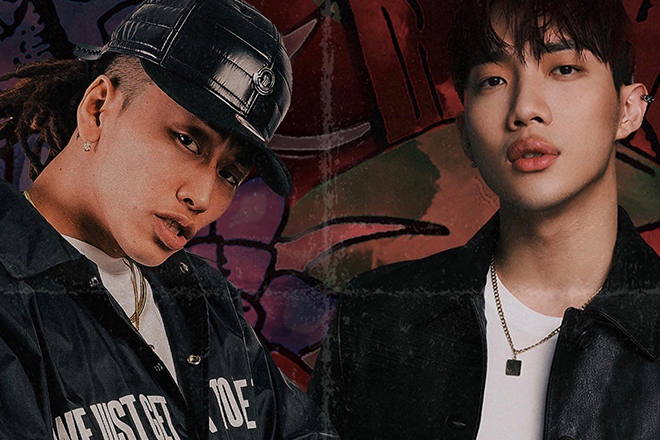
One of the most impactful releases came from Awich, whose latest track blends sharp lyricism with cinematic production. Known for her ability to merge Okinawan roots with modern hip-hop aesthetics, Awich continues to assert herself as one of Japan’s most influential voices.
Fans praised the song for its confident delivery and emotional depth, cementing Awich’s status as both a trendsetter and cultural ambassador for Japanese hip-hop.
¥ellow Bucks Reinforces Street Credibility
¥ellow Bucks released a high-energy track this week that resonated strongly with urban audiences. Featuring aggressive production and punchy lyrical flow, the song reinforces his reputation for authentic storytelling grounded in street culture.
The release quickly became a fan favorite for live performances and social media highlights, proving that ¥ellow Bucks remains a cornerstone of Japan’s hip-hop landscape.
BAD HOP Members Shine With Solo Efforts
Members of BAD HOP kept momentum alive with individual releases this week. Each track reflects the artist’s personal style, ranging from gritty trap-influenced narratives to melodic experimentation, showing the versatility of the group’s alumni.
Listeners noted that these solo drops still maintain the collective energy that originally defined BAD HOP, highlighting how group influence can persist even in independent projects.
Kohjiya Breaks Through With Emotional Storytelling
Rising rapper Kohjiya made waves with a release that focuses on storytelling and introspective themes. Unlike high-energy tracks dominating charts, Kohjiya’s song leaned on personal reflection, emotional honesty, and smooth production.
Fans quickly embraced the track, noting that it shows a new side of Japanese hip-hop: one that balances introspection with urban credibility.
XG Blends Pop Sensibilities With Hip-Hop Energy
Girl group XG delivered a crossover hit that leans heavily on hip-hop rhythms and vocal delivery. The release attracted attention from both pop and hip-hop audiences, demonstrating the genre’s fluid boundaries in Japan.
Their new song’s polished production and catchy hooks illustrate how mainstream acts continue to influence hip-hop trends while retaining cultural relevance.
HANA Delivers Atmospheric and Experimental Sound
HANA released a track with cinematic production and moody instrumentation this week. The song highlights how Japanese hip-hop is increasingly comfortable exploring slower tempos, atmospheric sounds, and experimental structures.
Fans praised the track’s immersive quality, noting it’s perfect for late-night playlists and creative inspiration, showing the scene’s evolving sonic diversity.
POD and SANROKU Release Instrumental Project
Producers POD and SANROKU continued to push Japanese hip-hop forward with an instrumental project that blends complex samples, textured beats, and experimental arrangements.
Although not vocal-driven, the project gained recognition among DJs, producers, and purists, reinforcing that production innovation is a cornerstone of Japanese hip-hop culture.
Why These Drops Matter
This week demonstrated Japanese hip-hop’s versatility and depth. Established artists solidified their influence, rising stars showcased fresh voices, and experimental releases expanded the sonic boundaries of the genre. Fans saw both commercial polish and raw street credibility, showing that Japan’s hip-hop scene is dynamic, layered, and forward-looking.
From storytelling to experimental production and crossover hits, the Week 3 drops prove that Japanese hip-hop is self-defining, culturally rich, and continuously evolving.