
Major Happenings and Juice Shaking Japanese Hip-Hop This Week
The Japanese hip-hop scene stayed active and conversation-heavy during the second week of February, even outside of music drops. From artist statements and industry debates to live-show conversations and cultural shifts, the week proved that hip-hop in Japan is not just about releases, but about movement, identity, and evolution.
While fans kept streaming new music, social timelines and underground circles were equally focused on what artists were saying, how venues were reacting, and where the culture might be heading next.
Veteran Voices Spark Conversation Across the Scene
One of the most discussed moments came from Hannya, a long-respected figure in Japanese hip-hop. His public comments about stepping into a new phase of life and artistry ignited debate across the community. While not framed as a retirement, many fans interpreted it as a symbolic transition.
This sparked broader conversations about longevity in Japanese hip-hop. Listeners debated how veteran artists should evolve, whether stepping back is necessary, and how legacy rappers continue influencing younger generations even when they reduce output.
The “Big Venue” Debate Heats Up Again
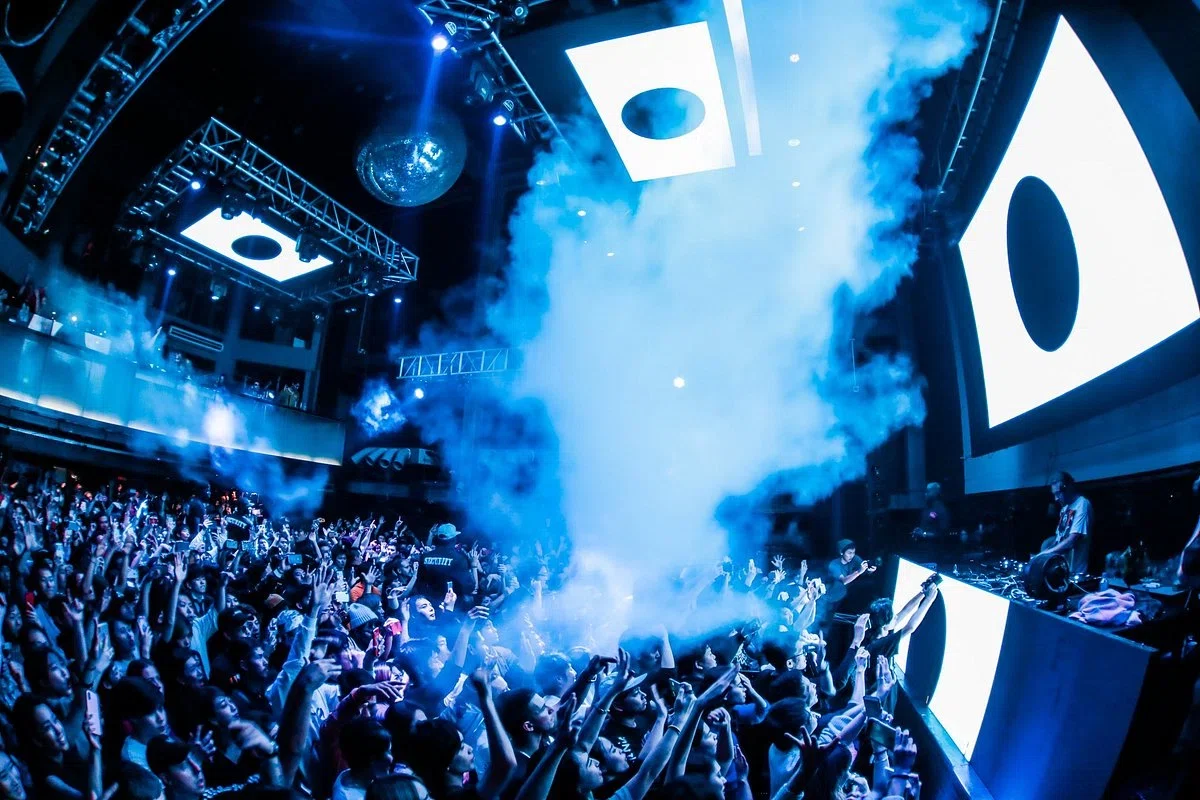
Another hot topic revolved around large performance venues and artist expectations. Discussions intensified around whether hip-hop shows truly benefit from massive halls or if intimacy is being lost in the process. Much of the debate referenced challenges artists face when booking venues like Zepp locations across Japan.
Although no single artist dominated this discussion, ¥ellow Bucks remained a recurring name in fan conversations. The talk centered on ticket pricing, crowd engagement, and whether commercial growth is distancing hip-hop from its grassroots feel.
For many fans, the issue highlighted a growing tension between success and authenticity within Japan’s rap ecosystem.
@onefive’s Ambitions Stir Mixed Reactions
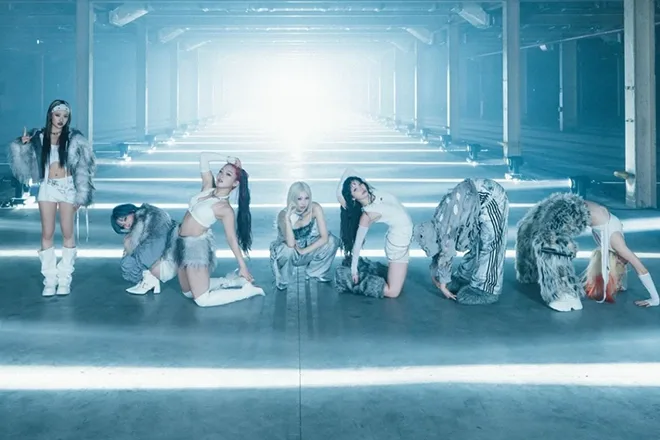
The ongoing “Road to Budokan” campaign from @onefive continued to spark discussion during the week. While some fans celebrated the ambition and visibility of the project, others questioned how far pop-leaning acts should be grouped within hip-hop conversations.
Despite the debate, the attention itself demonstrated how hip-hop influence has expanded into mainstream spaces. Whether praised or critiqued, the group remained part of the cultural conversation, showing how blurred genre lines are shaping modern Japanese urban music.
Underground Artists Gain Quiet Respect
Away from mainstream debate, underground rappers and producers quietly gained respect through live appearances and word-of-mouth praise. Smaller venue performances in Tokyo, Osaka, and Kyoto continued to be shared online, reminding fans that the core of Japanese hip-hop still lives in intimate settings.
Producers and DJs were especially vocal about the importance of beat culture, reinforcing that hip-hop’s foundation remains strong even as industry pressures grow.
Fashion, Identity, and Visual Culture Take Center Stage
Fashion once again played a major role in hip-hop discussions this week. Artists posting studio shots, performance fits, and behind-the-scenes visuals sparked conversations about style as an extension of sound. Japanese hip-hop continues to stand out globally for its attention to visual storytelling.
This week reinforced the idea that image, design, and mood are no longer secondary. For many fans, visuals are now as important as lyrics in defining an artist’s impact.
Online Spaces Drive the Culture Forward
Social media remained a powerful engine for conversation. Fans debated authenticity, reposted live clips, and speculated about upcoming collaborations. Even without official announcements, rumors and subtle hints from artists kept timelines active.
Rather than relying solely on traditional media, Japanese hip-hop thrives through fan-driven discussion, reaction clips, and community pages that shape narratives in real time.
Why This Week Mattered
The second week of February showed Japanese hip-hop in a reflective but active phase. Artists questioned growth, fans debated direction, and the culture continued to expand across music, fashion, and live performance.
Rather than explosive drama, the Juice this week came from conversation — about where the scene has been and where it’s going. These moments matter because they reveal a culture confident enough to question itself while still pushing forward.
Japanese hip-hop remains alive, layered, and deeply connected to its community — and this week proved that the story is far from finished.