
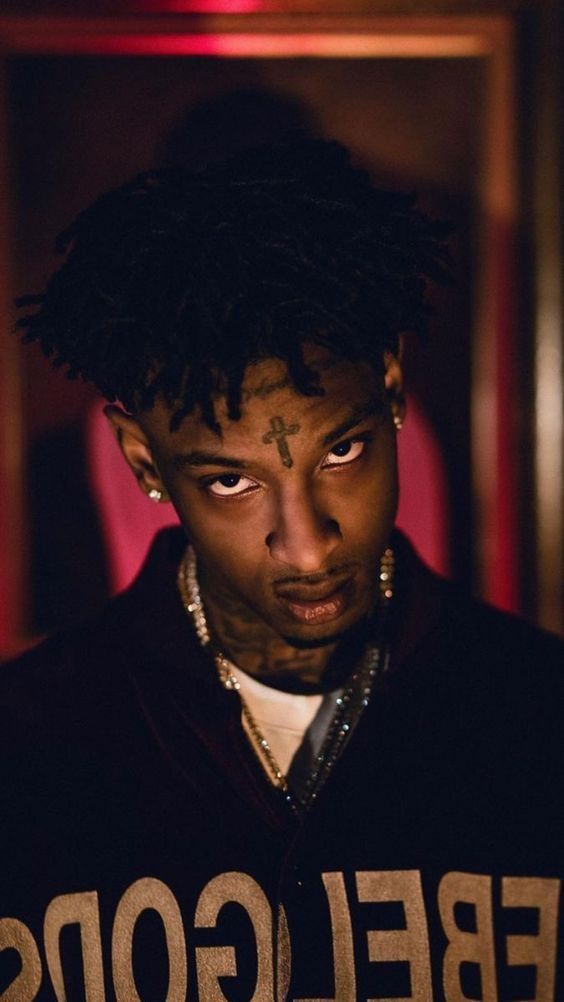




THE SUCCESSOR MAJ HIP HOP TRIBUTE Celebrates 40 Years of Japanese Hip-Hop

Few music genres have experienced the kind of transformation and cultural impact that hip-hop has achieved in Japan over the last four decades. What began as an imported movement inspired by American rap, breakdancing, DJ culture, and graffiti has evolved into a uniquely Japanese form of expression with its own stars, sounds, and identity. That remarkable journey was recently honored at THE SUCCESSOR MAJ HIP HOP TRIBUTE, a major event in Tokyo that celebrated 40 years of Japanese hip-hop culture.
The gathering brought together legendary artists, influential DJs, producers, industry figures, and rising talent for a tribute that recognized both the history and future of Japanese rap. More than just a concert, the event served as a cultural milestone, highlighting how hip-hop has become one of Japan’s most influential musical and artistic movements.
As Japanese rap continues attracting international attention, THE SUCCESSOR MAJ HIP HOP TRIBUTE offered a powerful reminder of the people and moments that helped shape the country’s thriving hip-hop scene.
A Celebration of Four Decades of Growth
The significance of celebrating 40 years of Japanese hip-hop cannot be overstated.
When hip-hop first arrived in Japan during the early 1980s, few could have predicted the impact it would eventually have on music, fashion, art, and youth culture. Early exposure came through imported records, movies, breakdancing performances, and cultural exchanges that introduced Japanese audiences to a movement that was rapidly expanding across the world.
At first, hip-hop existed largely as an underground culture embraced by small communities of dancers, DJs, and music enthusiasts. Over time, however, local artists began adapting the genre to reflect Japanese experiences and perspectives.
The result was the emergence of a distinctly Japanese hip-hop identity—one that respected the culture’s origins while developing its own voice.
THE SUCCESSOR MAJ HIP HOP TRIBUTE celebrated this evolution, honoring every era that contributed to the scene’s development.
Honoring the Pioneers
A major focus of the event was recognizing the pioneers who helped establish hip-hop in Japan during its earliest years.
Before Japanese rap became a mainstream force, a dedicated group of artists and cultural leaders worked tirelessly to introduce the genre to local audiences. These individuals organized events, imported records, created independent labels, and built communities around hip-hop culture.
Without their efforts, the thriving scene that exists today might never have developed.
The tribute paid respect to those foundational figures by highlighting their contributions and acknowledging their role in shaping Japanese music history.
For many attendees, seeing veteran artists celebrated alongside newer stars was one of the most meaningful aspects of the event.
Their stories served as a reminder that every successful movement is built upon the work of those who came before.
More Than Music
One of the key themes throughout the celebration was the recognition that hip-hop is much more than rap music.
From its earliest days, hip-hop has consisted of multiple artistic elements working together to create a broader culture. The event honored not only MCs but also DJs, breakdancers, graffiti artists, producers, photographers, and other creative contributors.
This comprehensive approach reflected the true spirit of hip-hop.
Throughout the decades, Japanese artists have embraced all aspects of the culture, creating vibrant communities that extend far beyond music alone.
Fashion, visual art, dance, and street culture have all played essential roles in the growth of Japanese hip-hop. By celebrating these elements, THE SUCCESSOR MAJ HIP HOP TRIBUTE acknowledged the full scope of the culture’s influence.
Bridging Generations
Perhaps the most powerful aspect of the event was its ability to bring together multiple generations of hip-hop artists.
Veterans who helped build the scene shared space with contemporary stars and emerging talent, creating a rare opportunity for cultural exchange.
The event’s title, “The Successor,” reflected this idea perfectly.
Hip-hop survives and evolves because each generation passes its knowledge, values, and creative energy to the next. The event showcased that process in action, highlighting the connections between the pioneers of the past and the artists shaping the future.
Younger performers had the opportunity to honor those who paved the way for them, while longtime artists witnessed firsthand how their influence continues to inspire new voices.
The result was a celebration that felt both nostalgic and forward-looking.
The Rise of Japanese Rap
Over the years, Japanese rap has grown from a niche underground movement into one of the country’s most influential music genres.
The 1990s marked a turning point as local artists began gaining wider recognition. Rappers started experimenting with Japanese-language lyricism, developing flows and storytelling techniques that resonated with domestic audiences.
By the early 2000s, hip-hop had become firmly established within Japan’s music industry.
Independent labels flourished, rap magazines gained popularity, and live events attracted increasingly large crowds. Artists from different regions developed their own styles, helping diversify the genre even further.
Today, Japanese rap enjoys mainstream visibility while maintaining strong underground roots. The scene continues producing artists capable of achieving commercial success without abandoning the culture that helped shape them.
Tokyo’s Role as a Cultural Capital
The location of THE SUCCESSOR MAJ HIP HOP TRIBUTE was particularly fitting.
Tokyo has long served as the heart of Japanese hip-hop culture. The city’s clubs, venues, record stores, and creative communities have played a crucial role in the genre’s development.
Many of Japan’s most influential rap movements originated in Tokyo, and the city remains a central gathering place for artists, fans, and industry professionals.
Major festivals, showcases, and cultural events continue to take place in the capital, reinforcing its importance within the broader hip-hop landscape.
The tribute further strengthened Tokyo’s reputation as a city where the past, present, and future of Japanese rap can come together.
Japanese Hip-Hop’s Global Expansion
One reason the event attracted significant attention is the growing international interest in Japanese hip-hop.
Streaming platforms have transformed how music is discovered around the world. Fans no longer need physical access to records or local radio stations to explore new artists.
As a result, listeners from North America, Europe, Africa, and other parts of Asia are increasingly discovering Japanese rap.
Social media has accelerated this trend, allowing artists to connect directly with audiences worldwide. Viral performances, music videos, and collaborations have introduced Japanese hip-hop to entirely new demographics.
The global rise of Asian music has also contributed to increased curiosity about Japan’s rap scene.
THE SUCCESSOR MAJ HIP HOP TRIBUTE highlighted the fact that Japanese hip-hop is no longer viewed solely through a domestic lens. It has become part of a larger international conversation about the future of global rap culture.
Spotlighting the Next Generation
While honoring history was a major focus, the event also looked toward the future.
Emerging artists were given opportunities to showcase their talent, demonstrating the creativity and innovation currently driving Japanese rap forward.
Today’s younger generation is experimenting with a wide range of styles, including trap, drill, melodic rap, electronic influences, and genre-blending production techniques.
Rather than simply replicating the sounds of previous eras, many new artists are creating entirely fresh approaches to hip-hop.
This willingness to evolve has become one of the defining strengths of the Japanese scene.
The inclusion of rising talent ensured that the celebration remained relevant not only as a tribute to the past but also as a statement about the future.
A Symbol of Hip-Hop’s Enduring Power
Events like THE SUCCESSOR MAJ HIP HOP TRIBUTE demonstrate why hip-hop continues to thrive after four decades in Japan.
The culture has survived because it constantly adapts while remaining connected to its roots. Each generation contributes new ideas while preserving the values that made hip-hop meaningful in the first place.
Creativity, self-expression, community, and authenticity remain central to the culture’s identity.
The tribute showcased these principles through performances, storytelling, and cultural reflection, creating an experience that resonated with artists and fans alike.
Looking Ahead
As Japanese hip-hop enters its fifth decade, the future appears brighter than ever.
The genre continues attracting new audiences, producing innovative artists, and expanding its influence both domestically and internationally. Major festivals continue growing, independent scenes remain active, and global interest shows no signs of slowing down.
THE SUCCESSOR MAJ HIP HOP TRIBUTE served as a celebration of everything Japanese hip-hop has accomplished while also signaling what comes next.
By honoring pioneers, embracing current stars, and supporting emerging talent, the event captured the essence of a culture that has spent forty years evolving, inspiring, and breaking boundaries.
For fans of Japanese rap, the celebration was more than a tribute—it was proof that the culture’s most exciting chapters may still lie ahead.