


Dark Beats, Sharp Bars: The Rise of Japanese Drill and Trap

Japanese hip-hop is entering a colder, heavier chapter, and drill and trap are at the center of it. Between Tokyo’s neon-lit streets and Osaka’s raw energy, a new sound is forming—minimal, aggressive, and emotionally controlled. This isn’t a copy of Chicago, London, or Atlanta. It’s Japan reshaping global sounds into something precise and deeply local.
During this period, Japanese drill and trap continued to gain momentum, proving that the movement is no longer underground curiosity—it’s a defining force in modern Japanese hip-hop.
How Drill and Trap Took Root in Japan
Drill and trap reached Japan through the internet first. Streaming platforms, music videos, and global playlists exposed Japanese artists to darker beats and harder rhythms. But instead of copying the violence or chaos often associated with drill elsewhere, Japanese rappers adapted the sound to fit their realities.
The result is music that feels tense rather than explosive. Lyrics focus on ambition, pressure, isolation, survival, and identity in a highly structured society. The aggression is internal. The mood is controlled. That restraint is what makes Japanese drill and trap hit differently.
Tokyo’s Cold, Calculated Sound
Tokyo’s drill and trap scene leans toward atmosphere. Beats are stripped down, bass-heavy, and haunting. Producers leave space between sounds, allowing silence to carry weight. This creates a cinematic feeling—perfect for late-night listening.
Artists like Tohji, Jin Dogg, and ¥ellow Bucks have helped shape this sound. Their delivery is often calm, almost emotionless, which contrasts sharply with the darkness of the beats. That contrast makes the music feel colder, sharper, and more intentional.
Tokyo drill doesn’t shout. It stares.
Osaka’s Grit and Hunger
If Tokyo is controlled, Osaka is raw. Trap music from Osaka carries more urgency and emotional weight. Rappers are louder, more direct, and less polished—and that’s the appeal.
Osaka artists often rap about coming from nothing, pushing against expectations, and carving space in a society that values conformity. Trap becomes a weapon for self-expression and rebellion. The beats are harder, the flows more aggressive, and the stories more confrontational.
This contrast between Tokyo and Osaka adds depth to Japanese drill and trap, proving the movement isn’t one-dimensional.
Language, Flow, and Innovation
One of the most unique aspects of Japanese drill is how language shapes rhythm. Japanese syllables don’t sit on beats the same way English does, forcing rappers to invent new flows and timing.
Slang, regional dialects, and code-switching between Japanese and English give tracks a global feel while staying authentic. Even listeners who don’t understand the words can feel the tension, confidence, and emotion through delivery alone.
In Japanese drill and trap, voice becomes an instrument.
Producers Driving the Movement
Behind every hard track is a producer pushing boundaries. Japanese drill and trap producers experiment heavily with distorted 808s, off-kilter hi-hats, industrial sounds, and eerie melodies.
Anime soundtracks, electronic music, and ambient textures influence many beats, creating a futuristic feel. These producers aren’t chasing trends—they’re designing soundscapes. Many tracks feel closer to film scores than traditional hip-hop instrumentals.
This production style is one of the biggest reasons Japanese drill is catching international attention.
Visuals: Minimal, Dark, and Intentional
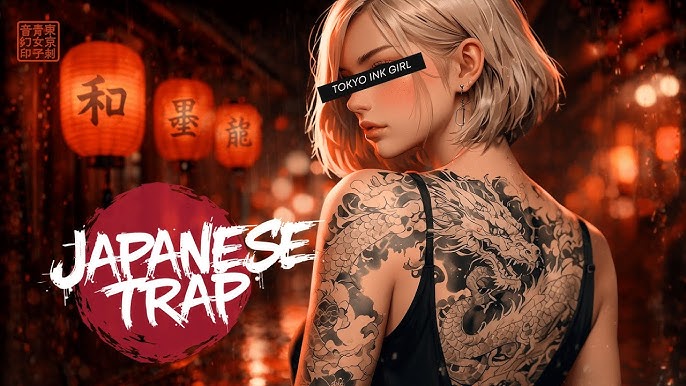
The visuals match the sound. Music videos favor empty streets, concrete backdrops, brutalist architecture, and night-time cityscapes. Colors are muted—black, gray, and cold neon tones dominate.
Fashion plays a major role too. Oversized fits, tactical looks, and luxury-meets-underground aesthetics reinforce themes of control and isolation. There’s less flashy flexing and more presence.
Japanese drill visuals don’t beg for attention. They command it.
Online Platforms Fueling Growth
Social media and streaming platforms continue to push the movement forward. Short video clips, underground visuals, and raw performances often outperform polished mainstream content.
Artists build loyal fanbases without radio play or major-label backing. This digital-first approach allows drill and trap artists to move fast, experiment freely, and connect directly with listeners who crave something darker and more honest.
Why This Wave Matters
Japanese drill and trap represent a shift in expression. For many young artists, this music provides space to express pressure, frustration, and ambition that don’t always fit into everyday life.
It’s not about glorifying chaos. It’s about control, discipline, and survival.
As global listeners continue to discover this sound, Japanese drill and trap are positioned to influence the next evolution of hip-hop—not by being loud, but by being intentional.
Dark. Minimal. Forward-thinking.