


From Tokyo to the World: How Japan Hip-Hop Is Winning Global Collabs

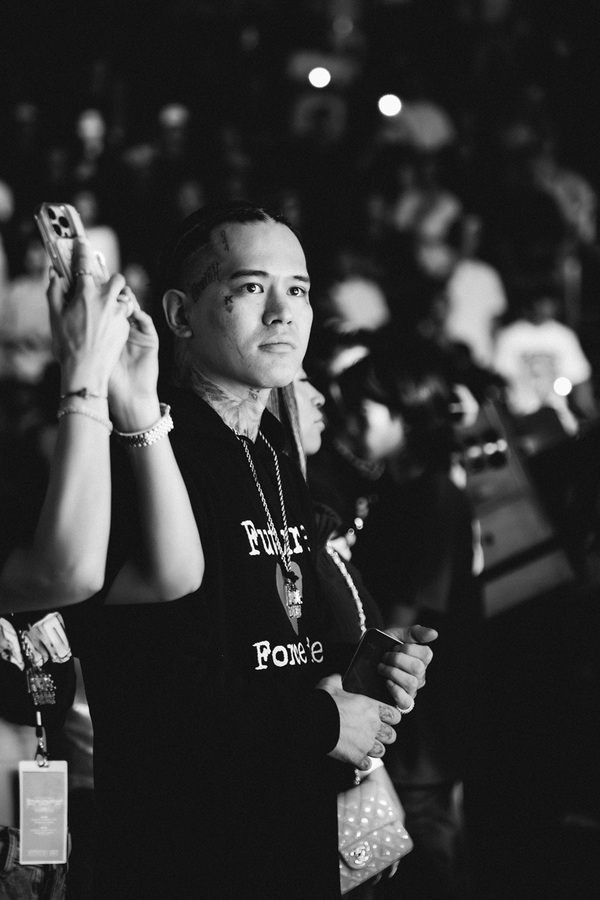
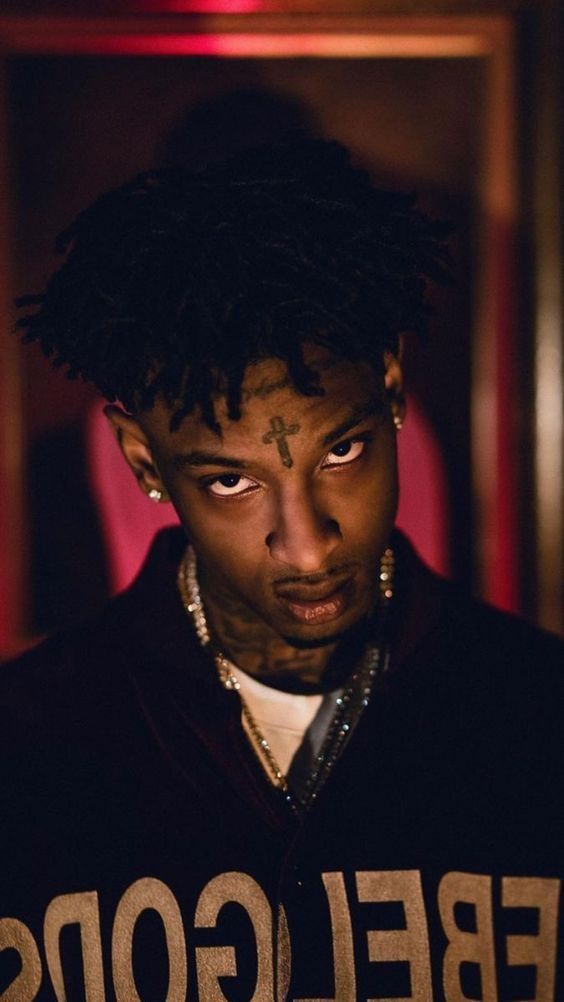
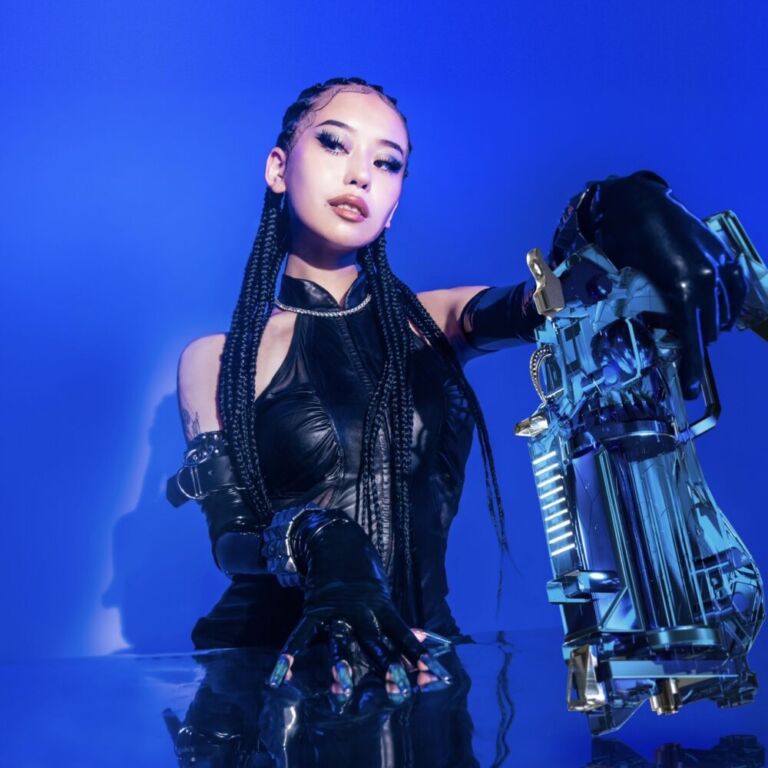
Japanese hip-hop is no longer a hidden gem—it’s a global collaborator. Right now, artists from Tokyo, Osaka, and Yokohama are linking with musicians across the US, Europe, and beyond, creating cross-cultural records that feel intentional, not forced. This isn’t Japan chasing validation. It’s Japan showing up as an equal.
The global era of hip-hop has arrived, and Japan is fully plugged in.
Why the World Is Paying Attention
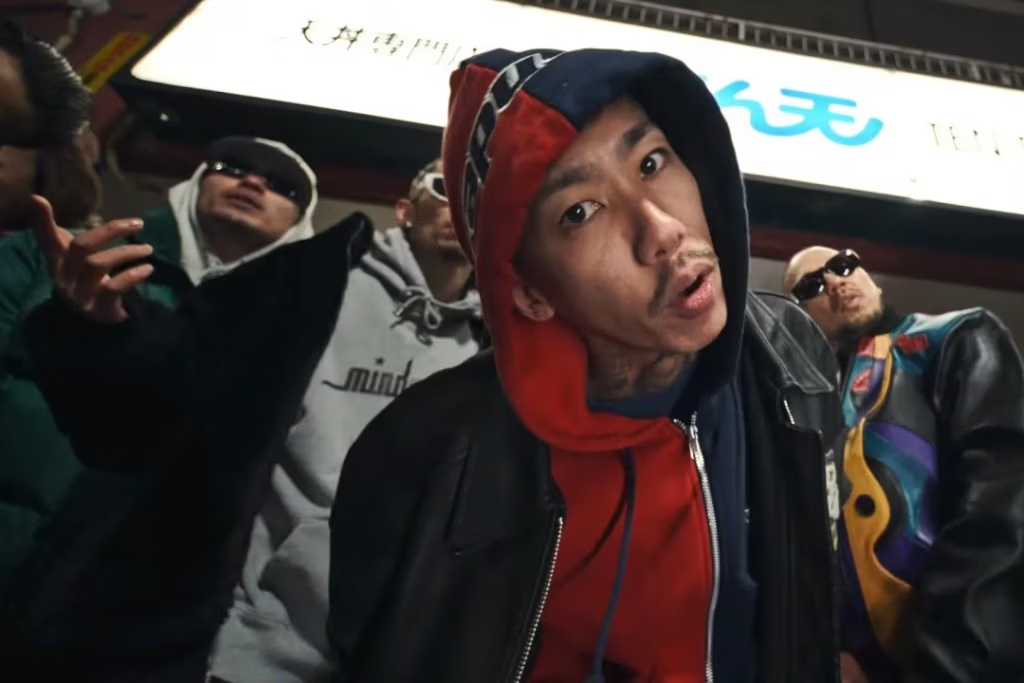
Japanese hip-hop stands out because it offers something different. Clean production, disciplined lyricism, and striking visuals make it easy for international audiences to connect—even across language barriers. Add fashion-forward aesthetics and high-level branding, and you get artists who translate globally without losing identity.
International artists don’t collaborate with Japan for novelty anymore. They collaborate for quality.
US & Japan: Mutual Respect, Not Trend-Chasing
Connections between Japanese and American hip-hop have been growing quietly for years. What’s changed is balance. Today’s collaborations feel like conversations, not cosigns.
Artists like Awich working with US rappers, producers, and DJs highlight how Japanese hip-hop can sit comfortably next to American sounds while still sounding distinctly local. Boom-bap, trap, and experimental beats become shared ground rather than borrowed territory.
The respect comes from craft.
Europe’s Influence & Japan’s Precision
European producers—especially from the UK, France, and Germany—have found natural chemistry with Japanese rappers. UK drill rhythms, electronic textures, and minimalist sound design blend seamlessly with Japan’s controlled delivery style.
These collaborations often feel futuristic. Less ego. More atmosphere. The result is music that fits global playlists without sacrificing authenticity.
Language Isn’t a Barrier Anymore
One of the biggest shifts is how language is perceived. Fans no longer need full translation to connect. Flow, emotion, and energy do the work.
Japanese rappers lean into this by treating vocals as instruments—using tone, rhythm, and cadence to communicate mood. English verses, Japanese hooks, and bilingual bars appear naturally, not as gimmicks.
Hip-hop has always been about feeling first. Japan understands that.
Festivals, Tours & Cultural Exchange
International festivals have also played a role. Japanese hip-hop artists appearing on global stages expose new audiences to the scene in real time. Likewise, international artists performing in Tokyo experience a fanbase that listens closely, supports deeply, and respects the art.
These moments create lasting creative relationships—not just one-off records.
Visuals That Speak Worldwide
Japanese hip-hop visuals travel extremely well. Clean direction, cinematic lighting, and fashion-conscious styling give music videos global appeal. Even without subtitles, the story is clear.
This visual fluency makes Japan an attractive partner for international artists who care about presentation as much as sound.
Independent but International
A key reason Japanese hip-hop thrives globally is independence. Many artists operate outside major-label systems, giving them freedom to collaborate without restrictions. That flexibility allows organic partnerships rather than label-arranged features.
Independence keeps the culture honest.
What This Means for the Future
Global collaborations are no longer a side quest for Japanese hip-hop—they’re part of the foundation. As borders blur and digital platforms grow, Japan is positioned to influence the next phase of global hip-hop culture.
Not by being loud.
By being precise.
Japan isn’t trying to lead the world.
The world is meeting Japan halfway.