
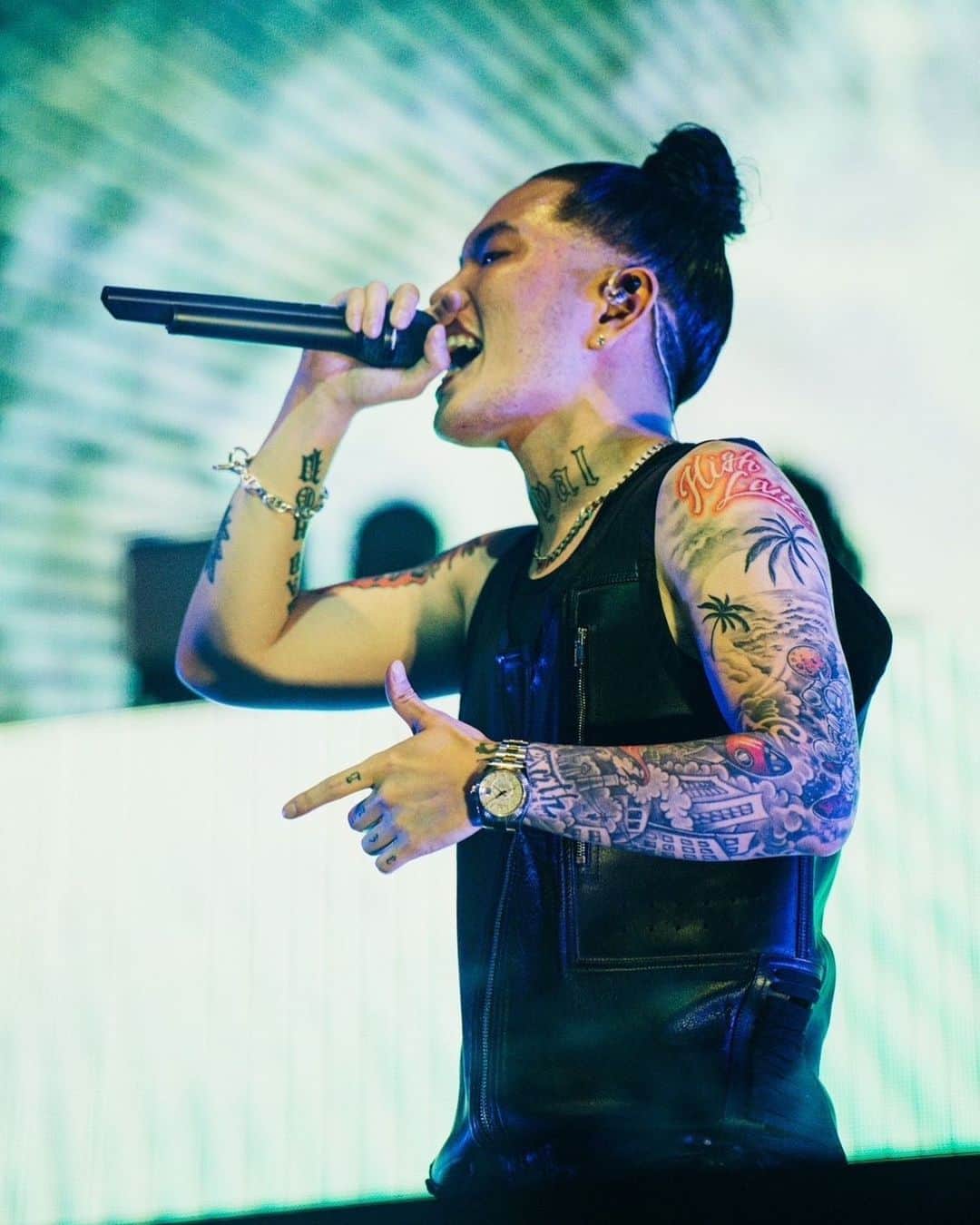
Tokyo Hip-Hop Kicks Off the Year with Fresh Energy
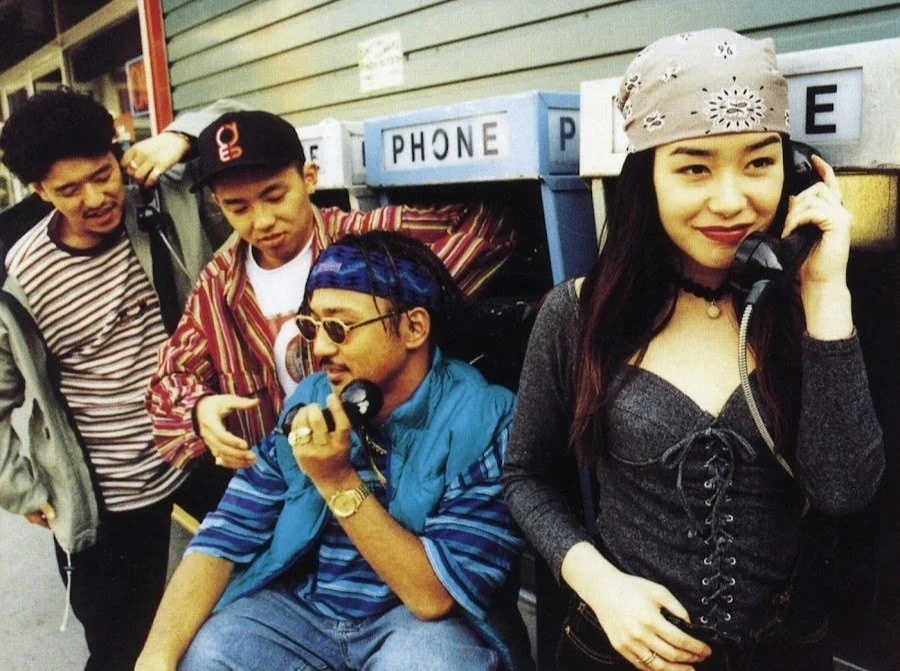
The Tokyo hip-hop scene started 2026 with a bang, proving once again why Japanese hip-hop continues to make waves across Asia and beyond. From underground cyphers in Shibuya to live shows in Shinjuku, the first week of January was packed with performances, new releases, and artist collaborations that set the tone for the year.
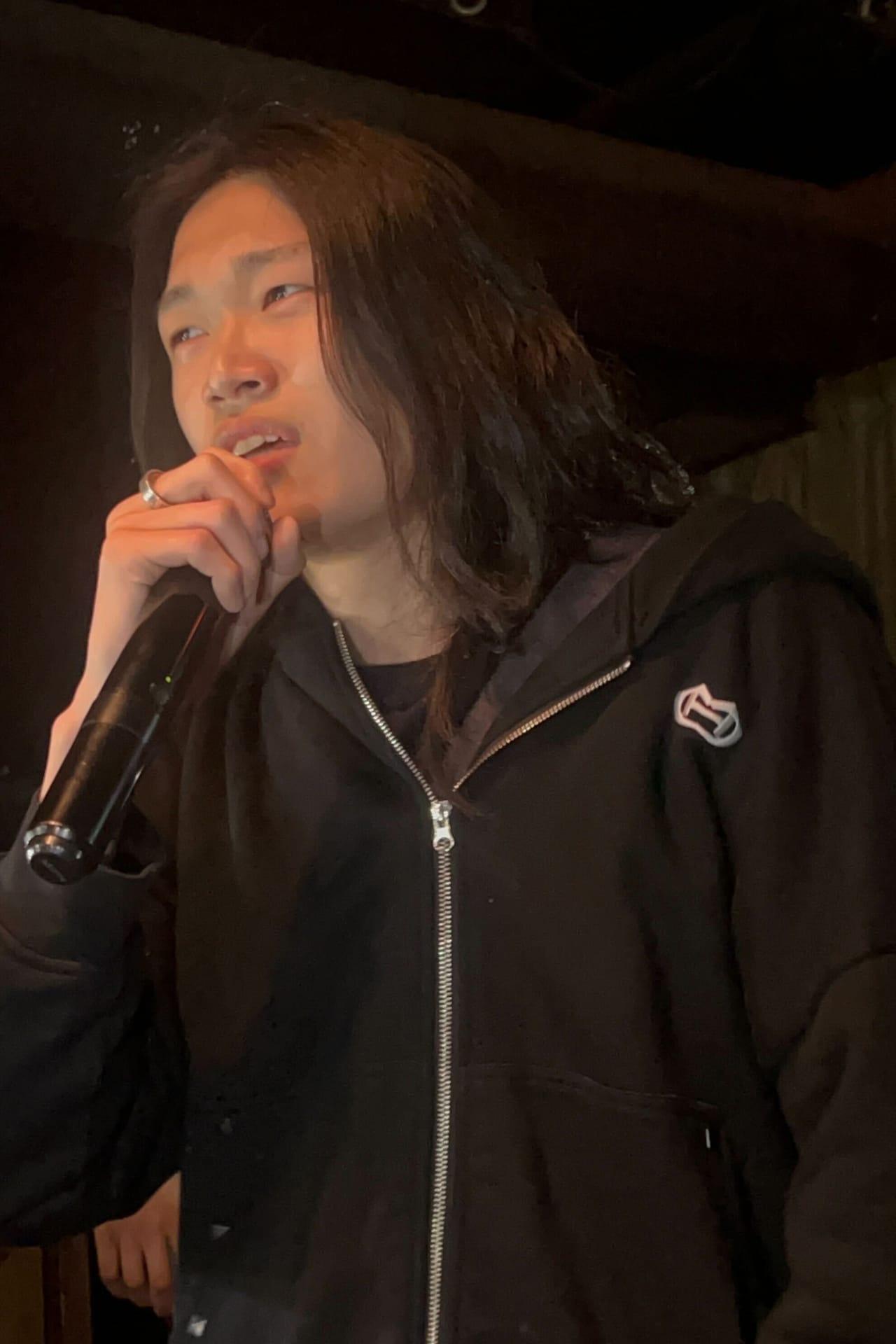
One of the standout moments came from MC Kaito, whose intimate performance at a hidden Shibuya venue drew a crowd of dedicated fans. Known for blending traditional Japanese rhythms with modern trap beats, Kaito’s set highlighted the city’s ability to merge culture with innovation. Fans noted that tracks from his latest EP resonated with themes of urban struggle, ambition, and self-reflection—a hallmark of the city’s evolving hip-hop identity.
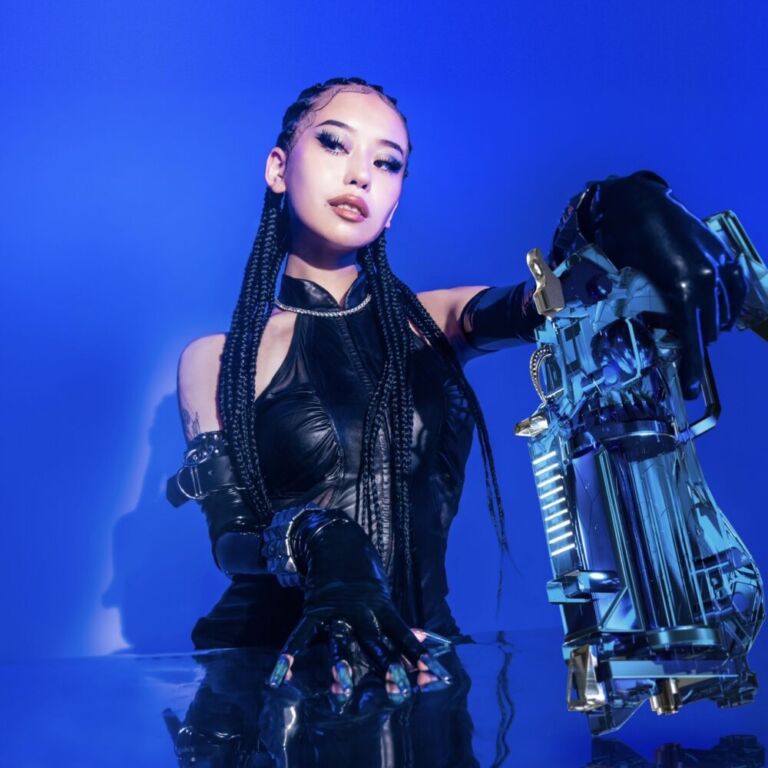
Meanwhile, emerging artist Rina Soul made waves on social media with her fiery freestyle sessions at a local street corner in Harajuku. Her verses, laced with Japanese slang and clever punchlines, quickly went viral, giving her a boost in Tokyo’s competitive hip-hop landscape. Social media buzz and street credibility often collide in Tokyo, and Rina Soul is proving she can navigate both worlds with style.
The first week of January also saw a surge in collaborative releases. Veteran producer DJ Masaki teamed up with rapper Taro Flex for a remix that fused boom-bap with modern lo-fi influences. Their track, released exclusively on Japanese streaming platforms, instantly climbed Tokyo hip-hop charts. Fans praised the song’s nostalgic yet fresh feel, pointing out how it bridges the gap between older and newer generations of Japanese hip-hop enthusiasts.
In addition to live performances and releases, Tokyo hip-hop also embraced community-driven initiatives. Events promoting local hip-hop culture, including dance battles and graffiti showcases, provided young creatives with platforms to express themselves. A notable highlight was the Shinjuku Dance Jam, where crews from all over the city showcased their skills, reinforcing Tokyo’s reputation as a hub for both lyrical and physical expression.
Lyrically, Japanese hip-hop continues to explore themes beyond party tracks. Artists are increasingly addressing social issues, personal growth, and identity. In the first week of January, several new singles emphasized introspection and resilience, reflecting how Tokyo’s scene is evolving in both depth and diversity. Fans are responding positively, embracing content that’s both entertaining and thought-provoking.
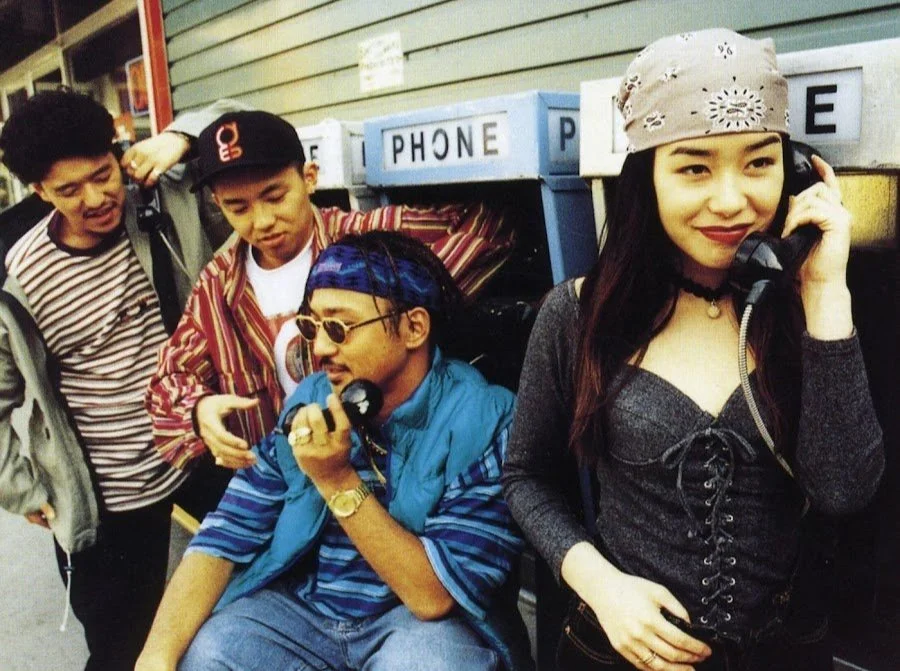
Tokyo’s hip-hop nightlife also got a boost this week. Clubs like Womb and Vision hosted rap showcases featuring both local and international DJs. The fusion of live performances with electronic beats is a growing trend in Tokyo, allowing hip-hop to reach audiences that traditionally gravitate toward EDM and house music. This blending of genres is helping Japanese hip-hop carve a distinct space in the global music landscape.
Looking forward, the energy from the first week of January hints at a year full of exciting developments. From underground mixtapes to high-profile collaborations, Tokyo hip-hop is proving its resilience and creativity. For fans of Japanese hip-hop culture, this is just the beginning of a promising year filled with innovative sounds, powerful lyrics, and unforgettable performances.
Conclusion
Tokyo hip-hop started 2026 by showcasing its versatility, talent, and cultural depth. With new releases, standout performances, and thriving community events, the city continues to be a critical hub for both local and global hip-hop enthusiasts. Whether you’re following Tokyo hip-hop online or catching live shows in Shibuya, the scene is alive, evolving, and impossible to ignore.
Slug: tokyo-hip-hop-january-2026
Meta Description: Dive into Tokyo hip-hop’s first week of January 2026, featuring performances, releases, and rising Japanese hip-hop stars.
Tags: Tokyo hip-hop, Japanese hip-hop, Tokyo music, hip-hop culture, J-rap, urban music, Tokyo artists, street culture