
Behind the Scenes: How Japanese Hip-Hop Media Shapes the Underground Scene
Japanese hip-hop has always thrived in the spaces between mainstream visibility and underground passion. While the global scene often shines its spotlight on chart-topping artists and viral hits, Japan’s underground rap ecosystem relies heavily on a unique engine: media coverage that isn’t always obvious but is incredibly influential. From fan blogs to independent YouTube channels, Japanese hip-hop media has quietly shaped the sound, style, and direction of the scene, creating a platform for artists who might otherwise remain unheard.
The Power of Fan-Driven Blogs
In a country where the mainstream music industry often favors polished pop or idol acts, independent blogs like saassaaa-jrap.com have become lifelines for underground talent. These blogs are curated by passionate fans who live and breathe hip-hop culture. They don’t chase clicks or ad revenue—they chase authenticity. By posting detailed reviews of mixtapes, sharing obscure tracks, and covering live shows that rarely hit mainstream news, these platforms give artists a voice and a platform.
For example, when an emerging producer like HAIIRO DE ROSSI drops a limited-release track, mainstream outlets may overlook it. Yet fan blogs immediately spotlight it, breaking down production techniques, lyrical depth, and cultural significance. These posts not only introduce artists to new audiences but also create discussion within the community, effectively guiding the scene’s collective taste.
YouTube Channels and Social Media as Amplifiers
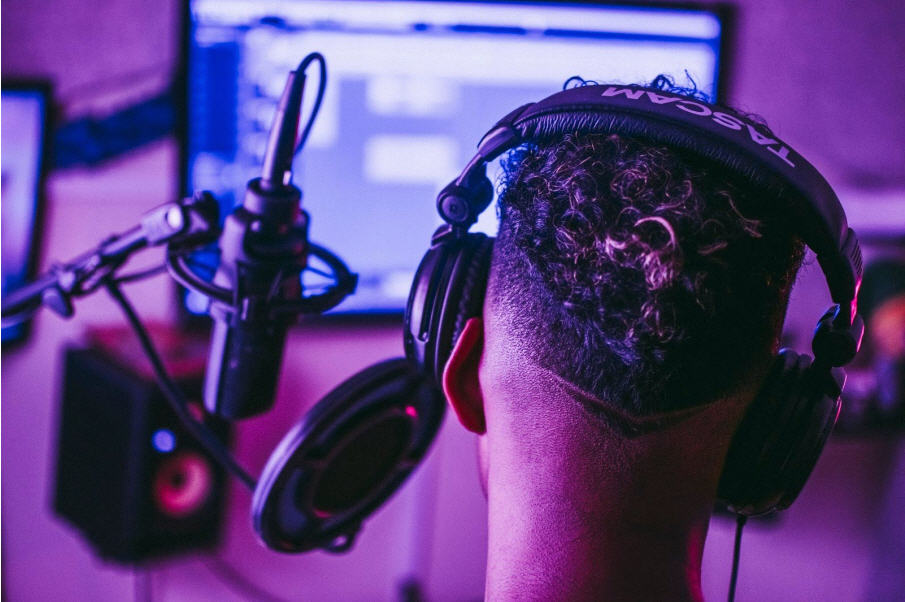
It’s not just written media shaping underground hip-hop—it’s visual content, too. Channels dedicated to Japanese rap interviews, music video breakdowns, and street performance coverage have become essential. Channels like Real Japanese Hip Hop Media provide behind-the-scenes glimpses of studio sessions, live shows, and collaborative projects, often capturing the energy and ethos of underground culture in ways that text alone cannot.

Social media platforms amplify this impact further. Instagram, TikTok, and X (formerly Twitter) are full of micro-communities where fans share snippets of unreleased tracks, announce underground gigs, and celebrate DIY music culture. Even small-scale coverage can create ripple effects: a 30-second clip shared by a popular fan page can introduce a new artist to thousands of listeners overnight.
Creating Trends, Not Just Following Them
The influence of Japanese hip-hop media isn’t reactive—it’s proactive. Many underground trends in Japan, from specific flow styles to fashion statements tied to street culture, emerge from what these platforms choose to highlight. Blogs and channels often spotlight experimental sounds, encouraging artists to innovate rather than conform to mainstream formulas.
For instance, a recent focus on alternative beats and jazz-infused rap tracks in blogs has pushed producers to experiment beyond trap-heavy arrangements. Similarly, coverage of streetwear collaborations within these channels encourages visual aesthetics to merge seamlessly with musical identity, solidifying the cultural impact of underground hip-hop.

Building Community Through Storytelling
What makes Japanese hip-hop media uniquely powerful is its ability to build community. Articles, videos, and posts don’t just share music—they tell stories. They contextualize artists’ backgrounds, struggles, and inspirations, fostering a sense of connection between fans and creators. Unlike purely commercial outlets, these platforms nurture a sense of belonging and participation. Readers and viewers feel like stakeholders in the scene, not just passive consumers.
The Future of Underground Influence
As Japanese hip-hop continues to grow, media will remain a critical driver of underground success. Platforms like HIPHOPCs, alongside smaller blogs and independent YouTube channels, act as curators and gatekeepers, filtering the noise and giving voice to the most compelling talent. Without them, many of the country’s most innovative artists would struggle to find their audience.
For fans and creators alike, understanding the role of media in shaping the underground scene is essential. It’s more than promotion—it’s a culture in itself, a collaborative ecosystem where passion, storytelling, and curation determine which voices are heard. The next time a new underground hit surfaces in Japan, chances are it’s been championed first by these unsung media heroes, quietly shaping the scene from behind the scenes.